Tag Archives: Science Books

REVIEWS: BEST SCIENCE BOOKS OF 2025 (NATURE)

NATURE MAGAZINE (June 20, 2025): The best books in science in 2025
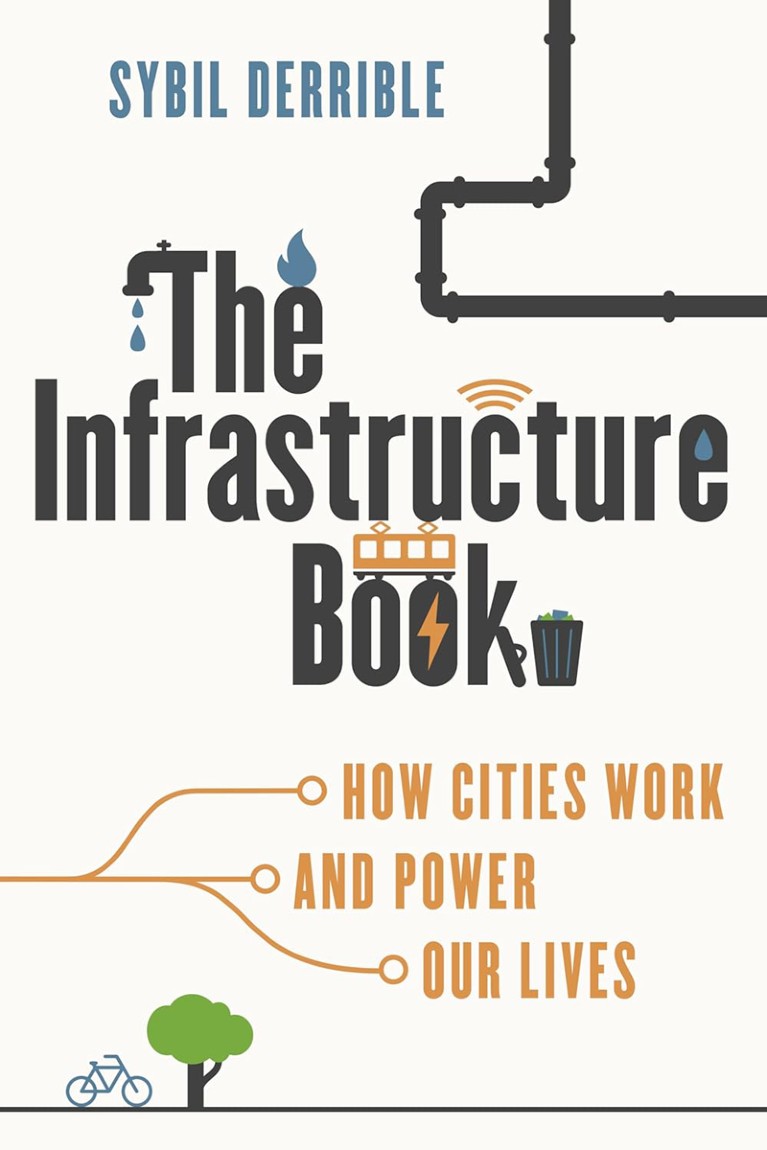
The Infrastructure Book

Sybil Derrible Prometheus (2025)

In 1995, a massive heatwave in Chicago, Illinois, took at least 739 lives. The city authorities assumed that a lack of air conditioning was responsible for most deaths, but an investigation attributed them mainly to social isolation. As Chicago-based engineer Sybil Derrible notes in his penetrating analysis of urban infrastructure: “Technology comes and goes, but infrastructure stays because infrastructure is all about people.” Surveying 16 large cities globally, he investigates water, transport, energy and telecommunications networks.
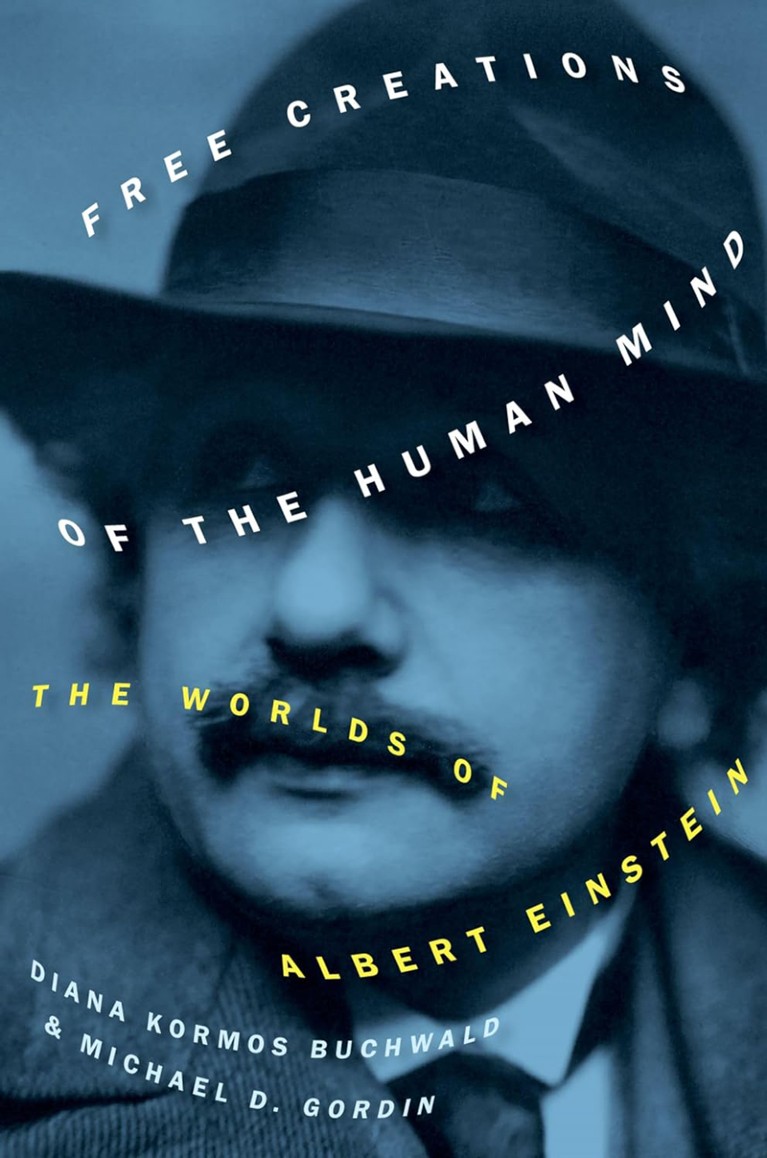
Free Creations of the Human Mind

Diana Kormos Buchwald & Michael D. Gordin Oxford Univ. Press (2025)

Of the physics Nobel prizes awarded since 2000, “no fewer than seven … stem directly from Einstein’s work in 1905 and 1915”, point out historians of science Diana Buchwald and Michael Gordin. Their brief, appealing book discusses the general theory of relativity and quantum theory, but is preoccupied mainly with Albert Einstein’s life, personality and philosophy, especially his complex relationship with war — including the design of the atomic bomb — and pacifism.
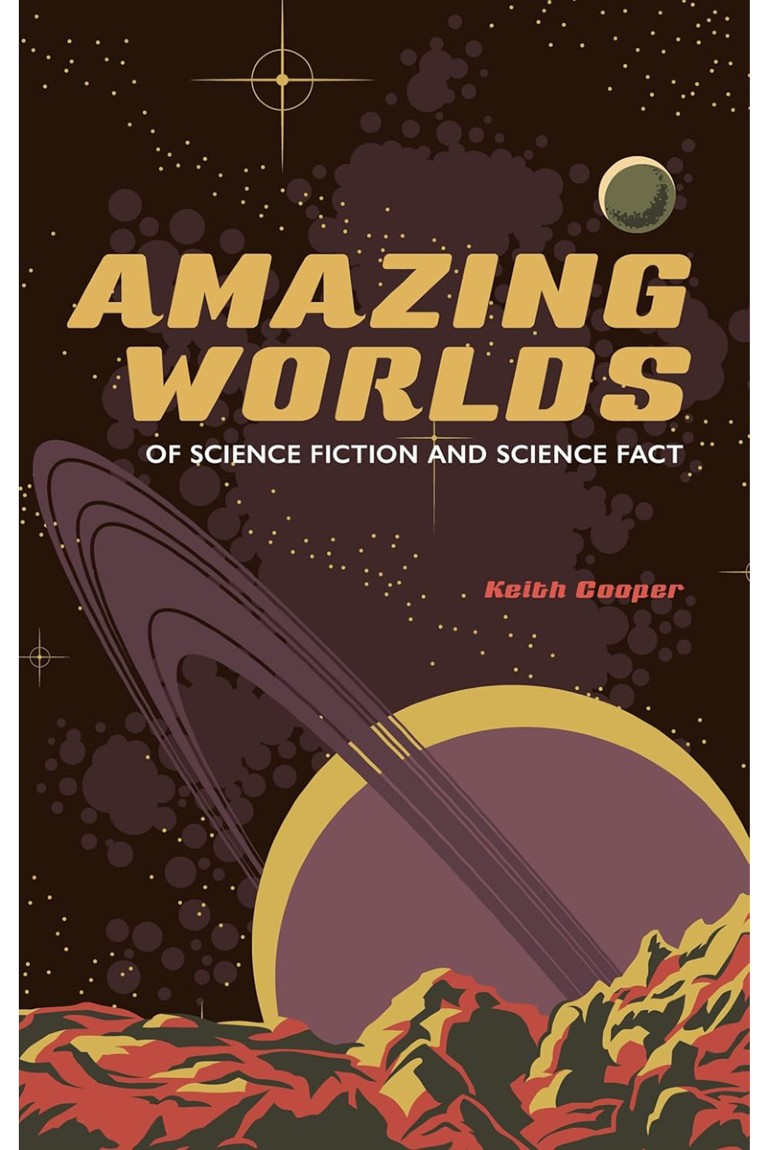
Amazing Worlds of Science Fiction and Science Fact

Keith Cooper Reaktion (2025)

Astronomers observed the first confirmed exoplanet in 1992. Some 5,900 are now known, in about 4,500 planetary systems, with around 1,000 containing several planets, according to NASA. No life has been detected yet, showing just “how rare our planet Earth still is” and how “the imagination imbued within science fiction can only carry us so far”, notes science journalist Keith Cooper. His engaging book, based on interviews with writers and researchers, examines what science fiction has got right and wrong, and what science can learn from it.
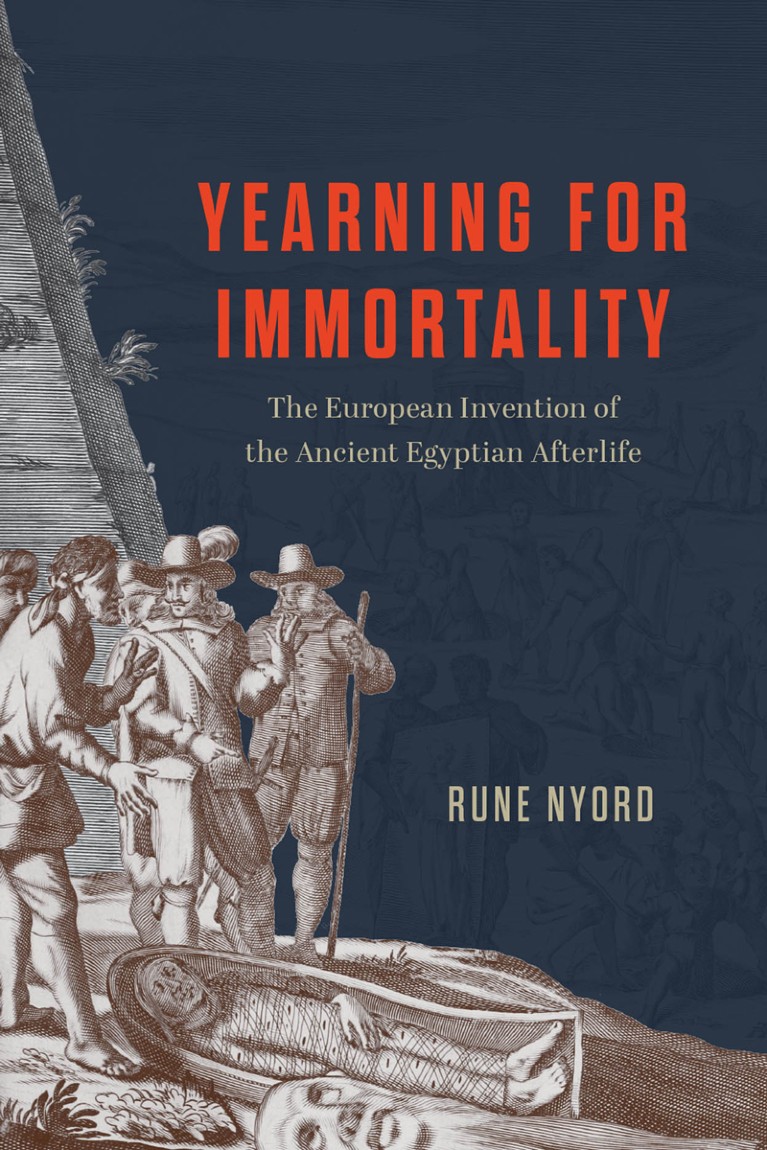
Yearning for Immortality

Rune Nyord Univ. Chicago Press (2025)
Awards: The Top Science + Literature Books Of 2025

Announcing the 2025 Science + Literature Titles - National Book Foundation

NATIONAL BOOK FOUNDATION (January 22, 2025): The National Book Foundation (NBF) and the Alfred P. Sloan Foundation today announced selected titles for the fourth year of the Science + Literature program.

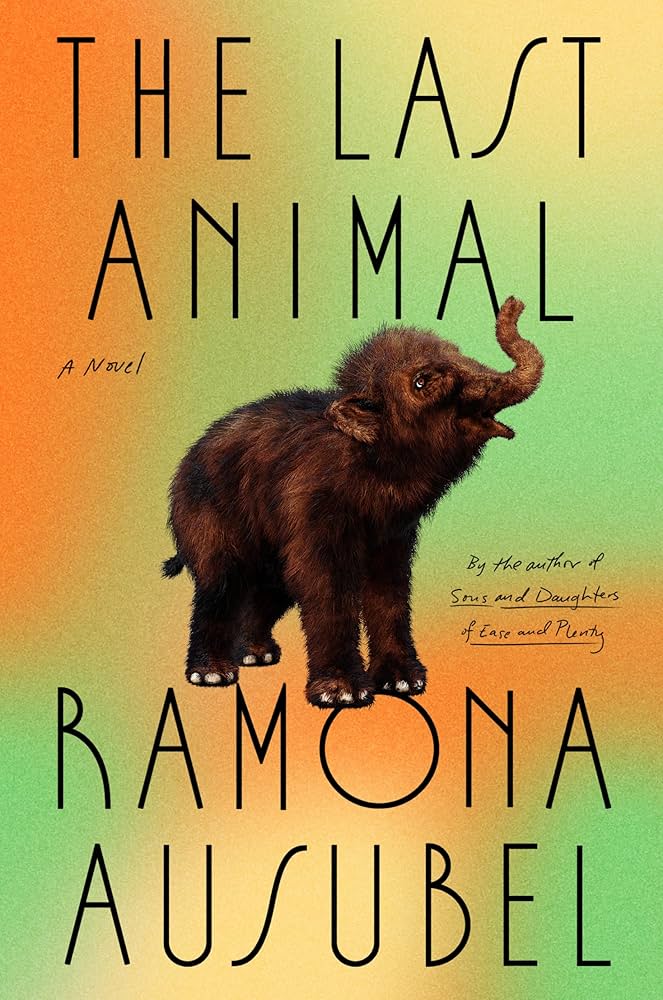
Ramona AusubelThe Last Animal

The Last Animal: A Novel

Riverhead Books / Penguin Random House

“…follows two teenage sisters who join their mother—a paleontology graduate student—on scientific expeditions near and far. Ausubel’s novel captures the wonder of scientific discovery as Jane and her daughters navigate grief, sexism, and a journey to find a wooly mammoth and themselves.

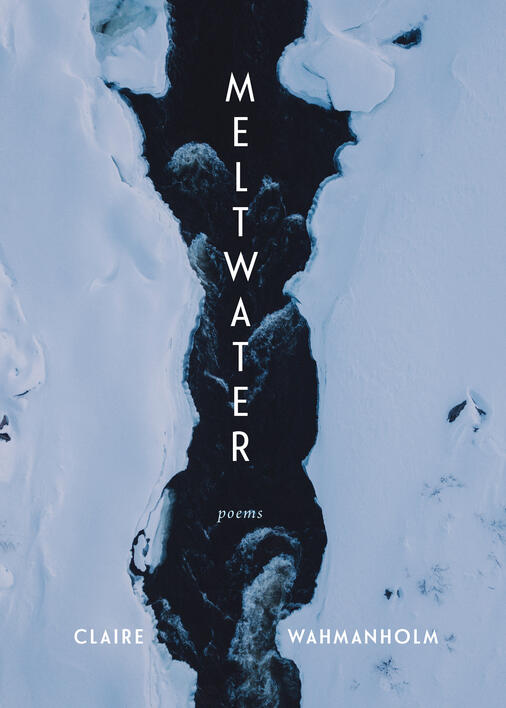
Claire WahmanholmMeltwater

Milkweed Editions

“…dissects the vulnerability of parenthood and our natural world, with embedded erasure poems of Lacy M. Johnson’s “How to Mourn a Glacier” throughout the collection. Meltwater simultaneously mourns the disastrous effects of the climate crisis while finding moments of joy in the everyday through the eyes of a new mother.

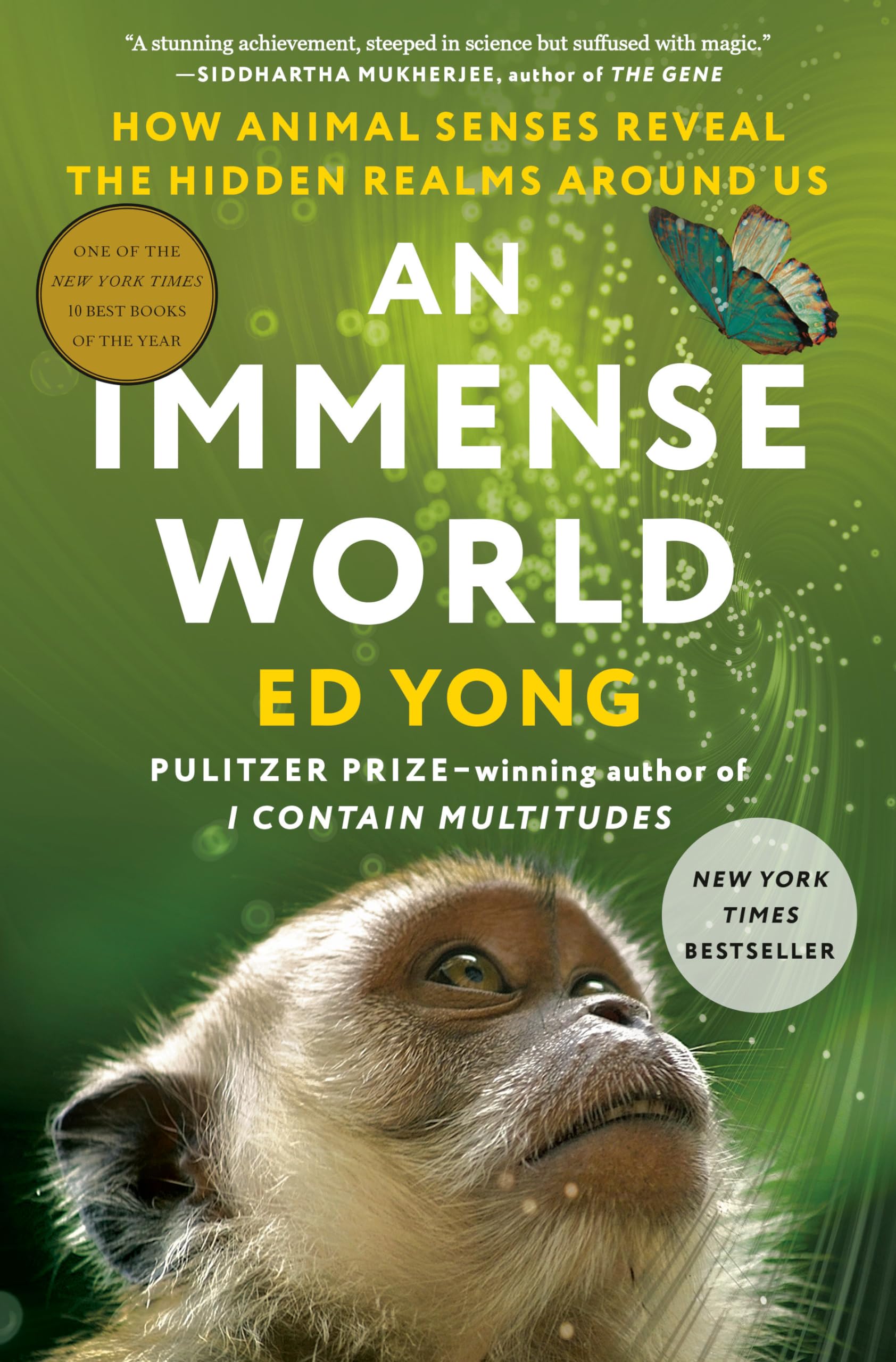
Ed YongAn Immense World: How Animal Senses Reveal the Hidden Realms Around Us

An Immense World: How Animal Senses Reveal the Hidden Realms Around Us:  Yong, Ed: 9780593133231: Amazon.com: Books

Random House / Penguin Random House

“…invites readers into the remarkable sensory worlds of birds, bugs, crocodiles, dogs, and many other animals to show us how these creatures experience the world. Yong argues that all creatures, humans included, have their own unique way of perceiving their surroundings, making the case for why we must collectively protect our biologically diverse planet.”

Nature Magazine: Top New Science Books Of 2025

SCIENCE MAGAZINE (January 13, 2025): Pictograms, comics and other illustrations: Andrew Robinson reviews five of the best science picks.

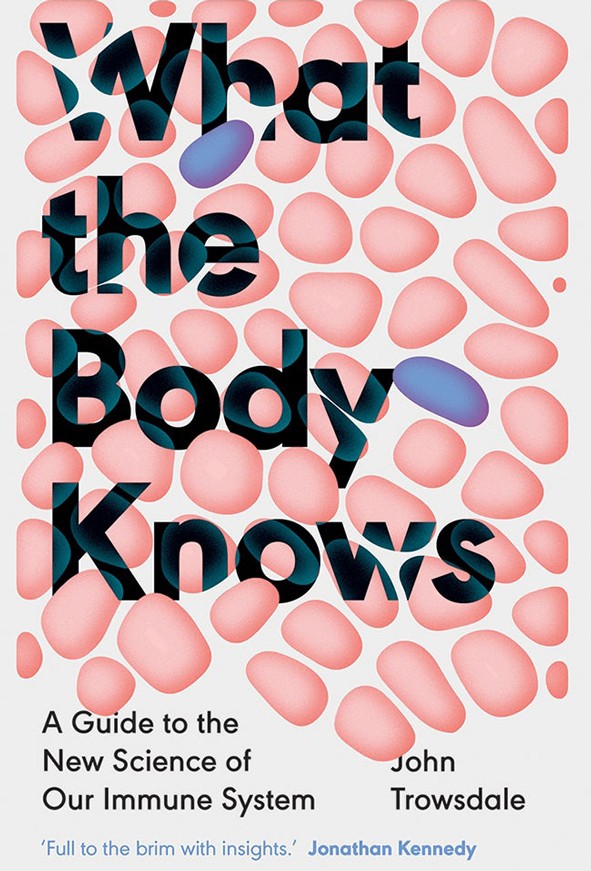
What the Body Knows

John Trowsdale Yale Univ. Press (2024)

To understand the body, “we might picture the heart as a pump, the brain as a kind of computer, the lungs as bellows, the kidney as filters”. But what about the immune system — asks immunologist John Trowsdale in his engaging analysis. It has no straightforward analogy, operating simultaneously as an antiviral software, a surveillance camera, a weapons system and a way to share resources. The system is “unobtrusive yet extensive, nowhere and everywhere, redundant yet essential, powerful yet remote”.

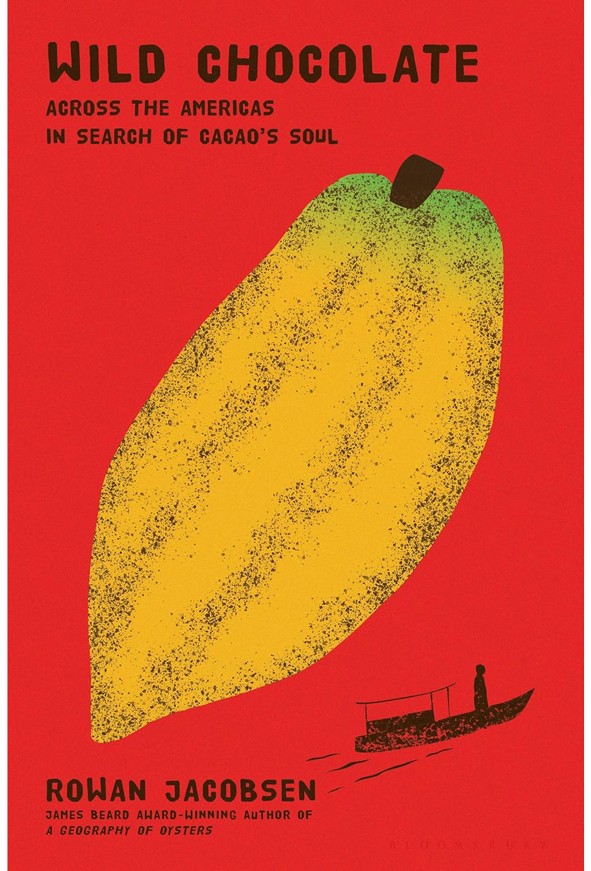
Wild Chocolate

Rowan Jacobsen Bloomsbury (2024)

When residue inside decorative pots from ancient Mexico was analysed, it yielded traces of cacao — early evidence of cocoa consumption. The Spanish word chocolate might have been influenced by the Nahuatl (Aztec) cacahuatl, or cacao water. Journalist Rowan Jacobsen’s appealing book explores wild chocolate’s history as he travels through Central and South America, meeting chocolate makers, activists and Indigenous leaders who revive the bean’s variety in taste and prestige, lost during its modern industrial manufacture.

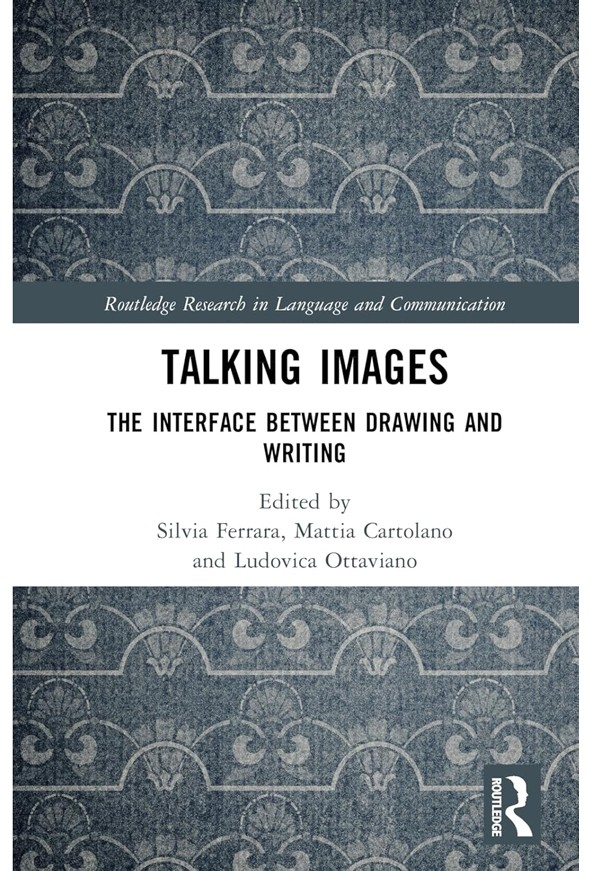
Talking Images

Eds Silvia Ferrara et alRoutledge (2024)

The logo of the Beijing 2008 Paralympic Games was a figure with a red dot ‘head’, blue ‘body’ and single, straight green ‘leg’ — adapted from the Chinese character zhi, meaning ‘birth, life’, ‘arrival’ and ‘achievement’. It is one of a huge variety of “talking images” in a collection edited by three scholars interested in writing. Images range from Palaeolithic symbols and ancient Mesopotamian pictograms to modern Chinese calligraphy and Indian comics. The book traces links between images, marks, language and writing.

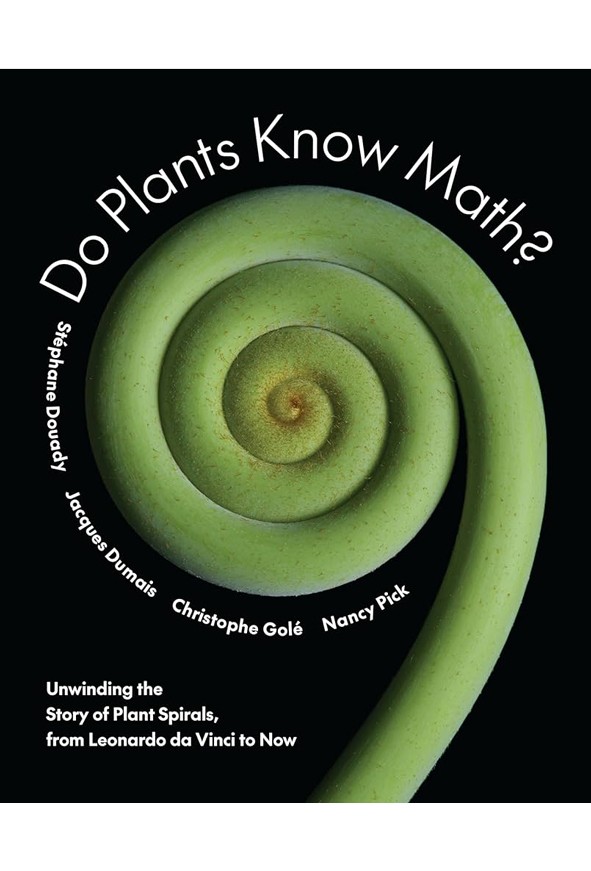
Do Plants Know Math?

Stéphane Douady et al. Princeton Univ. Press (2024)

Nature Reviews: Top New Science Books – Fall 2024

nature Magazine Science Book Reviews – October 14, 2024: Andrew Robinson reviews five of the best science picks.

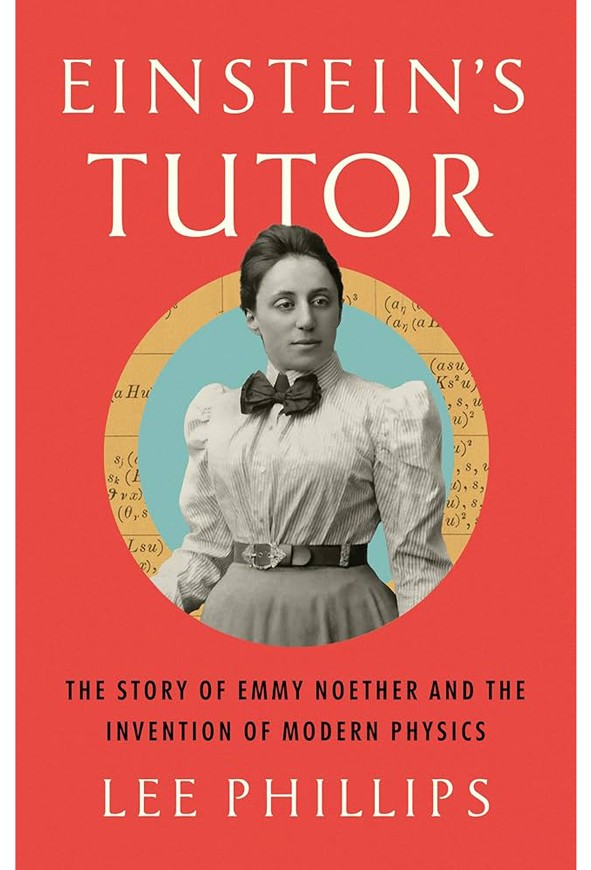
Einstein’s Tutor

Lee Phillips PublicAffairs (2024)

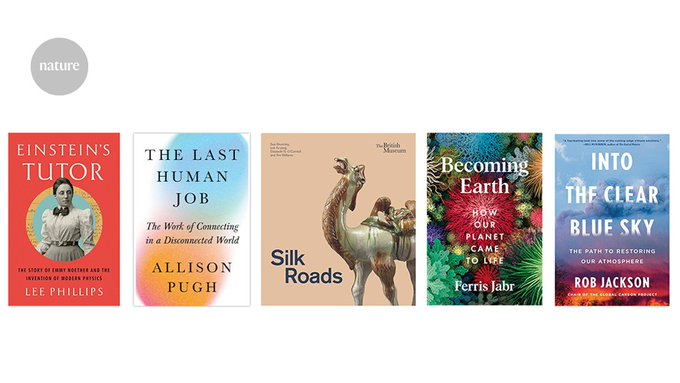
Major studies of Albert Einstein’s work contain minimal, if any, reference to the role of German mathematician Emmy Noether. Yet, she was crucial in resolving a paradox in general relativity through her theorem connecting symmetry and energy-conservation laws, published in 1918. When Noether died in 1935, Einstein called her “the most significant creative mathematical genius thus far produced since the higher education of women began”. In this book about her for the general reader, physicist Lee Phillips brings Noether alive.

Silk Roads

Sue Brunning et alBritish Museum Press (2024)

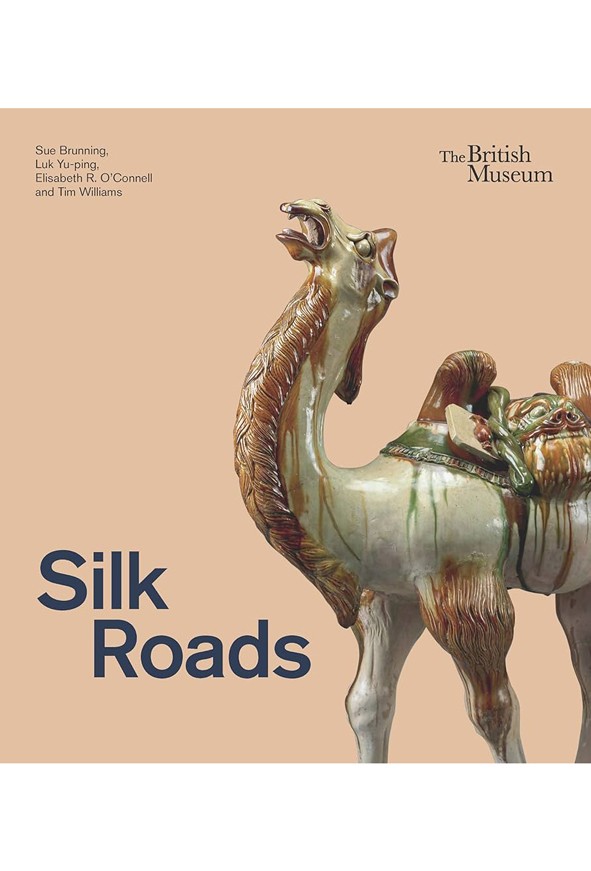
The first object discussed in this lavishly illustrated British Museum exhibition book reveals the far-ranging, mysterious nature of the Silk Roads. It is a Buddha figure, excavated in Sweden from a site dated to around ad 800, and probably created in Pakistan two centuries earlier. No one knows how it reached Europe or its significance there. As the authors — three of them exhibition curators — admit, it is “impossible to capture the full extent and complexity of the Silk Roads in a single publication”— even by limiting their time frame to only five centuries.

The Last Human Job

Allison Pugh Princeton Univ. Press (2024)

A century ago, notes sociologist Allison Pugh, people doing their food shopping gave lists to shop workers, who retrieved the goods then haggled over the prices. The process epitomized what she terms connective labour, which involves “an emotional understanding with another person to create the outcomes we think are important”. A healthy society requires more connective labour, not more automation, she argues in her engaging study, which observes and interviews physicians, teachers, chaplains, hairdressers and more.

Becoming Earth

Ferris Jabr Random House (2024)

According to science journalist Ferris Jabr, his intriguing book about Earth — divided into three sections on rock, water and air — is “an exploration of how life has transformed the planet, a meditation on what it means to say that Earth itself is alive”. If this definition sounds similar to the Gaia hypothesis by chemist James Lovelock and biologist Lynn Margulis, that is welcome to Jabr, who admires Lovelock as a thinker and personality. He also recognizes how the 1970s hypothesis, which evolved over decades, still divides scientists.

Into the Clear Blue Sky

Rob Jackson Scribner (2024)

Earth scientist Rob Jackson chairs the Global Carbon Project, which works to reduce greenhouse-gas emissions and improve air and water quality. His book begins hopefully on a visit to Rome, where Vatican Museums conservators discuss the “breathtaking” restoration of the blue sky in Michelangelo’s fresco The Last Judgement, damaged by centuries of grime and visitors’ exhalations. But he ends on a deeply pessimistic note on a research boat in Amazonia, which is suffering from both floods and fires: the “Hellocene”.

Nature Reviews: Top New Science Books – Fall 2024

Nature

nature Magazine Science Book Reviews – September 27, 2024: Andrew Robinson reviews five of the best science picks.

Environomics

By Dharshini David 

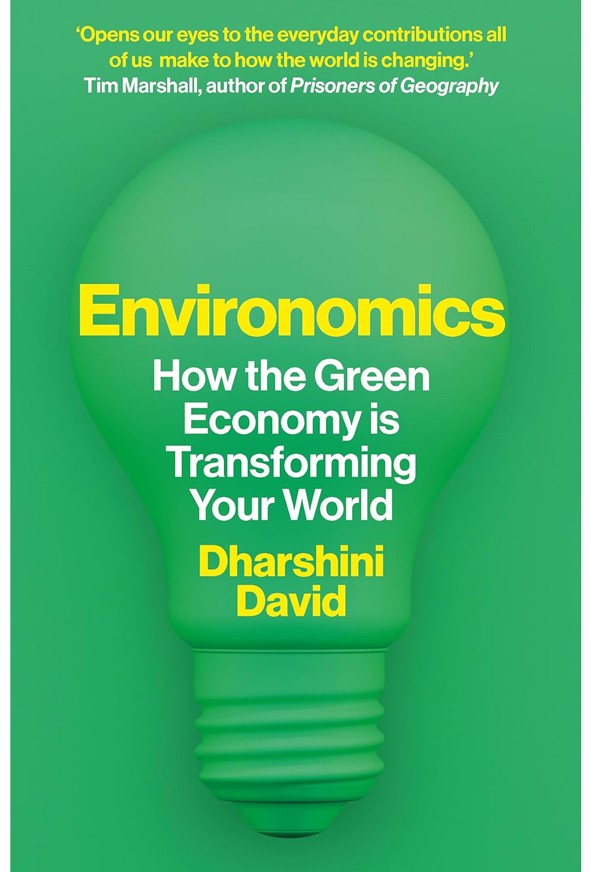
Why should an orangutan care what toothpaste a person uses, asks economist Dharshini David, in her appealing book about how human lifestyle choices affect the planet. Answer: some toothpastes use palm oil to create foam, whereas others don’t, and palm-oil production requires the clearing of tropical forests, eliminating the habitats of creatures such as orangutans. “Nearly every issue that affects the environment comes down, in some way, to what someone, somewhere, is doing to make (or save) money,” she writes.

Mapmatics

By Paulina Rowińska 

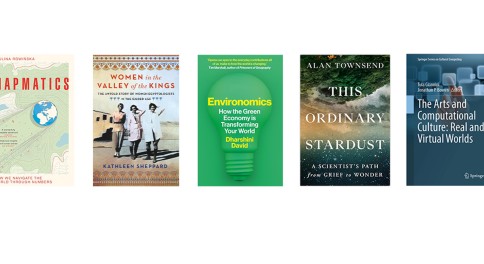
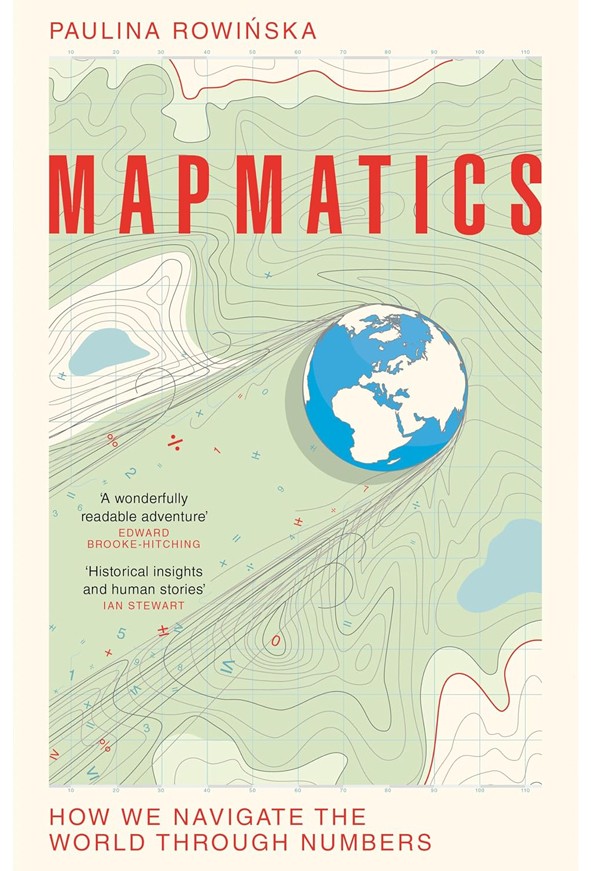
From world maps designed by geographer Gerardus Mercator for marine navigation in the sixteenth century to online maps created by Google for self-driving cars in the twenty-first century, maps rely on mathematics. “While different on the surface, the jobs of a mathematician and a cartographer are surprisingly similar,” writes mathematician Paulina Rowińska in her engaging and original history of ‘mapmatics’. Indeed, maps not only depend on mathematics but have also inspired many mathematical breakthroughs.

The Arts and Computational Culture

By Tula Giannini & Jonathan P. Bowen 

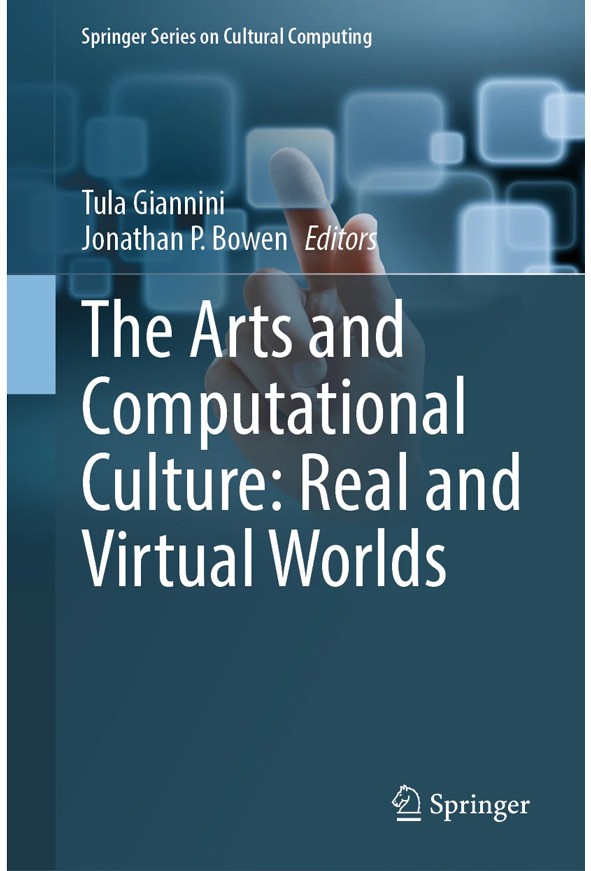
This substantial, topical collection on the arts and computing, edited by information scientist Tula Giannini and computer scientist Jonathan Bowen, begins with polymath Leonardo da Vinci’s blending of art and science and ends with a survey of modern art exhibitions that involve computing. As the editors write, “facilitated by computing, artificial intelligence, machine learning, algorithms, and simulated human senses, the arts are expanding their horizons”. Perhaps AI will eventually stand also for Artistic Imagination?

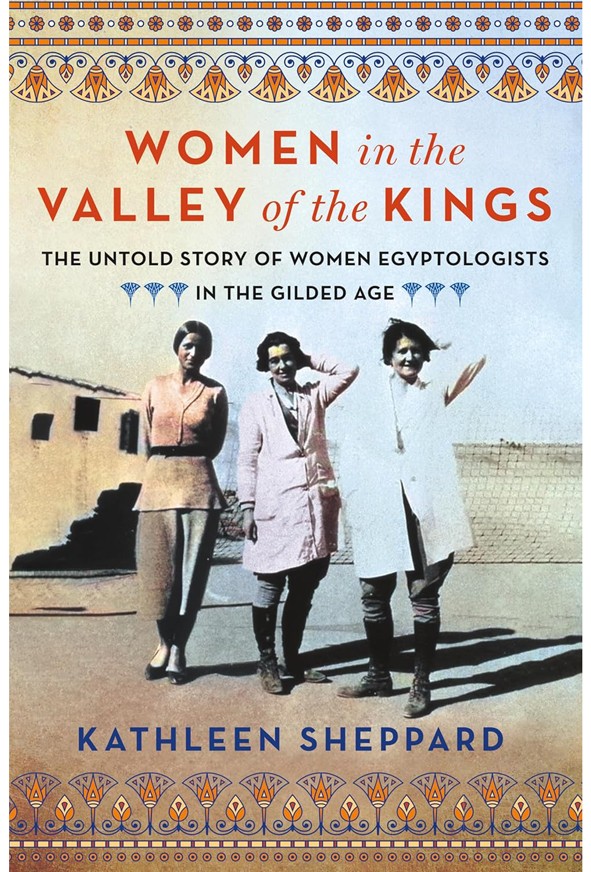
Women in the Valley of the Kings

By Kathleen Sheppard

Discussions of Egyptologists tend to focus on men — for example, Howard Carter, who excavated Tutankhamun’s tomb in 1922. Yet, women played an important part in Egyptology, as historian Kathleen Sheppard describes. She begins in the 1870s with Marianne Brocklehurst and Amelia Edwards’s A Thousand Miles up the Nile, and ends with Caroline Ransom Williams’s death in 1952. Lacking permission to find artefacts, these women “acquired, organized and maintained” the world’s largest collections of Egyptian objects.

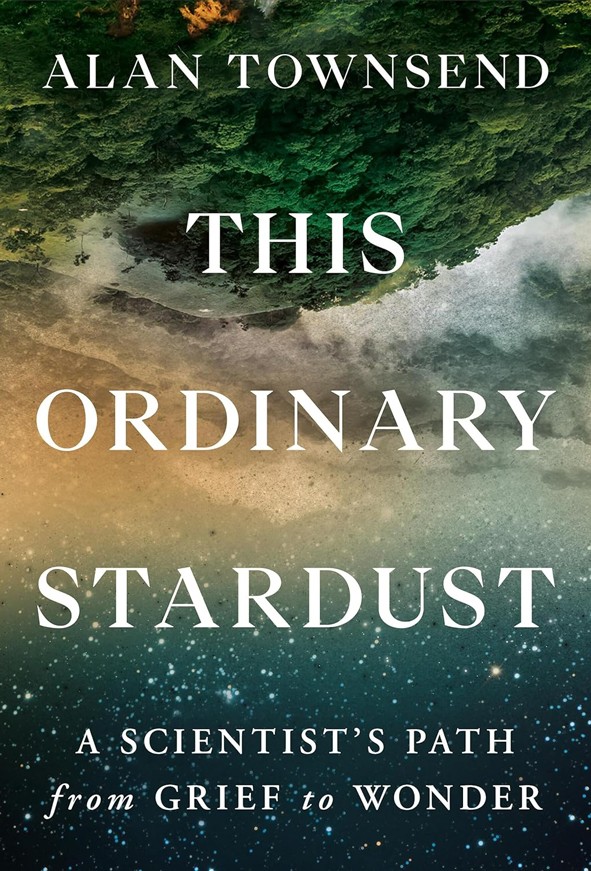
This Ordinary Stardust

By Alan Townsend

Alan Townsend, dean of the college of forestry and conservation at the University of Montana in Missoula, calls himself a biogeochemist. This field can teach us, he remarks, about cornfields, fertilizers, lake colours, sea life and even planetary warming. It can also “nurture the soul”. He learnt this truth when both his beloved wife and four-year-old daughter fell ill with brain cancer, and only the child recovered. His moving memoir describes how scientific wonder rescued him from appalling grief and suicidal thoughts.

Nature Magazine: Best Science Books Of 2024

Nature

Nature Magazine (September 9, 2024): Consider the finches: Books in brief. Andrew Robinson reviews five of the best science picks…
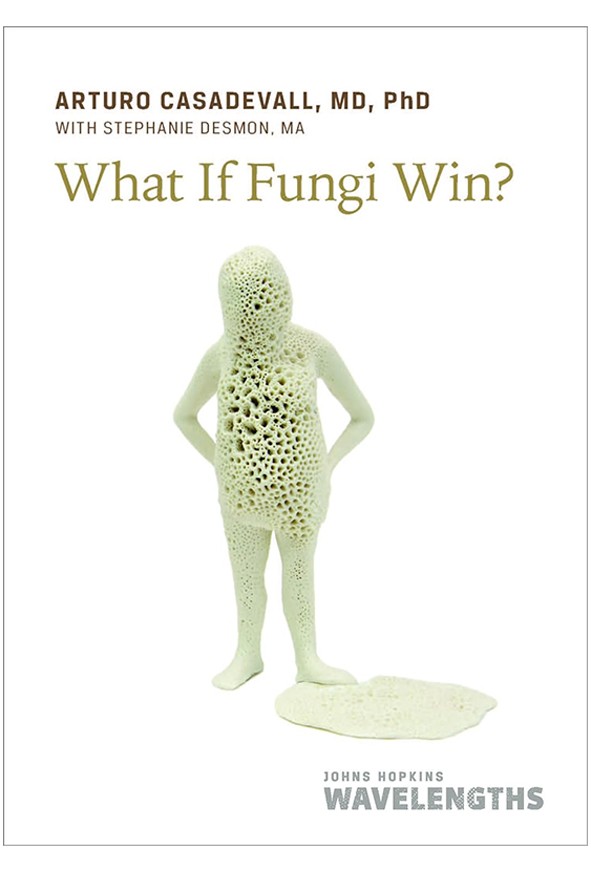
What If Fungi Win?

Arturo Casadevall Johns Hopkins Univ. Press (2024)

Earth’s largest organism, the ‘Humongous Fungus’, thrives under the floor of Malheur National Forest in Oregon. Sprung from a tiny spore 8,000 years ago, it weighs an estimated 31,500 tonnes spread over 10 square kilometres, sucking in nutrients from trees. Fungi are regarded as being more closely related to animals than to plants. “Fungi and humans share nearly 50% of their DNA,” observes epidemiologist Arturo Casadevall, in his brilliant book exploring the properties of fungi that are both fruitful and deadly to humans.

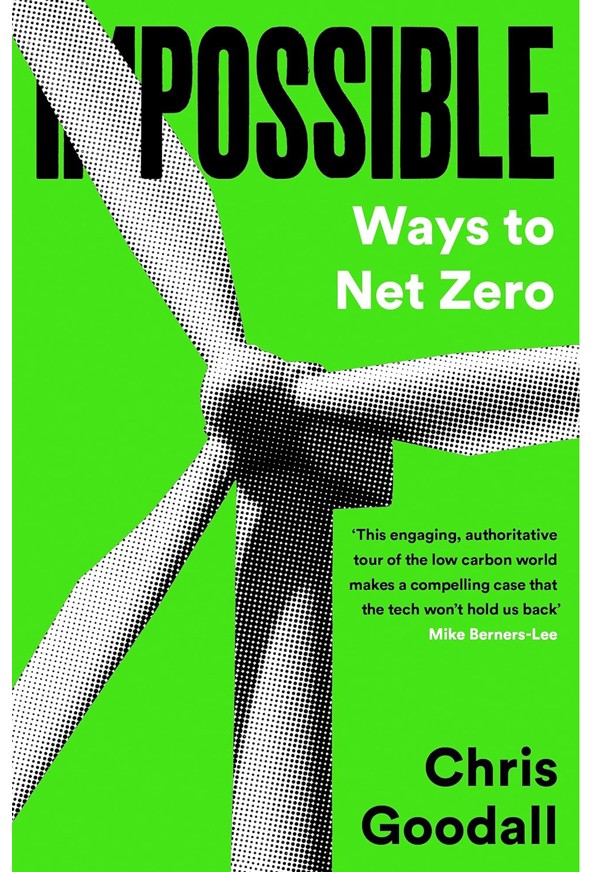
Possible: Ways To Net Zero

Chris Goodall Profile (2024)

Net-zero carbon emissions by 2050 are the global goal. China leads the world in installing wind- and solar-energy capacity, comments businessperson and environmental writer Chris Goodall, in this realistic but hopeful analysis of the technological and attitudinal challenges that all nations face in achieving net zero. The UK laundry company Oxwash — founded in 2018 by a university student tired of broken washing machines — provides services fuelled by renewable electrical power and gas from anaerobic digesters of farm waste.

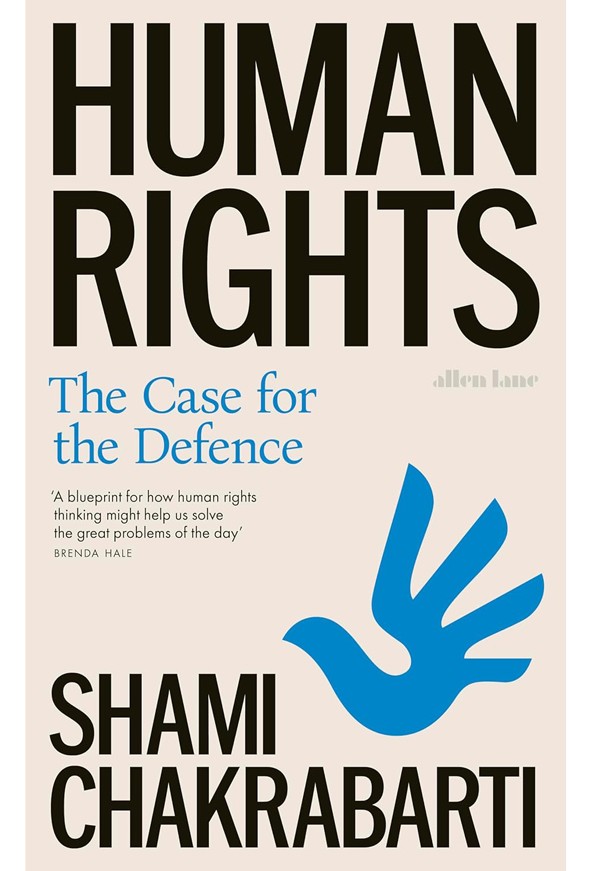
Human Rights: The Case For The Defence

Shami Chakrabarti Allen Lane (2024)

International agreements on fundamental human rights, such as entitlement to a fair trial and free speech, are now under threat in Europe, the United States and elsewhere. Shami Chakrabarti, a human-rights lawyer and former director of the UK National Council for Civil Liberties, considers how to defend these rights. How can “global inequality, conflict, climate catastrophe and the new and under-governed continent of the Internet” be tackled without global values and higher laws, or ways to enforce them?

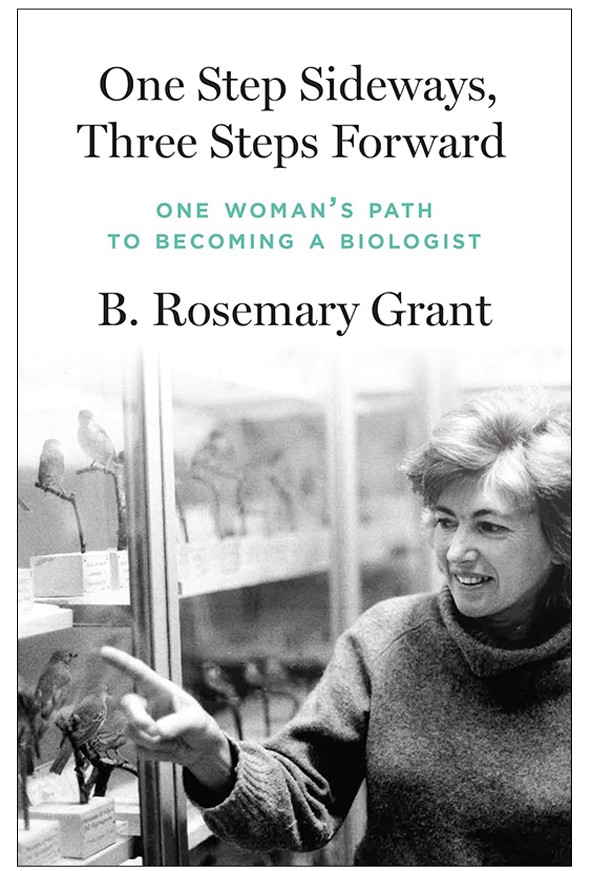
One Step Sideways, Three Steps Forwards: One Woman’s Path to Becoming A Biologist

Rosemary Grant Princeton Univ. Press (2024)

A scientific life “requires critical thinking, following exceptions to your pet theory, respect for others and strong ethical values”, concludes evolutionary biologist Rosemary Grant. Her memoir tells of a girl fascinated by birds and fossils, who later formed a celebrated team with her biologist husband Peter. While raising a family, the couple studied Darwin’s finches in the Galapagos Islands, Ecuador, for six months each year from 1973 to 2012. They revealed visible natural selection in a bird’s lifetime — contrary to Charles Darwin’s initial thinking.

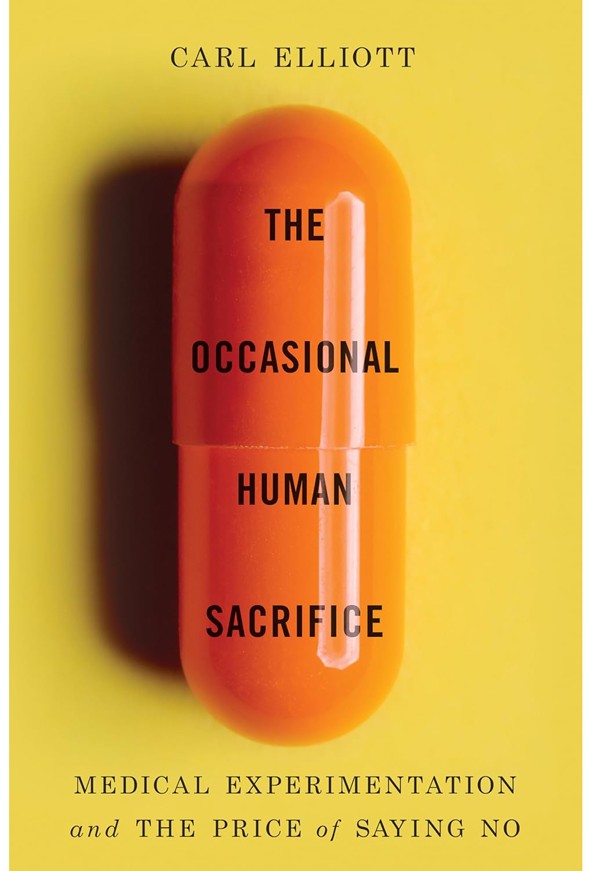
The Occasional Human Sacrifice: Medical Experimentation and the Price of Saying No

Carl Elliott W. W. Norton (2024)

Bioethicist Carl Elliott’s analysis of medical malpractice begins grippingly: “Let me present my credentials as a coward.” He then lists the times he failed to object to mistreatments as a medical student, followed by his frustrating campaign to publicize a case of suicide at his university in which a psychiatrist enrolled a patient in a dubious drug study. These experiences illuminate six historical cases of “occasional human sacrifice” caused by people’s alleged consent to participate in programmes that they did not comprehend.

Nature 633, 277 (2024)

doi: https://doi.org/10.1038/d41586-024-02918-0

Nature Magazine: Best Science Books Of 2024

Nature Magazine (March 15, 2024):

Verbose robots, and why some people love Bach: Books in Brief

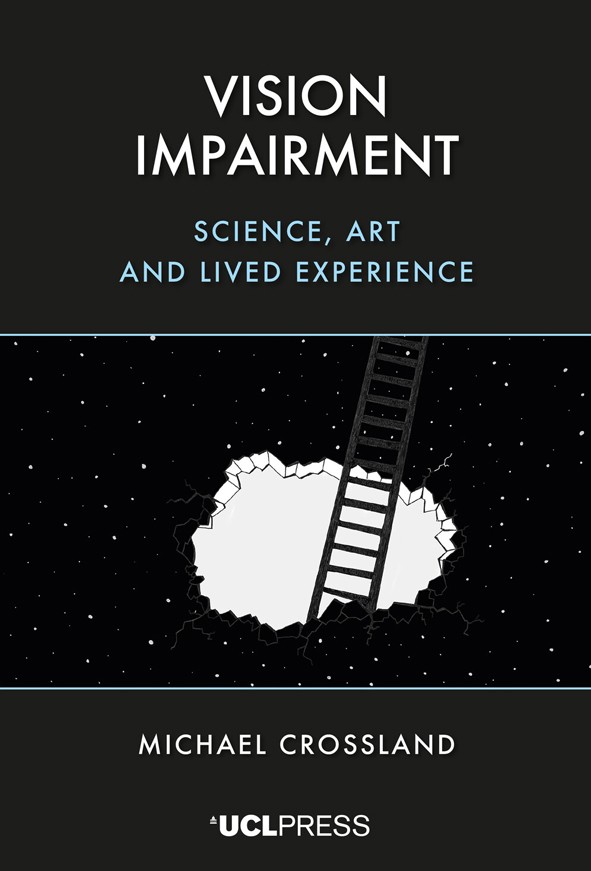
Vision Impairment

Michael Crossland UCL Press (2024)

On a typical day in his clinic, London-based optometrist Michael Crossland assesses both young children and centenarians with low vision. Severe vision impairment affects 350 million people around the world, many of whom in poorer countries lack access to any eye care. His fascinating, sometimes moving, account — mixing ophthalmology with the stories of his patients and many others — reveals that life with vision impairment can be “just as rich and rewarding as life with 20/20 vision”.

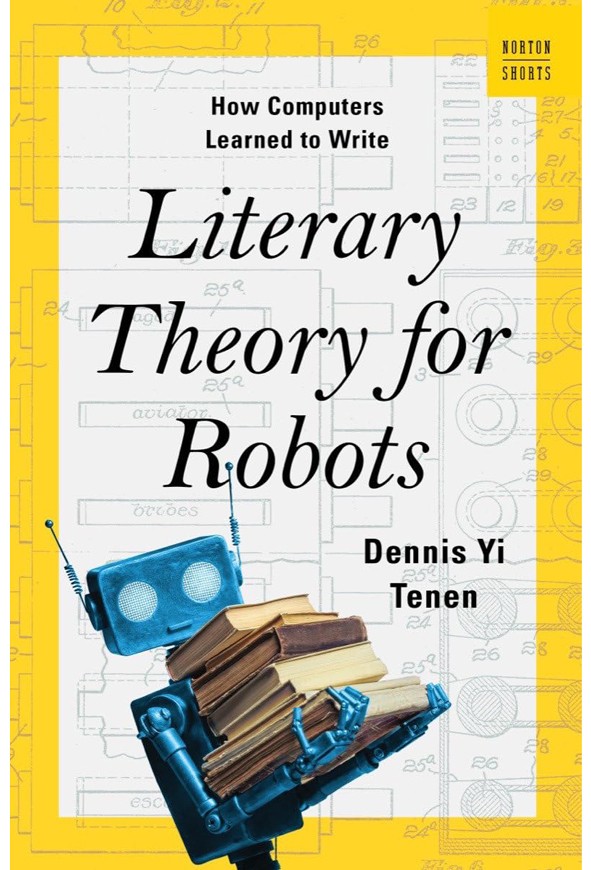
Literary Theory for Robots

Dennis Yi Tenen W. W. Norton (2024)

Artificial intelligence (AI) is rooted in the humanities, argues Dennis Yi Tenen, a comparative-literature professor and former Microsoft engineer. Chatbots are trained using electronic versions of tools such as “dictionaries, style guides, schemas, story plotters [and] thesauruses” that were historically part of the collective activity of writing. Indeed, a statistical model called the Markov chain, crucial to AI, arose from an analysis of vowel distribution in poems by Alexander Pushkin. Tenen’s cogitation is a witty, if challenging, read.

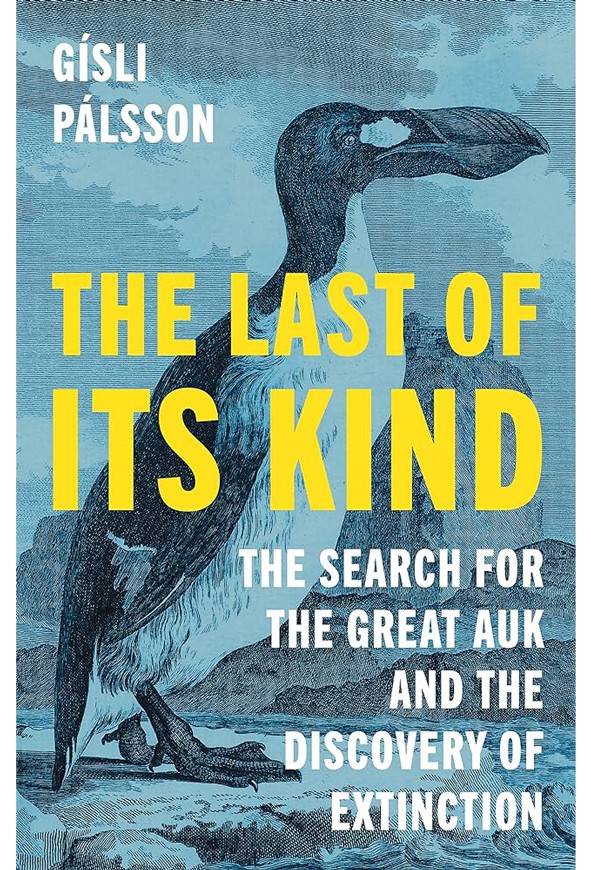
The Last of Its Kind

Gísli Pálsson Princeton Univ. Press (2024)

Living species could never become extinct, thought naturalist Carl Linnaeus. Charles Darwin disagreed, saying extinction was a natural process. Then ornithologists John Wolley and Alfred Newton began studying great auks, flightless birds living on remote islands in the North Atlantic Ocean. They visited Iceland in 1858 to see great auks, but instead met locals who described killing off the birds — revealing how humans could extinguish a species. Anthropologist Gísli Pálsson tells the engaging story of this “key intellectual leap”.

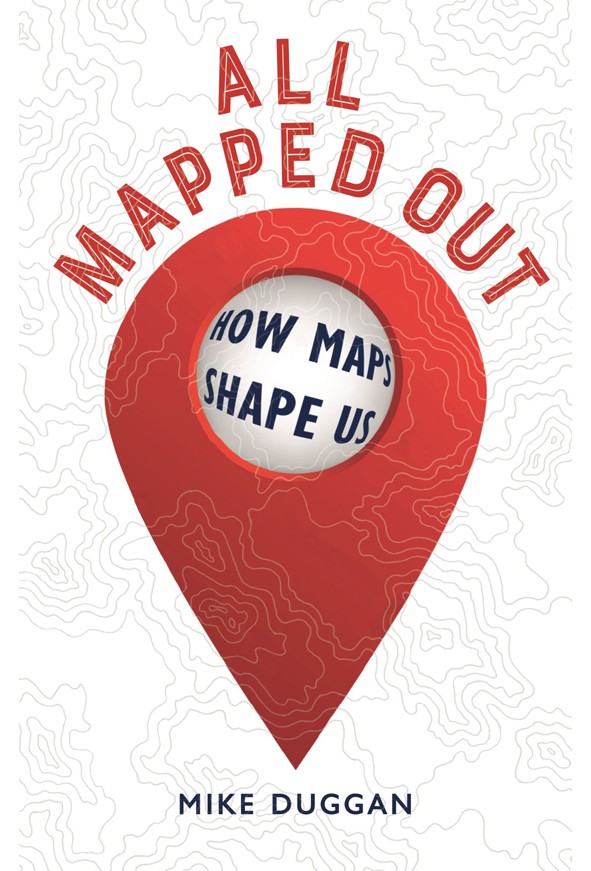
All Mapped Out

Mike Duggan Reaktion (2024)

Cultural geographer Mike Duggan works in partnership with the UK national mapping agency, Ordnance Survey, to study everyday digital-mapping practices. Important as it is, digital mapping is not superseding analogue maps, he observes in his global history of cartography, which begins with Palaeolithic carvings. Sales of Ordnance Survey paper maps are rising, perhaps because of their convenience. “Although digital maps are improving constantly in accuracy and design, they do not always live up to those promises.”

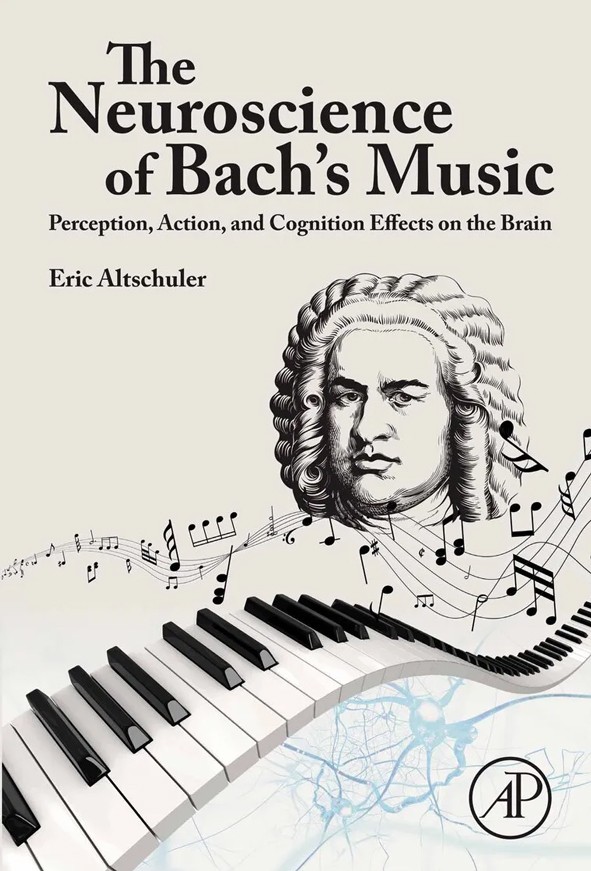
The Neuroscience of Bach’s Music

Eric Altschuler Academic (2024)

Physician and neuroscientist Eric Altschuler regards J. S. Bach as the greatest composer ever, as do many others. Altschuler’s pioneering study — illustrated with numerous musical examples — aims to show how Bach-centred neuroscience “can help us better appreciate perceptual and cognitive affects in Bach” and create better performances of the composer’s work. It also teaches us how music perception is not localized to one region of the brain but occurs throughout it, and varies from person to person.

Nature Magazine: Best Science Books Of 2023

Nature Magazine (December 15, 2023):

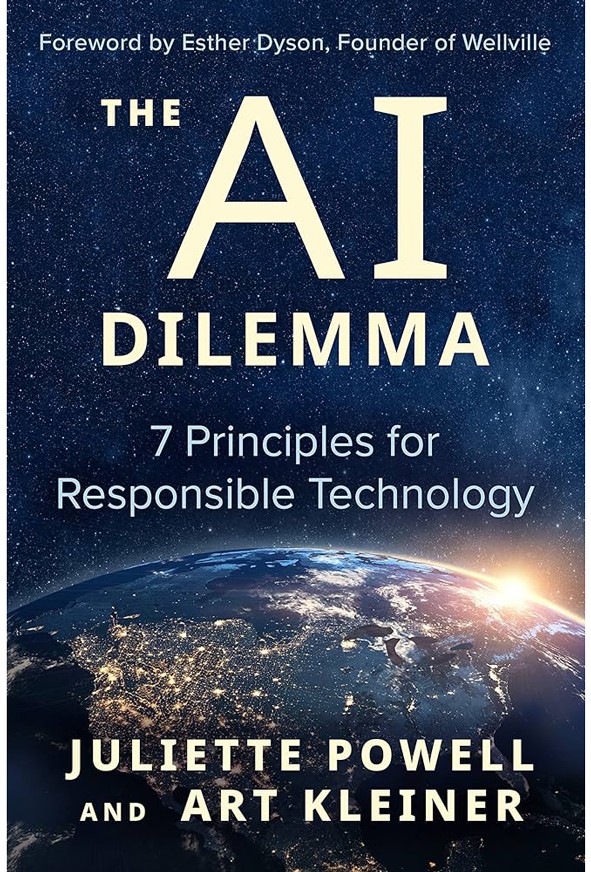
The AI Dilemma

Juliette Powell & Art Kleiner Berrett-Koehler (2023)

The benefits and harms of social media are intimately tied to the ongoing debate about artificial intelligence (AI). Will AI systems trained partly on social media benefit or harm humanity? In their excellent, sometimes alarming, analysis of engineering, social justice, commerce and government, entrepreneur and technologist Juliette Powell and writer and educator Art Kleiner compare humans developing AI tools to first-time parents. They recommend guiding AI systems “as we would a child towards full adulthood”.

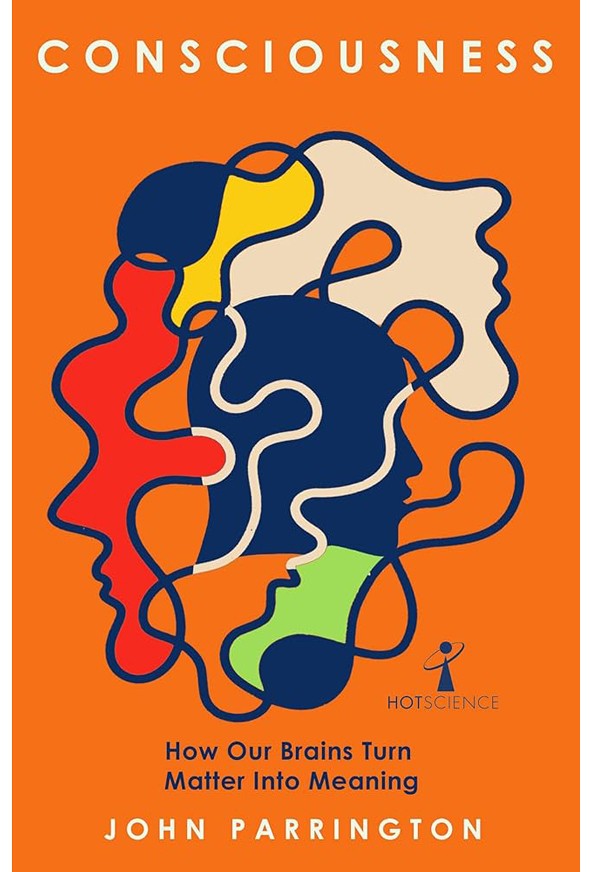
Consciousness

John Parrington Icon (2023)

“The material basis of human consciousness is one of the biggest unsolved issues in science,” admits cellular and molecular pharmacologist John Parrington in his pithy addition to a vast literature dating from the time of ancient Greek philosopher Aristotle. He considers many theories and proposes his own. Humans, he argues, are distinguished by conceptual thought and language, along with skills in designing tools and technologies. The evolution of these powers transformed our brains, creating meaning and consciousness.

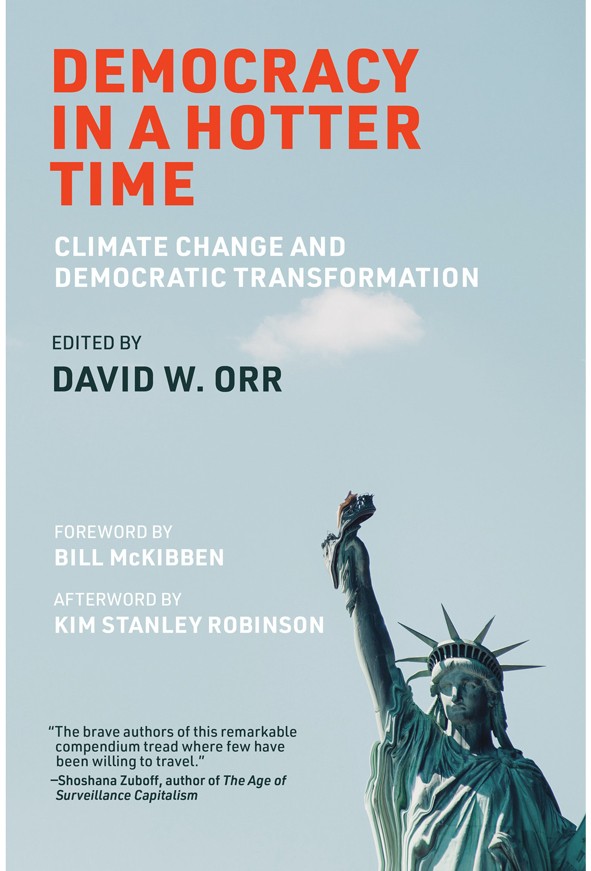
Democracy in a Hotter Time

Ed. David W. Orr MIT Press (2023)

Environmentalist David Orr writes in the introduction to this timely collection that the planet faces two interlinked crises: “rapid climate change and potentially lethal threats to democracy”. The US Constitution rigorously protects private property but does not mention ecological systems, he observes. Contributors — almost all US-based — from a wide range of fields examine the need for political reform. The book is in four parts: the nature of democracy; roadblocks to change; policy and law; and education, including academic culture.

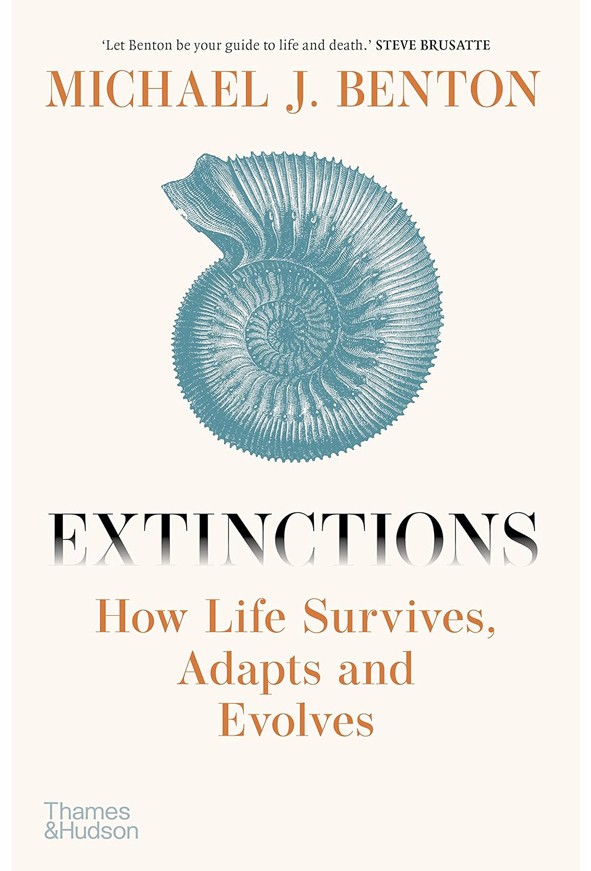
Extinctions

Michael J. Benton Thames & Hudson (2023)

When palaeontologist Michael Benton learnt about dinosaurs as a boy, he “loved the fact they were extinct”. They were like real science fiction. Perhaps he also intuited that their extinction permitted his existence. As his deeply informed and readable book reveals, the mass extinction at the end of the Cretaceous period 66 million years ago allowed a new cohort of creatures — including mammals — to “inherit the Earth”, as did four earlier extinction events. Living species represent less than 1% of all the species that have existed.

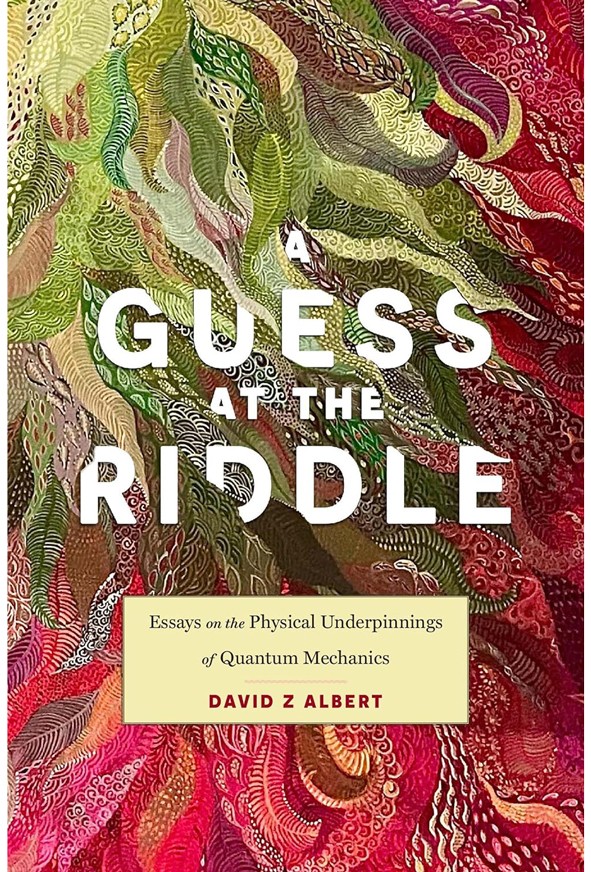
A Guess at the Riddle

David Z. Albert Harvard Univ. Press (2023)

The physical interpretation of quantum mechanics has been a controversial riddle since the 1920s, when Niels Bohr argued that the atom’s inner workings could not be described in physical terms. Today, many philosophers and physicists disagree, but there’s no consensus on an alternative. Philosopher David Albert’s provocative book argues, in three essays, that Bohr’s quantum-measurement problem starts to make sense if the wave function is understood as the fundamental physical ‘stuff’ of the Universe.

Nature Reviews: Top New Science Books – AUG 2023

nature Magazine Science Book Reviews – August 4, 2023: The bitter-sweet history of sugar, and the marvels of measurement. Andrew Robinson reviews five of the best science picks.

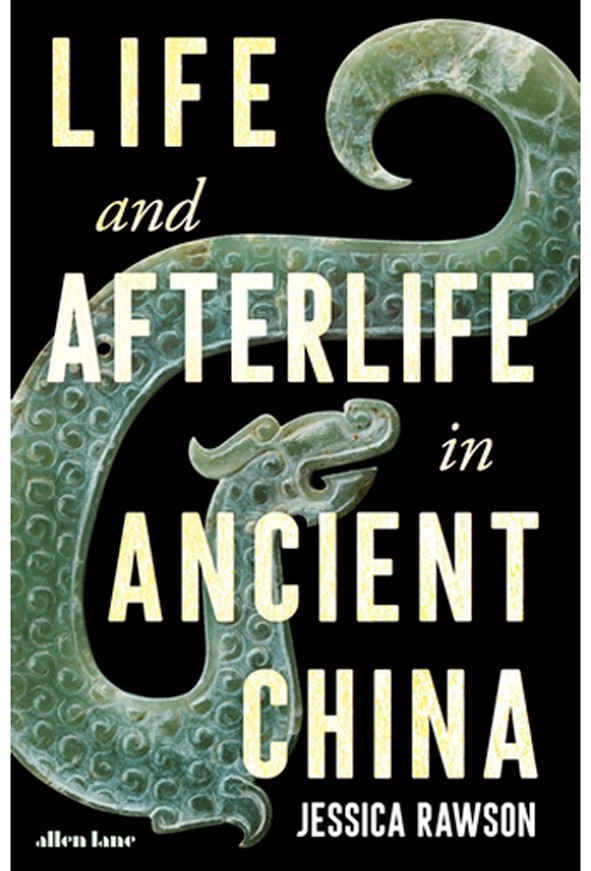
Life and Afterlife in Ancient China

By Jessica Rawson 

When constructing monumental tombs thousands of years ago, “the Egyptians built up” — with their pyramids — whereas “the Chinese built down”, writes sinologist Jessica Rawson. The geology of China’s dry Loess Plateau permitted the excavation of shafts more than 10 metres deep. These tombs were filled with objects for the afterlife. Rawson’s majestic history explores 11 such monuments and one large sacrificial deposit, dating from 5,000 years ago to the third century bc, with the First Emperor’s protective Terracotta Army.

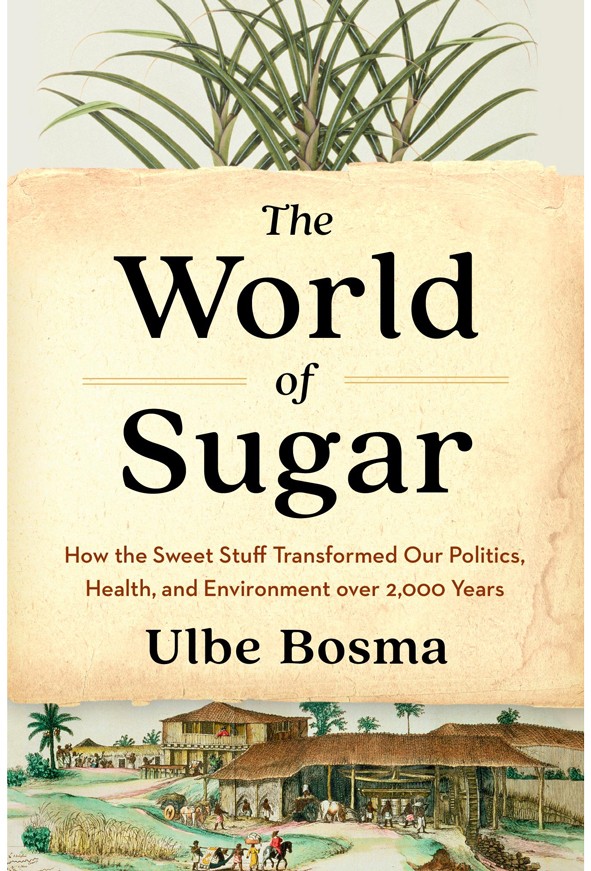
The World of Sugar

Ulbe Bosma 

Sugar’s societal dominance is a recent development. Granulated sugar was eaten from the sixth century bc in India, but refined sugar became widely available in Europe only in the nineteenth century. Its history is both a story of progress and a bitter-sweet tale of “exploitation, racism, obesity, and environmental destruction”, writes historian Ulbe Bosma in his authoritative, highly readable study — the first to be truly global. Of 12.5 million Africans kidnapped in the Atlantic slave trade, between half and two-thirds were enslaved on sugar plantations.

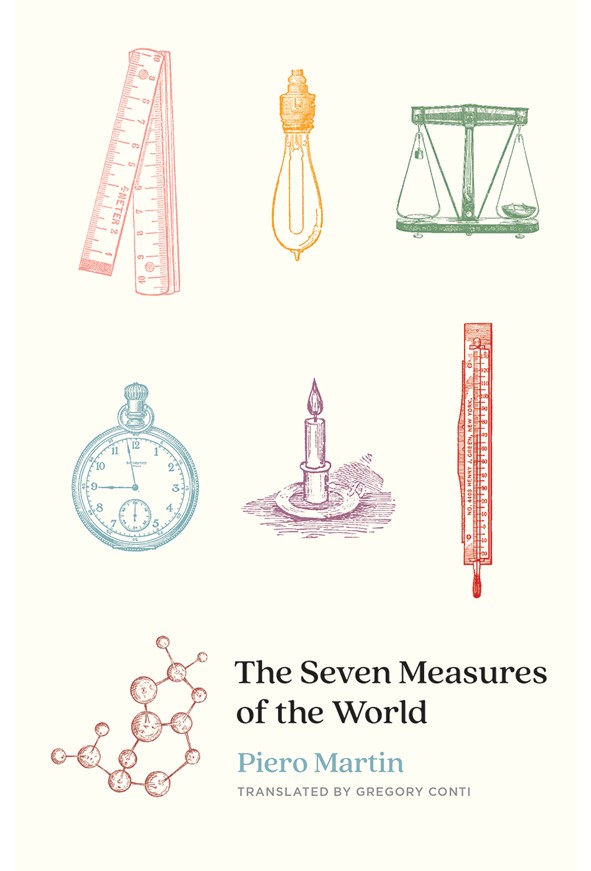
The Seven Measures of the World

Piero Martin (transl. Gregory Conti) 

The great civilizations of the ancient world could use precise measurements — witness the Egyptian pyramids. But their units differed. Not until 1960 was the international system of measurement (SI) introduced, defining the metre, second, kilogram, ampere, kelvin and candela — then the mole in 1971. Each gets a chapter in this concise, anecdotal history by experimental physicist Piero Martin. He stresses the subjective aspect of measurement, such as the idea that the quality of scientific publications matters more than their quantity.

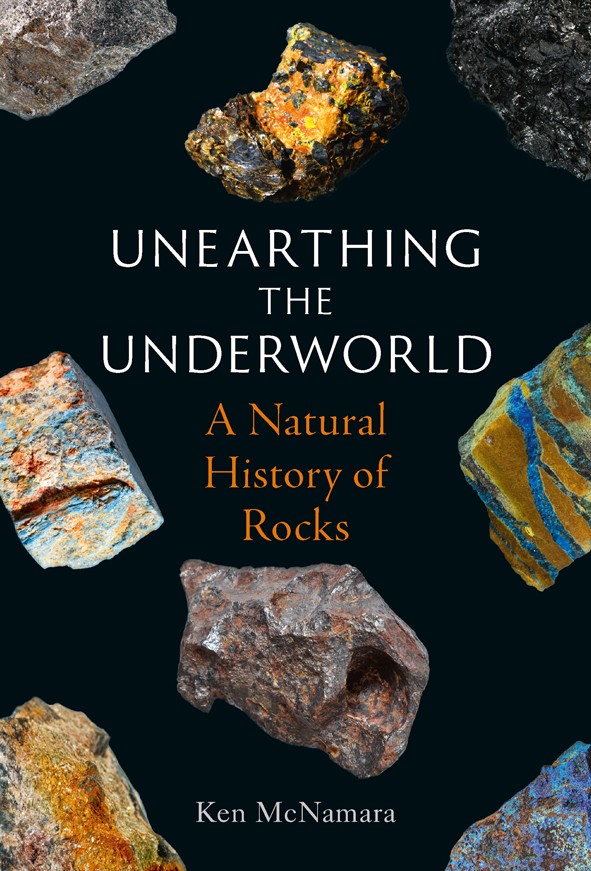
Unearthing the Underworld

By Ken McNamara 

Earth scientist Ken McNamara focuses on palaeontology and evolution. His appealing book about rocks and their lessons — illustrated with fine photographs of fossils — leaves aside igneous and metamorphic rocks, and the wonders of mineralogy. It concentrates instead on sedimentary rocks: mudstones, siltstones, sandstones and limestones, scattered over three-quarters of Earth’s surface in “endless piles”. As he jokily advises: “Ignore rocks at your peril.” But then surely continental drift deserved proper discussion?

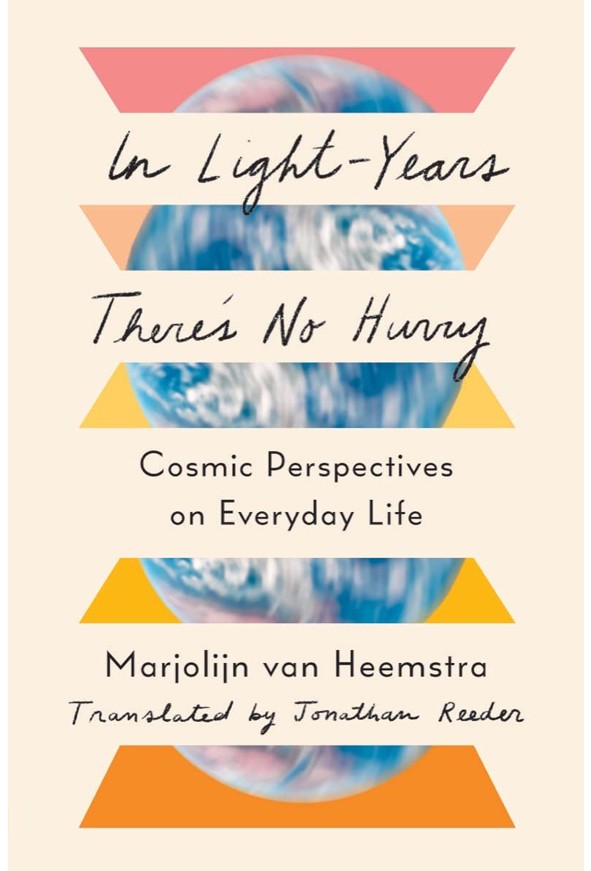
In Light-Years There’s No Hurry

Marjolijn van Heemstra (transl. Jonathan Reeder)

Dutch space reporter Marjolijn van Heemstra is also a poet, novelist and playwright. This translation of her highly personal meditation on the Universe reflects lyrically on the fact that the atmosphere “signifies a boundary”, whereas space “appeals to our notion of boundlessness”. She notes a growing difference of opinion between those who see space exploration as irresponsible because our planet is in deep trouble — environmental and otherwise — and those who regard space as a potential refuge from Earth.

Nature Reviews: Top New Science Books – June 2023

nature Magazine Science Book Reviews – June 23, 2023: The ocean’s engine, the science of reading, the mystery of moths… Andrew Robinson reviews five of the best science picks.

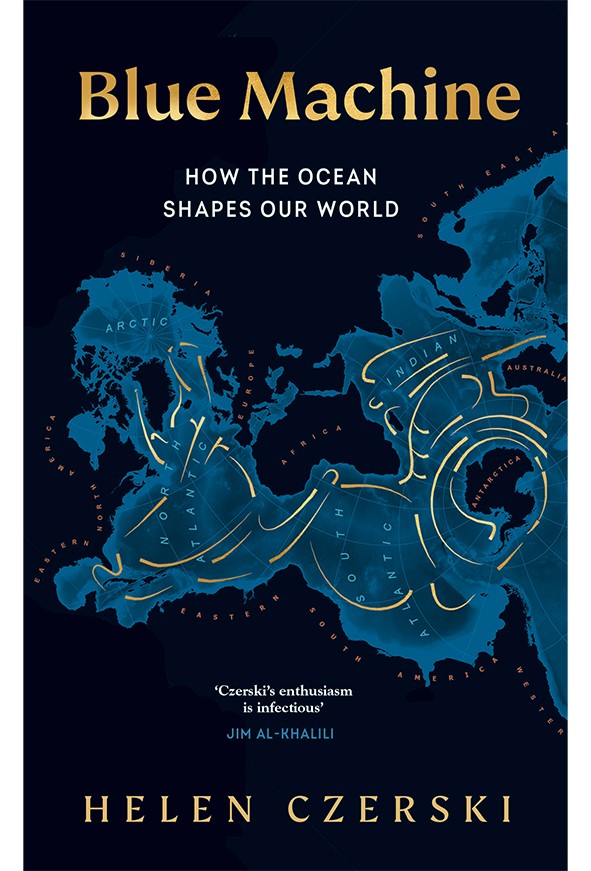
Blue Machine

By Helen Czerski (2023)

Few scientific subjects are so vast, and yet oceans “often seem invisible”, remarks physicist and broadcaster Helen Czerski; the workings of the seas got no mention in her physics training. Her profound, sparkling global ocean voyage mingles history and culture, natural history, geography, animals and people, to understand the “blue machine”: the ocean engine powered by sunlight that shunts energy from Equator to poles.

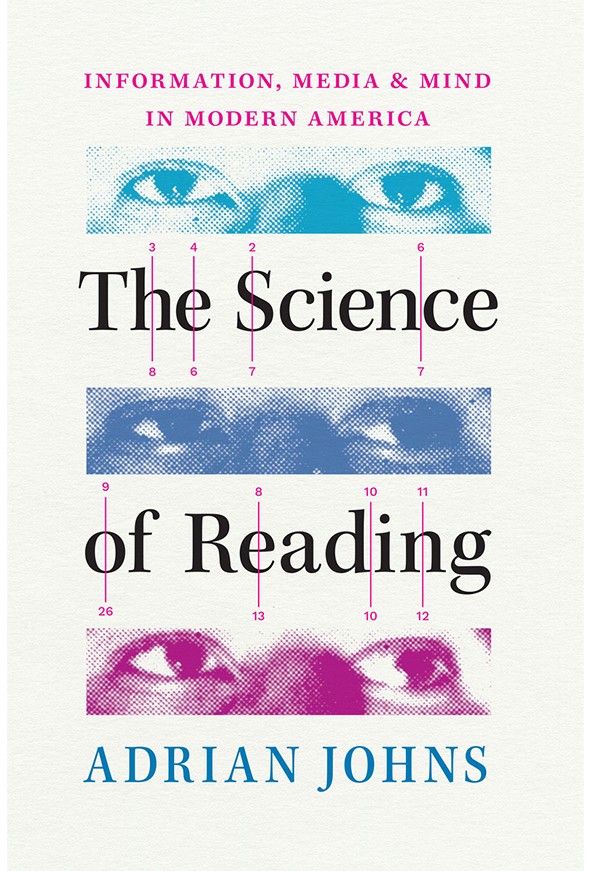
The Science of Reading

By Adrian Johns (2023)

Starting in the 1880s with US psychologist James Cattell, the experimental study of reading dealt in extremes, notes information historian Adrian Johns in his intriguing analysis. Researchers devised mechanical ways to measure quantities that were nearly imperceptible, such as pauses in motion as an eye scans prose. Today, scanners can measure brain activity, but the reading process remains mostly imponderable.

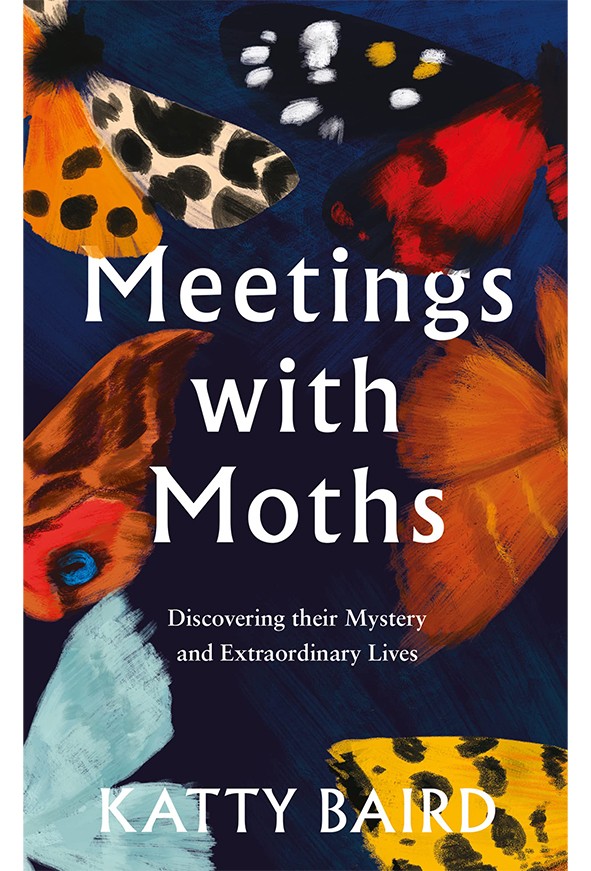
Meetings with Moths

By Katty Baird  (2023)

Ecologist Katty Baird’s fly-specialist friend grumbles that butterflies should be renamed ‘butter-moths’. Butterflies and moths belong to one order, and are not always easy to tell apart. However, most butterflies rest with wings shut, whereas resting moths display theirs. The garden tiger moth (Arctia caja), for example, has “forewings a mosaic of darkest brown and white which conceal shocking scarlet underwings spotted with denim blue”.

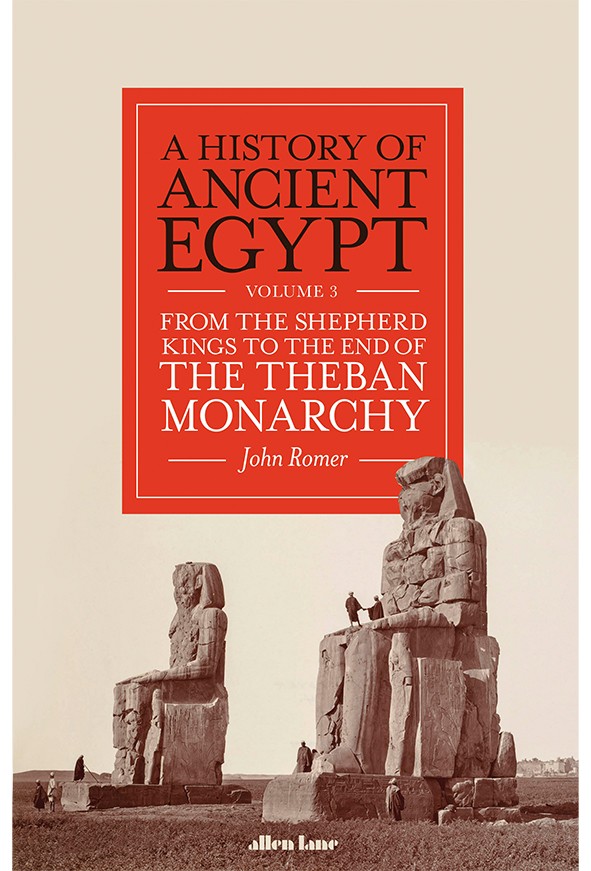
A History of Ancient Egypt, Volume 3

By John Romer (2023)

This deeply informed history by Egyptologist John Romer focuses on the New Kingdom, 1550–1185 bc, including rulers Nefertiti, Tutankhamun and Ramesses II: crucial figures in popular perception. Calling it the “most fantasized period in all of ancient history”, Romer criticizes much scholarship on the era for being “firmly stuck” in the nineteenth-century European vision of ancient Egypt, launched by Jean-François Champollion in the 1820s.

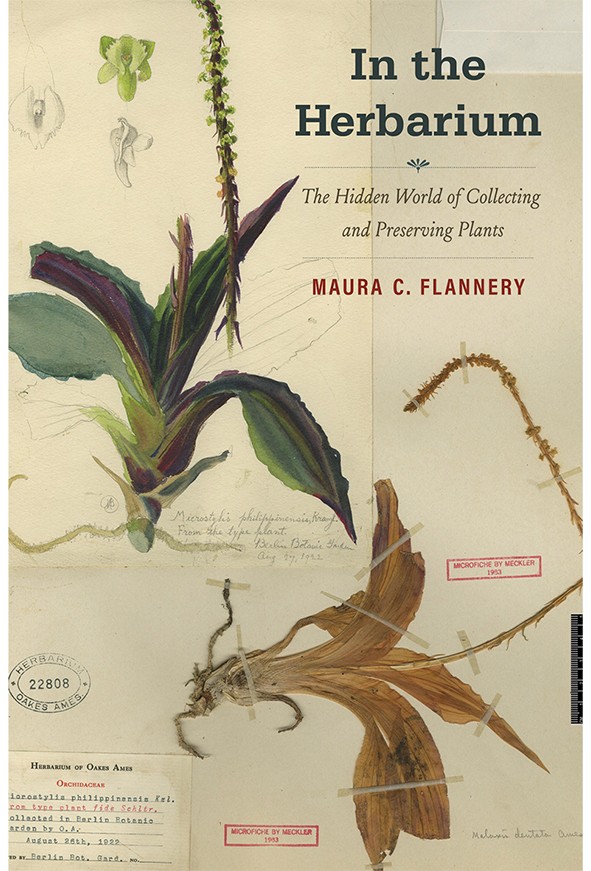
In the Herbarium

By Maura C. Flannery (2023)

London’s Royal Botanic Gardens at Kew are open to all. Not so Kew’s Herbarium, a collection of more than seven million plant specimens reserved for academic visitors. Access to most herbaria is restricted: biologist Maura Flannery knew “almost nothing” about them until 2010, when a US curator took her behind the scenes at one and she fell in love with them.