Tag Archives: Science Book Reviews

Nature Reviews: Top New Science Books – Fall 2024

nature Magazine Science Book Reviews – October 14, 2024: Andrew Robinson reviews five of the best science picks.

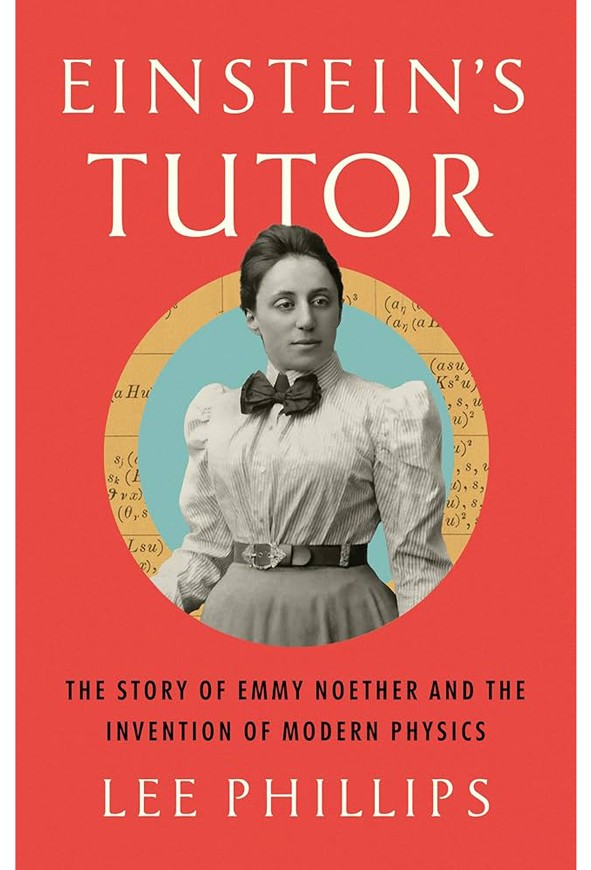
Einstein’s Tutor

Lee Phillips PublicAffairs (2024)

Major studies of Albert Einstein’s work contain minimal, if any, reference to the role of German mathematician Emmy Noether. Yet, she was crucial in resolving a paradox in general relativity through her theorem connecting symmetry and energy-conservation laws, published in 1918. When Noether died in 1935, Einstein called her “the most significant creative mathematical genius thus far produced since the higher education of women began”. In this book about her for the general reader, physicist Lee Phillips brings Noether alive.
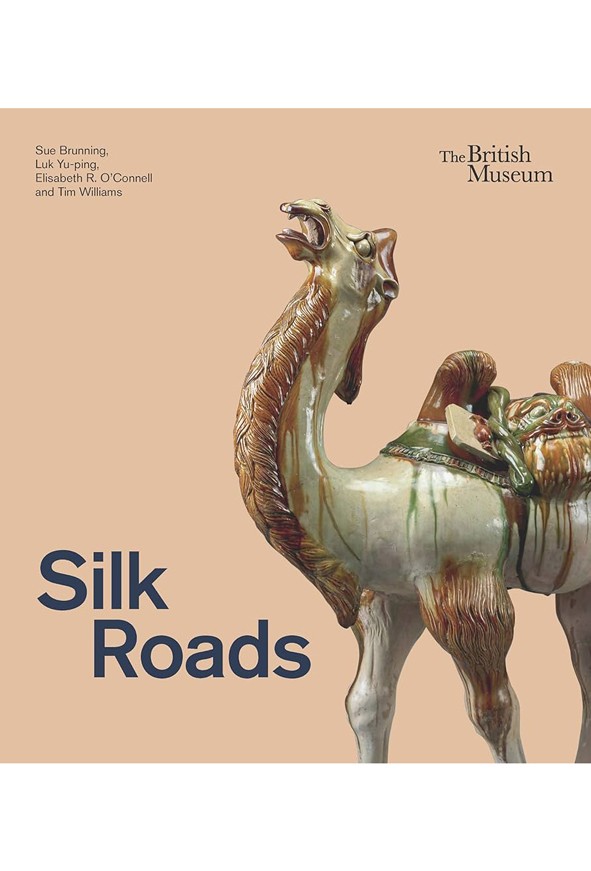
Silk Roads

Sue Brunning et alBritish Museum Press (2024)

The first object discussed in this lavishly illustrated British Museum exhibition book reveals the far-ranging, mysterious nature of the Silk Roads. It is a Buddha figure, excavated in Sweden from a site dated to around ad 800, and probably created in Pakistan two centuries earlier. No one knows how it reached Europe or its significance there. As the authors — three of them exhibition curators — admit, it is “impossible to capture the full extent and complexity of the Silk Roads in a single publication”— even by limiting their time frame to only five centuries.
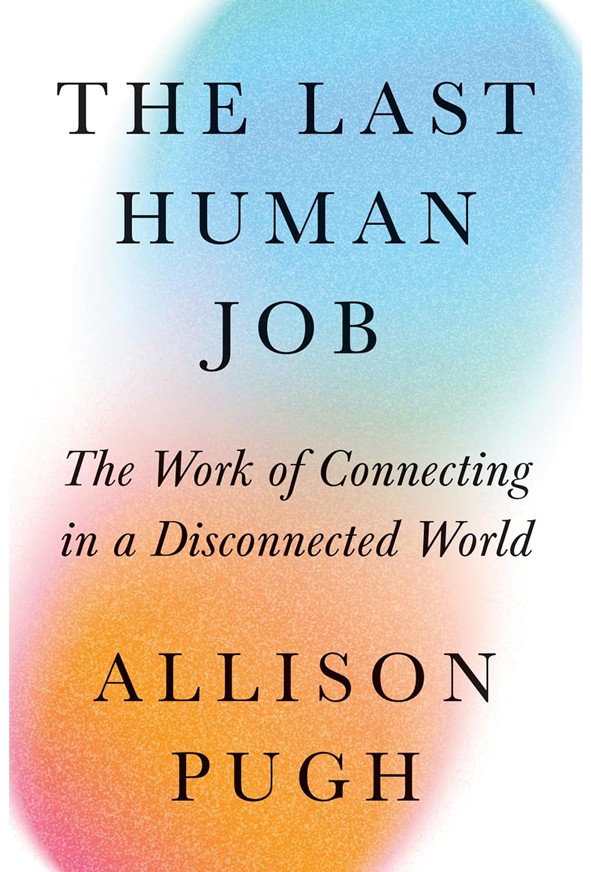
The Last Human Job

Allison Pugh Princeton Univ. Press (2024)

A century ago, notes sociologist Allison Pugh, people doing their food shopping gave lists to shop workers, who retrieved the goods then haggled over the prices. The process epitomized what she terms connective labour, which involves “an emotional understanding with another person to create the outcomes we think are important”. A healthy society requires more connective labour, not more automation, she argues in her engaging study, which observes and interviews physicians, teachers, chaplains, hairdressers and more.
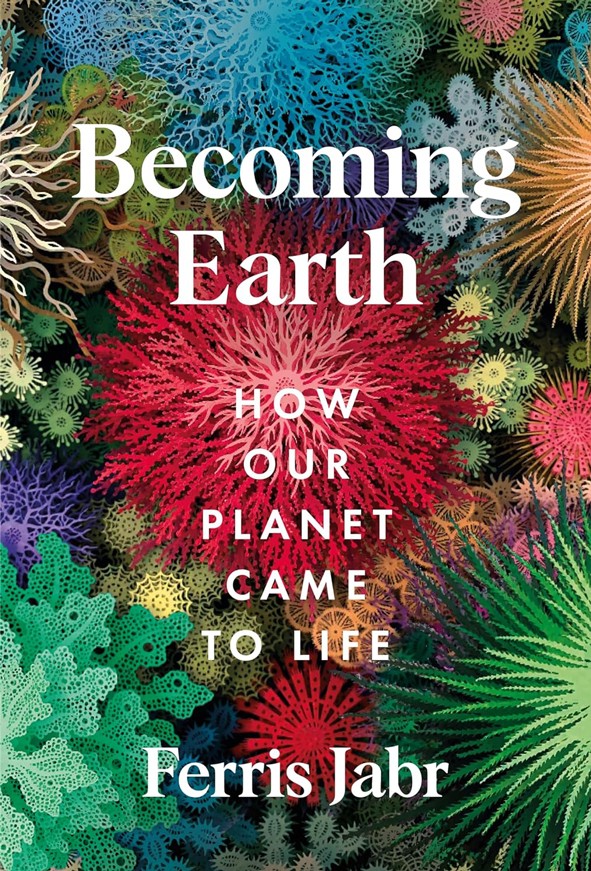
Becoming Earth

Ferris Jabr Random House (2024)

According to science journalist Ferris Jabr, his intriguing book about Earth — divided into three sections on rock, water and air — is “an exploration of how life has transformed the planet, a meditation on what it means to say that Earth itself is alive”. If this definition sounds similar to the Gaia hypothesis by chemist James Lovelock and biologist Lynn Margulis, that is welcome to Jabr, who admires Lovelock as a thinker and personality. He also recognizes how the 1970s hypothesis, which evolved over decades, still divides scientists.
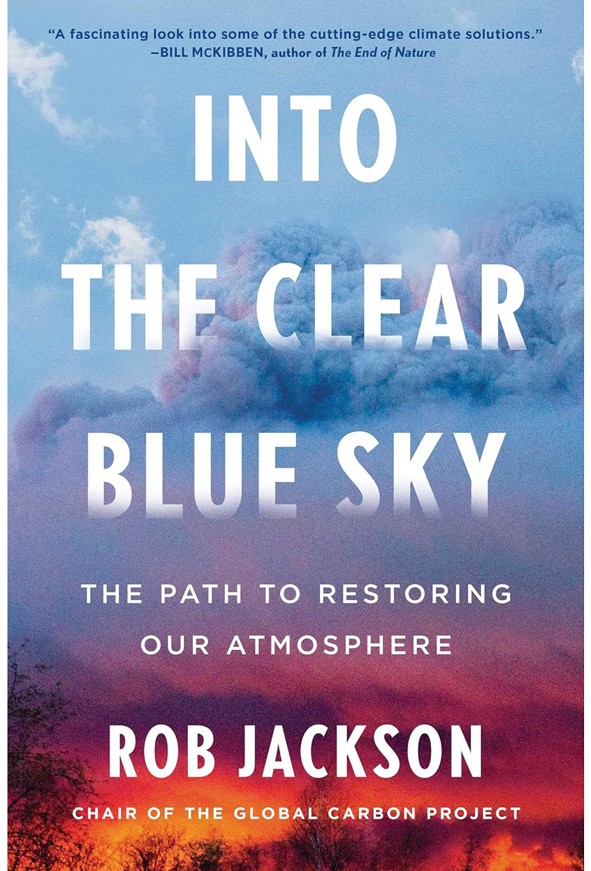
Into the Clear Blue Sky

Rob Jackson Scribner (2024)

Earth scientist Rob Jackson chairs the Global Carbon Project, which works to reduce greenhouse-gas emissions and improve air and water quality. His book begins hopefully on a visit to Rome, where Vatican Museums conservators discuss the “breathtaking” restoration of the blue sky in Michelangelo’s fresco The Last Judgement, damaged by centuries of grime and visitors’ exhalations. But he ends on a deeply pessimistic note on a research boat in Amazonia, which is suffering from both floods and fires: the “Hellocene”.
Nature Reviews: Top New Science Books – Fall 2024

Nature

nature Magazine Science Book Reviews – September 27, 2024: Andrew Robinson reviews five of the best science picks.

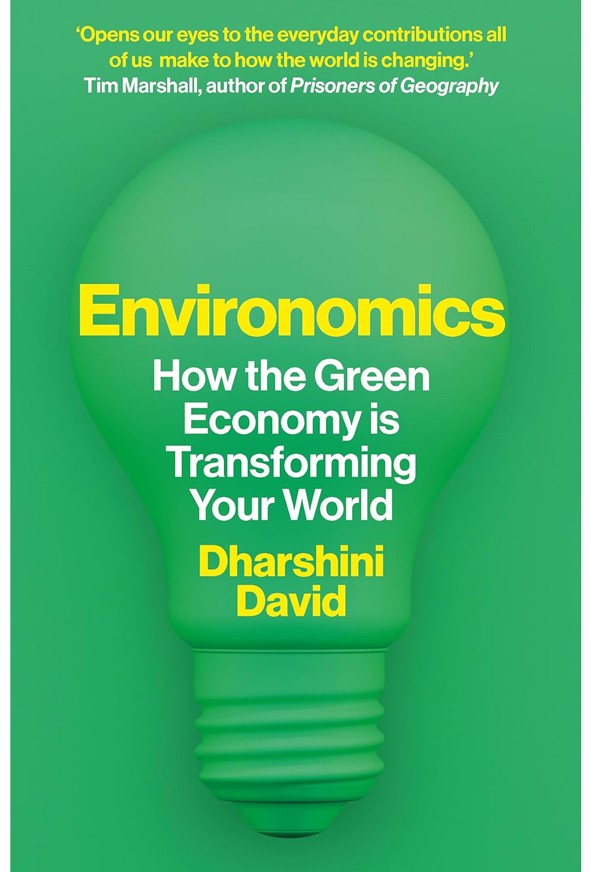
Environomics

By Dharshini David 

Why should an orangutan care what toothpaste a person uses, asks economist Dharshini David, in her appealing book about how human lifestyle choices affect the planet. Answer: some toothpastes use palm oil to create foam, whereas others don’t, and palm-oil production requires the clearing of tropical forests, eliminating the habitats of creatures such as orangutans. “Nearly every issue that affects the environment comes down, in some way, to what someone, somewhere, is doing to make (or save) money,” she writes.

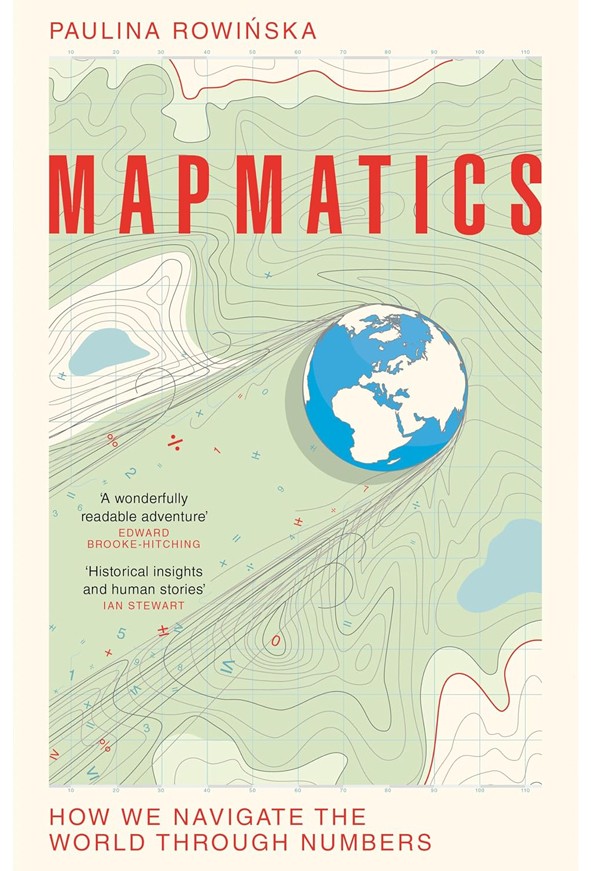
Mapmatics

By Paulina Rowińska 

From world maps designed by geographer Gerardus Mercator for marine navigation in the sixteenth century to online maps created by Google for self-driving cars in the twenty-first century, maps rely on mathematics. “While different on the surface, the jobs of a mathematician and a cartographer are surprisingly similar,” writes mathematician Paulina Rowińska in her engaging and original history of ‘mapmatics’. Indeed, maps not only depend on mathematics but have also inspired many mathematical breakthroughs.

The Arts and Computational Culture

By Tula Giannini & Jonathan P. Bowen 

This substantial, topical collection on the arts and computing, edited by information scientist Tula Giannini and computer scientist Jonathan Bowen, begins with polymath Leonardo da Vinci’s blending of art and science and ends with a survey of modern art exhibitions that involve computing. As the editors write, “facilitated by computing, artificial intelligence, machine learning, algorithms, and simulated human senses, the arts are expanding their horizons”. Perhaps AI will eventually stand also for Artistic Imagination?

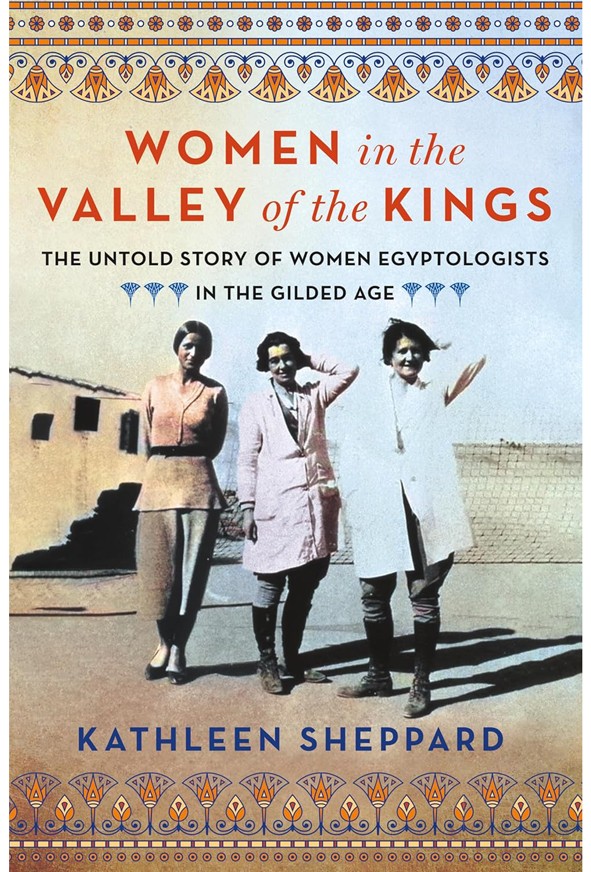
Women in the Valley of the Kings

By Kathleen Sheppard

Discussions of Egyptologists tend to focus on men — for example, Howard Carter, who excavated Tutankhamun’s tomb in 1922. Yet, women played an important part in Egyptology, as historian Kathleen Sheppard describes. She begins in the 1870s with Marianne Brocklehurst and Amelia Edwards’s A Thousand Miles up the Nile, and ends with Caroline Ransom Williams’s death in 1952. Lacking permission to find artefacts, these women “acquired, organized and maintained” the world’s largest collections of Egyptian objects.

This Ordinary Stardust

By Alan Townsend

Alan Townsend, dean of the college of forestry and conservation at the University of Montana in Missoula, calls himself a biogeochemist. This field can teach us, he remarks, about cornfields, fertilizers, lake colours, sea life and even planetary warming. It can also “nurture the soul”. He learnt this truth when both his beloved wife and four-year-old daughter fell ill with brain cancer, and only the child recovered. His moving memoir describes how scientific wonder rescued him from appalling grief and suicidal thoughts.

Nature Reviews: Top New Science Books – AUG 2023

nature Magazine Science Book Reviews – August 4, 2023: The bitter-sweet history of sugar, and the marvels of measurement. Andrew Robinson reviews five of the best science picks.

Life and Afterlife in Ancient China

By Jessica Rawson 

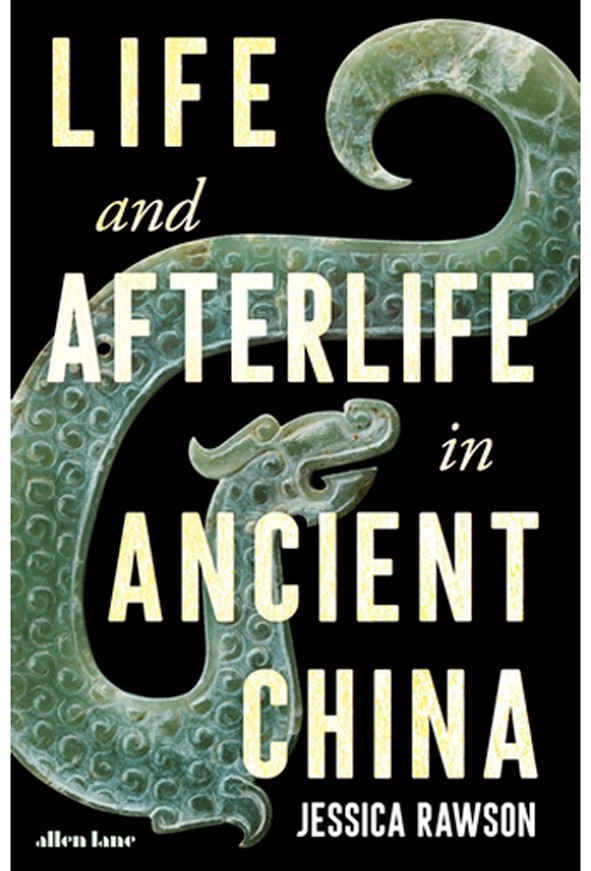
When constructing monumental tombs thousands of years ago, “the Egyptians built up” — with their pyramids — whereas “the Chinese built down”, writes sinologist Jessica Rawson. The geology of China’s dry Loess Plateau permitted the excavation of shafts more than 10 metres deep. These tombs were filled with objects for the afterlife. Rawson’s majestic history explores 11 such monuments and one large sacrificial deposit, dating from 5,000 years ago to the third century bc, with the First Emperor’s protective Terracotta Army.

The World of Sugar

Ulbe Bosma 

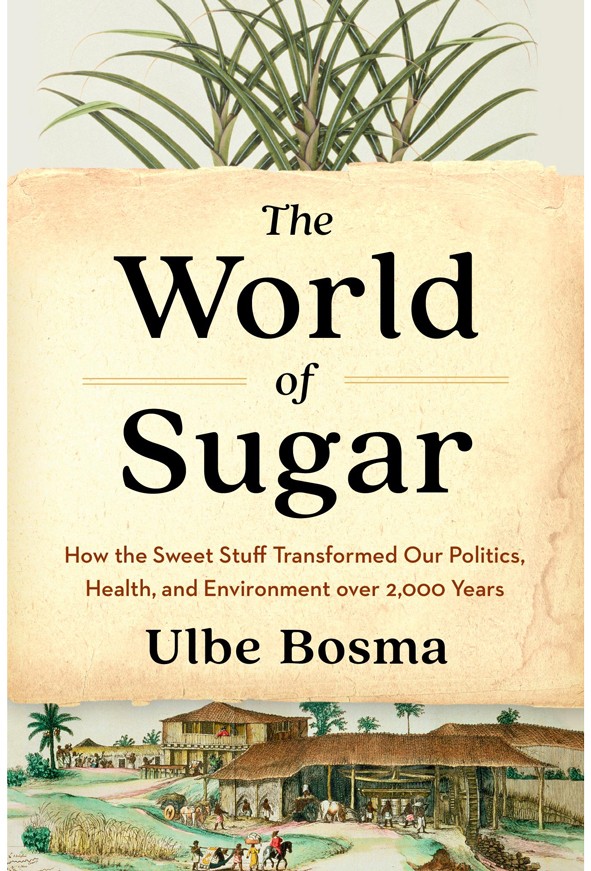
Sugar’s societal dominance is a recent development. Granulated sugar was eaten from the sixth century bc in India, but refined sugar became widely available in Europe only in the nineteenth century. Its history is both a story of progress and a bitter-sweet tale of “exploitation, racism, obesity, and environmental destruction”, writes historian Ulbe Bosma in his authoritative, highly readable study — the first to be truly global. Of 12.5 million Africans kidnapped in the Atlantic slave trade, between half and two-thirds were enslaved on sugar plantations.

The Seven Measures of the World

Piero Martin (transl. Gregory Conti) 

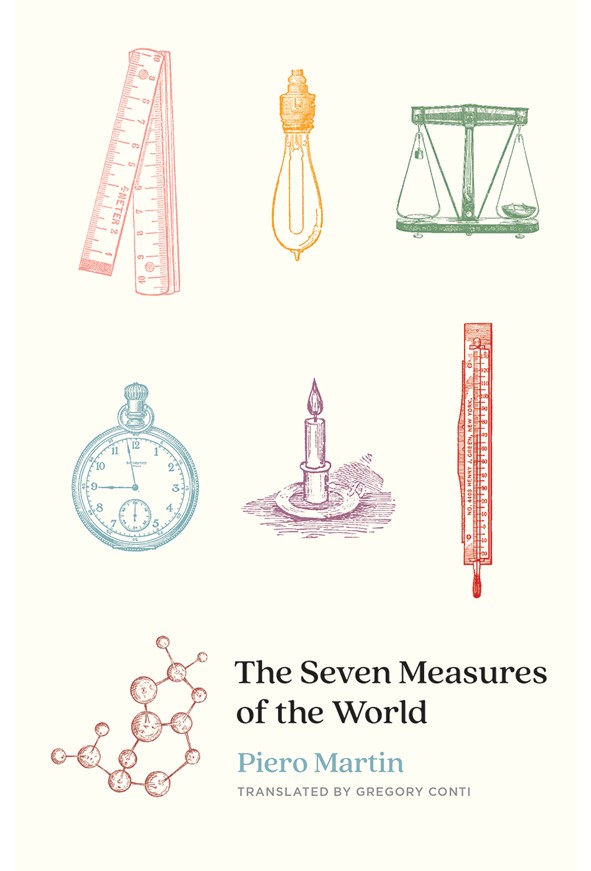
The great civilizations of the ancient world could use precise measurements — witness the Egyptian pyramids. But their units differed. Not until 1960 was the international system of measurement (SI) introduced, defining the metre, second, kilogram, ampere, kelvin and candela — then the mole in 1971. Each gets a chapter in this concise, anecdotal history by experimental physicist Piero Martin. He stresses the subjective aspect of measurement, such as the idea that the quality of scientific publications matters more than their quantity.

Unearthing the Underworld

By Ken McNamara 

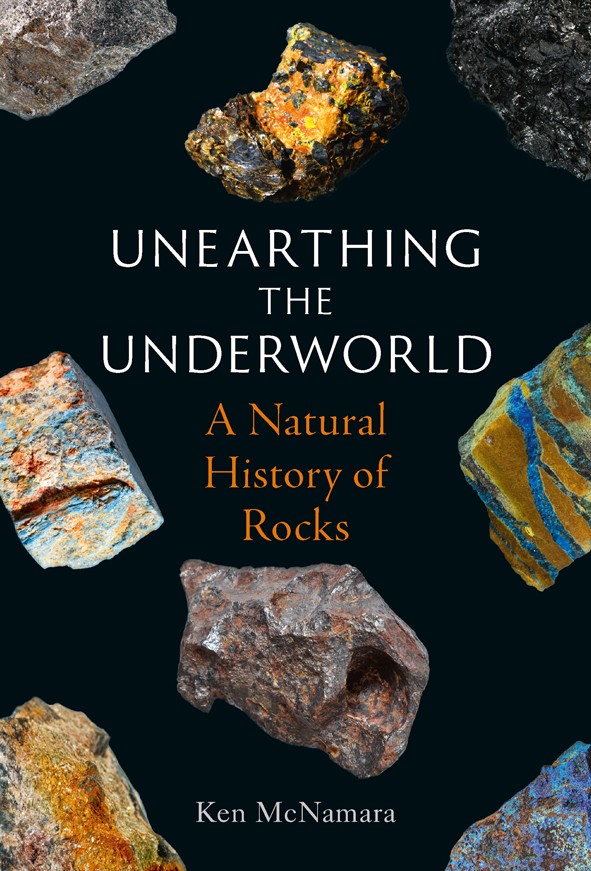
Earth scientist Ken McNamara focuses on palaeontology and evolution. His appealing book about rocks and their lessons — illustrated with fine photographs of fossils — leaves aside igneous and metamorphic rocks, and the wonders of mineralogy. It concentrates instead on sedimentary rocks: mudstones, siltstones, sandstones and limestones, scattered over three-quarters of Earth’s surface in “endless piles”. As he jokily advises: “Ignore rocks at your peril.” But then surely continental drift deserved proper discussion?

In Light-Years There’s No Hurry

Marjolijn van Heemstra (transl. Jonathan Reeder)

Dutch space reporter Marjolijn van Heemstra is also a poet, novelist and playwright. This translation of her highly personal meditation on the Universe reflects lyrically on the fact that the atmosphere “signifies a boundary”, whereas space “appeals to our notion of boundlessness”. She notes a growing difference of opinion between those who see space exploration as irresponsible because our planet is in deep trouble — environmental and otherwise — and those who regard space as a potential refuge from Earth.

Nature Reviews: Top New Science Books – June 2023

nature Magazine Science Book Reviews – June 23, 2023: The ocean’s engine, the science of reading, the mystery of moths… Andrew Robinson reviews five of the best science picks.

Blue Machine

By Helen Czerski (2023)

Few scientific subjects are so vast, and yet oceans “often seem invisible”, remarks physicist and broadcaster Helen Czerski; the workings of the seas got no mention in her physics training. Her profound, sparkling global ocean voyage mingles history and culture, natural history, geography, animals and people, to understand the “blue machine”: the ocean engine powered by sunlight that shunts energy from Equator to poles.

The Science of Reading

By Adrian Johns (2023)

Starting in the 1880s with US psychologist James Cattell, the experimental study of reading dealt in extremes, notes information historian Adrian Johns in his intriguing analysis. Researchers devised mechanical ways to measure quantities that were nearly imperceptible, such as pauses in motion as an eye scans prose. Today, scanners can measure brain activity, but the reading process remains mostly imponderable.

Meetings with Moths

By Katty Baird  (2023)

Ecologist Katty Baird’s fly-specialist friend grumbles that butterflies should be renamed ‘butter-moths’. Butterflies and moths belong to one order, and are not always easy to tell apart. However, most butterflies rest with wings shut, whereas resting moths display theirs. The garden tiger moth (Arctia caja), for example, has “forewings a mosaic of darkest brown and white which conceal shocking scarlet underwings spotted with denim blue”.
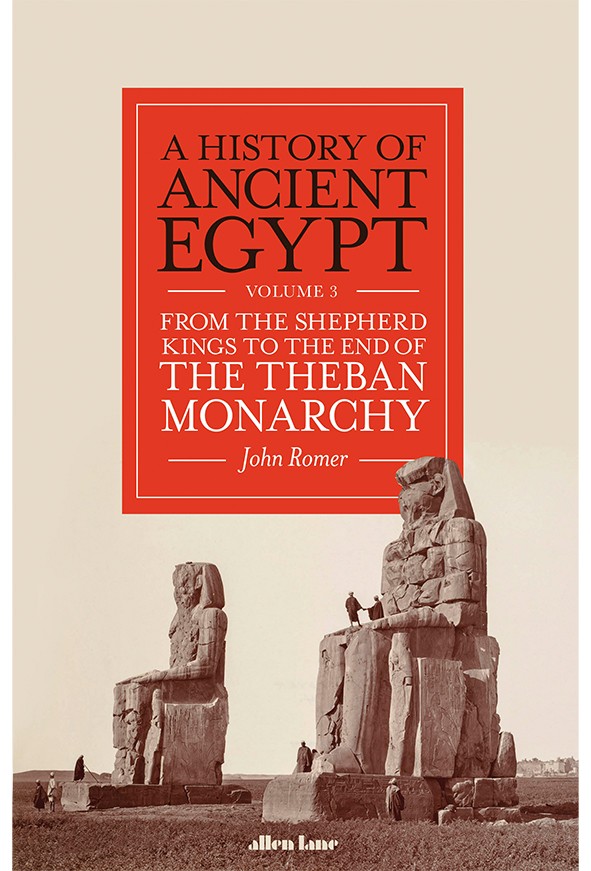
A History of Ancient Egypt, Volume 3

By John Romer (2023)

This deeply informed history by Egyptologist John Romer focuses on the New Kingdom, 1550–1185 bc, including rulers Nefertiti, Tutankhamun and Ramesses II: crucial figures in popular perception. Calling it the “most fantasized period in all of ancient history”, Romer criticizes much scholarship on the era for being “firmly stuck” in the nineteenth-century European vision of ancient Egypt, launched by Jean-François Champollion in the 1820s.

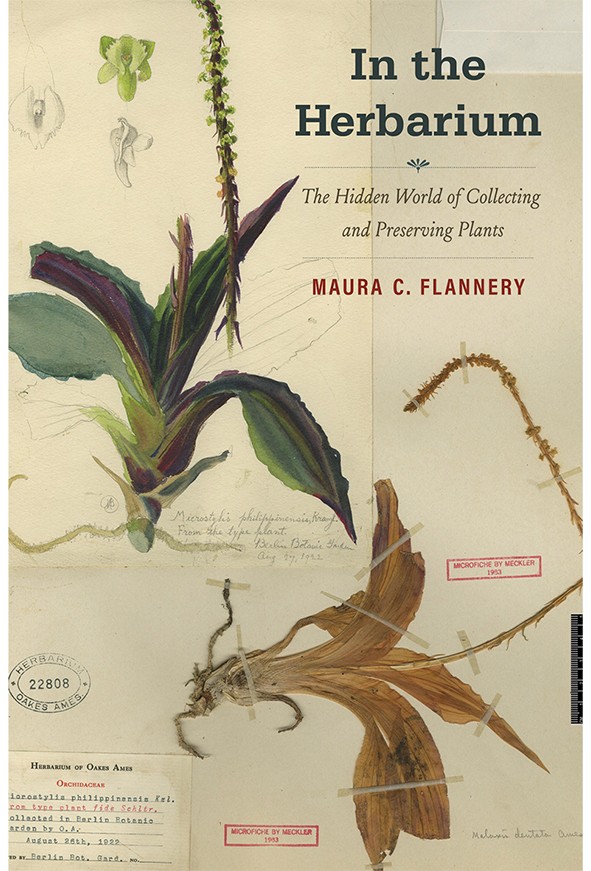
In the Herbarium

By Maura C. Flannery (2023)

London’s Royal Botanic Gardens at Kew are open to all. Not so Kew’s Herbarium, a collection of more than seven million plant specimens reserved for academic visitors. Access to most herbaria is restricted: biologist Maura Flannery knew “almost nothing” about them until 2010, when a US curator took her behind the scenes at one and she fell in love with them.

Nature Reviews: Top New Science Books – June 2023

nature Magazine Science Book Reviews – June 2, 2023: The mortality revolution, and the myth of the market. Andrew Robinson reviews five of the best science picks.

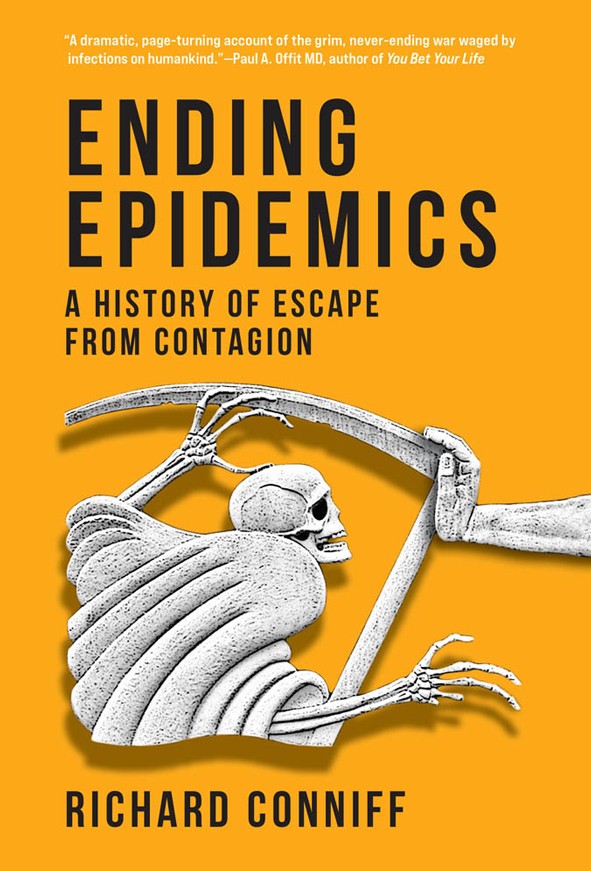
Ending Epidemics

Richard Conniff MIT Press (2023)

In 1900, one in three people died before the age of five. By 2000, this death rate was down to one in 27, and one in 100 in wealthy countries. This astonishing revolution has attracted surprisingly little attention, notes Richard Conniff. Instead, there is a “stubborn, stupid sense that we have somehow become invulnerable” — epitomized by opposition to vaccines. Conniff’s highly readable history of epidemic diseases and vaccinologists, from the first description of bacteria in 1676 to the eradication of smallpox in 1978, combats this worrying vulnerability.

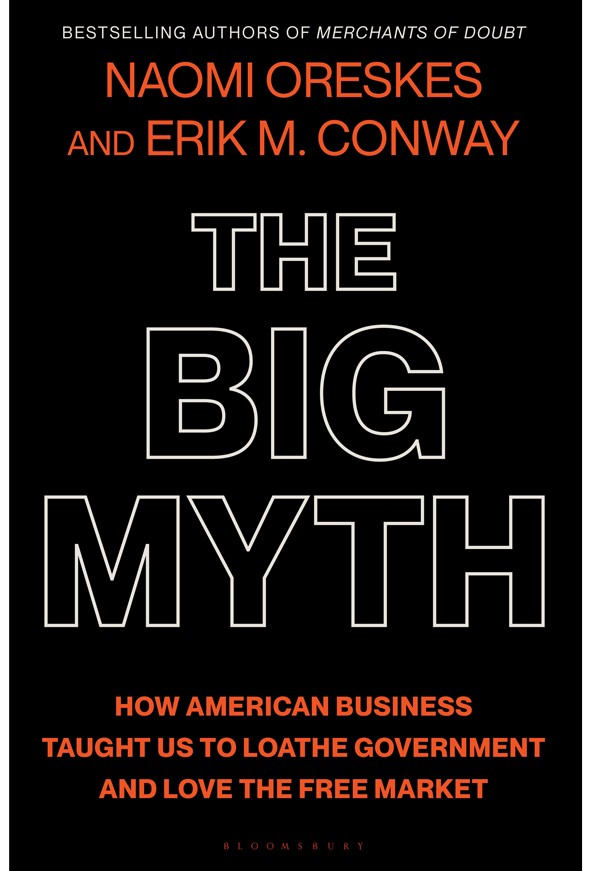
The Big Myth

Naomi Oreskes & Erik M. Conway  Bloomsbury  (2023)

Free enterprise is not in the US Constitution. The government was deeply involved in the US economy in the nineteenth century; its success led many to be suspicious of ‘big business’ and support government intervention. But commerce later came to dominate, as advocated by Ronald Reagan, through manipulation by businesses and some economists and scientists. In this hard-hitting, persuasive book, historians of science Naomi Oreskes and Erik Conway tell “the true history of a false idea” — that of “the magic of the marketplace”.
Moving Crops and the Scales of History

Francesca Bray et alYale Univ. Press  (2023)

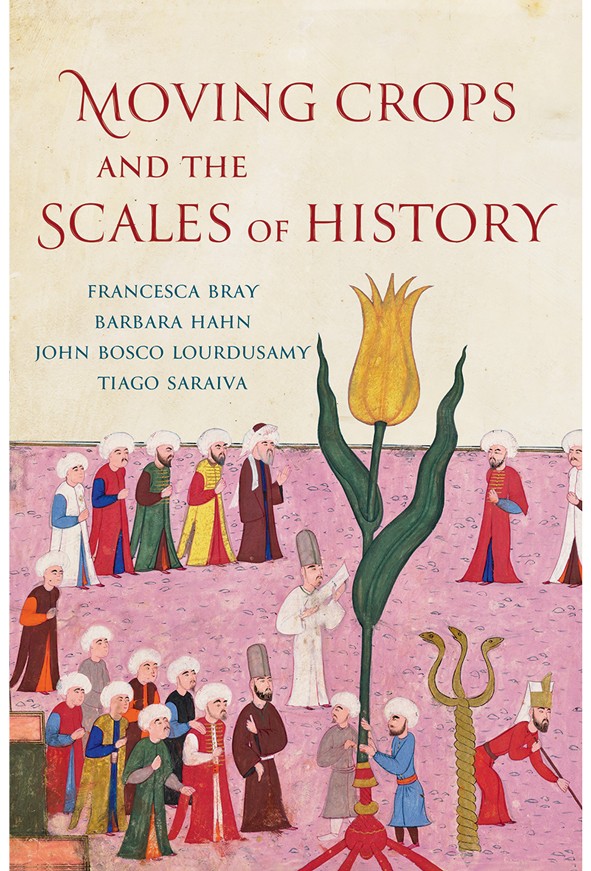
Movement of crops by humans is “a key driving force in history”, notes this global academic study by an anthropologist and three historians in Europe, India and the United States. In the 1830s, British merchants smuggled tea plants from China to set up plantations in India — but then replaced them in the 1870s with indigenous bushes. Indian competition prompted the Chinese industry to reorient to other markets. The book therefore focuses on “cropscapes”: the people, creatures, technologies, ideas and places surrounding a crop.

Ghost Particle

Alan Chodos & James Riordan MIT Press (2023)

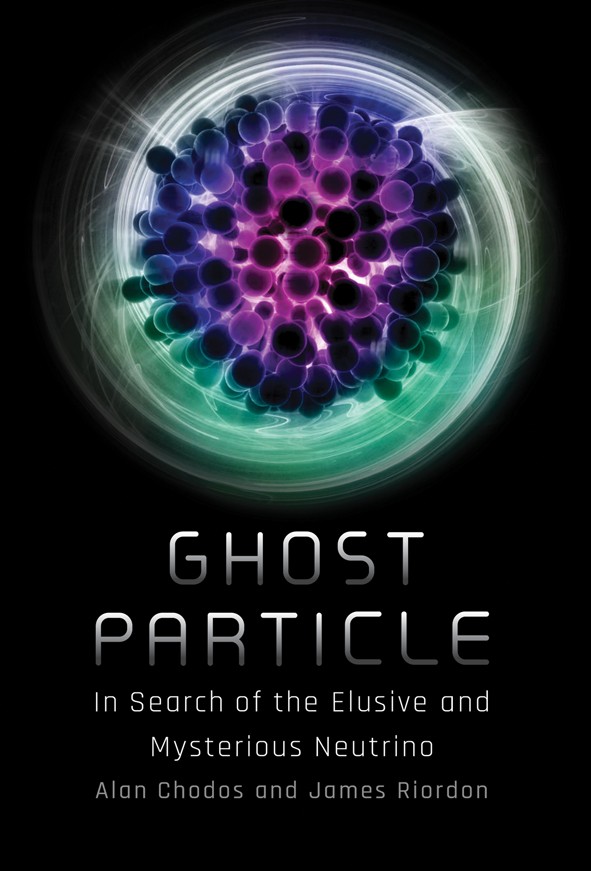
Proposed by Wolfgang Pauli in 1930, detected by Clyde Cowan and Frederick Reines in 1956 and dubbed the “nothing-particle” by Isaac Asimov in 1966, neutrinos — first created in the Big Bang — are still highly mysterious, despite endless experimental investigation. Hence their current nickname of ‘ghost particle’ — the title of physicist Alan Chodos and journalist James Riordan’s enjoyable, non-mathematical portrait. “You have over 300 Big Bang neutrinos in the tip of your pinky at this moment,” they write.

Corpus of Indus Seals and Inscriptions 3.3

Eds Asko Parpola & Petteri Koskikallio  Suomalainen Tiedeakatemia  (2022)

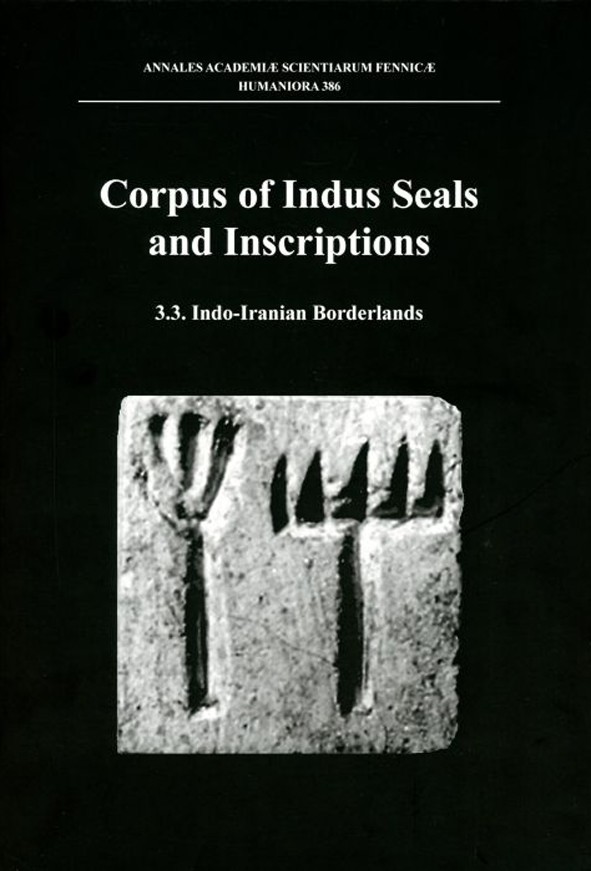
The Indus civilization of around 2500–1900 BC was huge, with sophisticated cities, long-distance trade and no known internal warfare. But perhaps most remarkable is its exquisite system of writing on stone and terracotta, undeciphered by modern scholars despite more than a century of effort. In 1987, Indologist Asko Parpola launched a fascinating series of catalogues of Indus seals and inscriptions. The latest shows discoveries in the “Indo-Iranian Borderlands”: western Pakistan, Afghanistan, Uzbekistan, Tajikistan and China.

Nature Reviews: Top New Science Books – May 2023

nature Magazine Science Book Reviews – May 15, 2023: Prejudice in technology, and the necessity of time. Andrew Robinson reviews five of the best science picks.

More Than a Glitch

Meredith Broussard – MIT Press (2023)

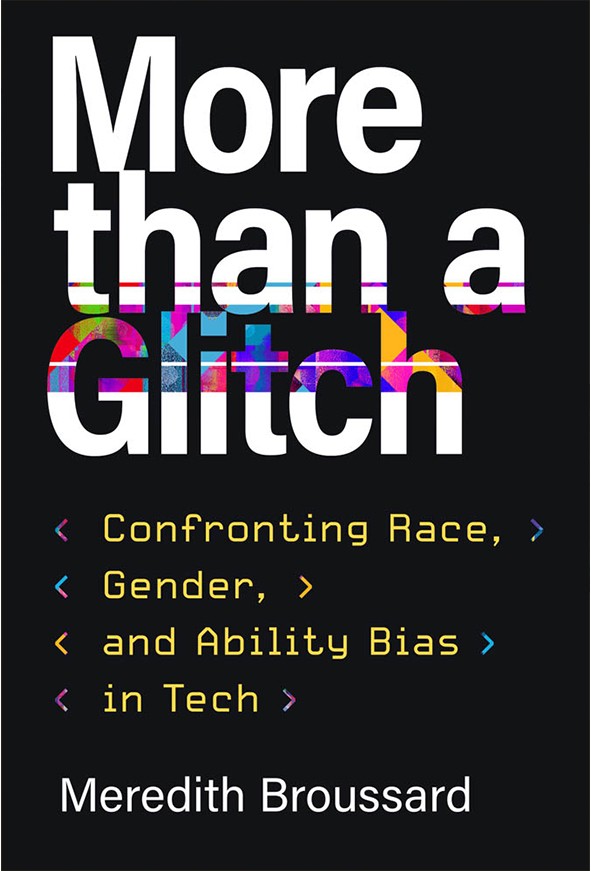
An artificial-intelligence (AI) ‘glitch’ is a problem neither expected nor consequential. Bias, by contrast, is baked in and disastrous, argues data scientist Meredith Broussard, one of very few Black women in this field, who focuses on AI and journalism. “Tech is racist and sexist and ableist because the world is so,” she says. Vivid examples in her disturbing book include that of a man arrested by US police using facial-recognition technology — purely because both he and the suspect in a blurry surveillance photo were Black.

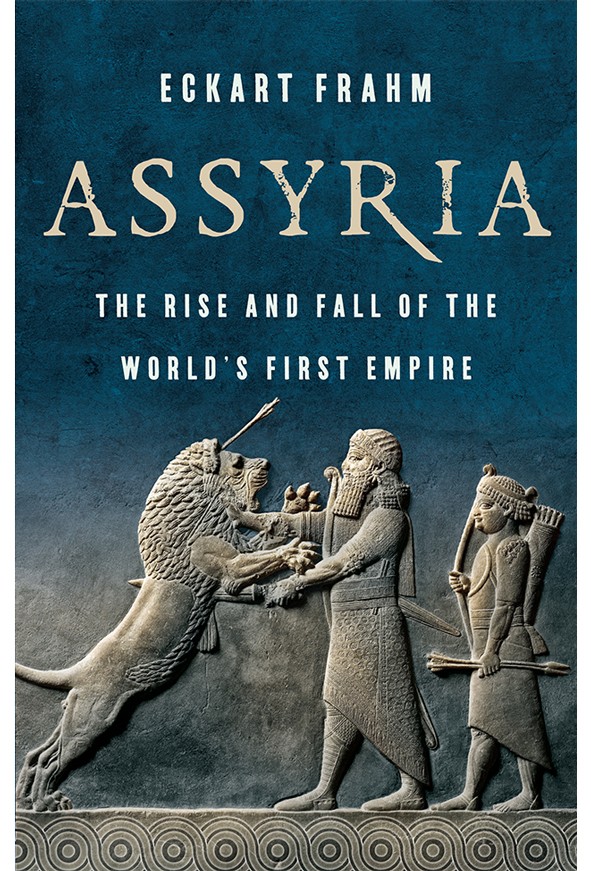
Assyria

Eckart Frahm – Basic (2023)

The world’s first empire flourished in Assyria in the eighth and seventh centuries bc, and has long been seen as the epitome of barbarism. But, as Assyriologist Eckart Frahm reveals in his deeply informed, challenging history, Assyria produced many features of the modern world. Its innovations included long-distance trade, sophisticated communications networks, mass deportations and widespread political surveillance. Unlike most later empires, he writes, it was at least honest in its “open celebration of plunder, torture, and murder”.

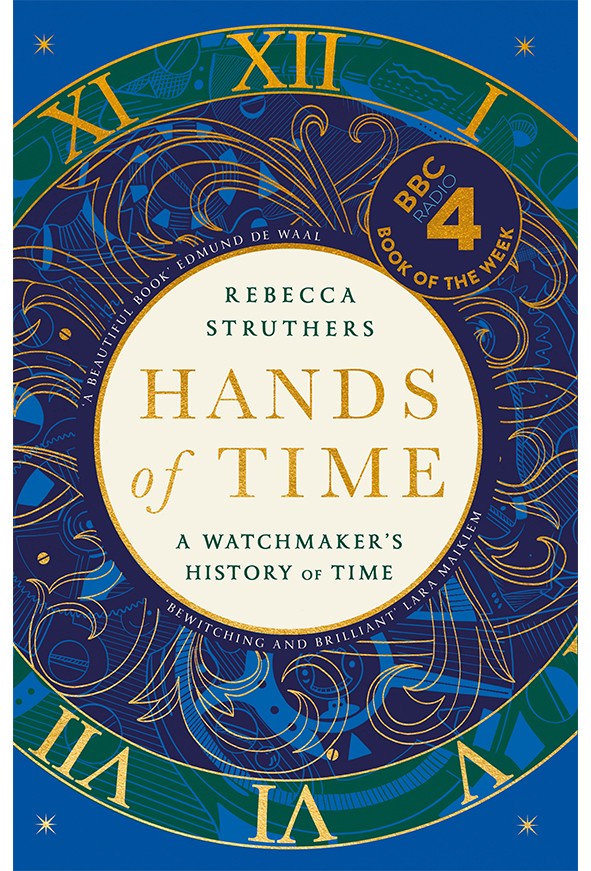
Hands of Time

Rebecca Struthers –  Hodder & Stoughton (2023)

‘Time’ is “the most commonly used noun” in English, according to Rebecca Struthers, the first professional watchmaker in the United Kingdom to earn a PhD in horology. Each chapter of her exquisitely crafted history explores a pivotal moment in watchmaking from the past 500 years. Mechanical timekeepers, she argues, have influenced human culture as much as the printing press. Imagine trying to catch a train by depending on the Sun’s position, or to perform an organ transplant without measuring the patient’s heart rate precisely.

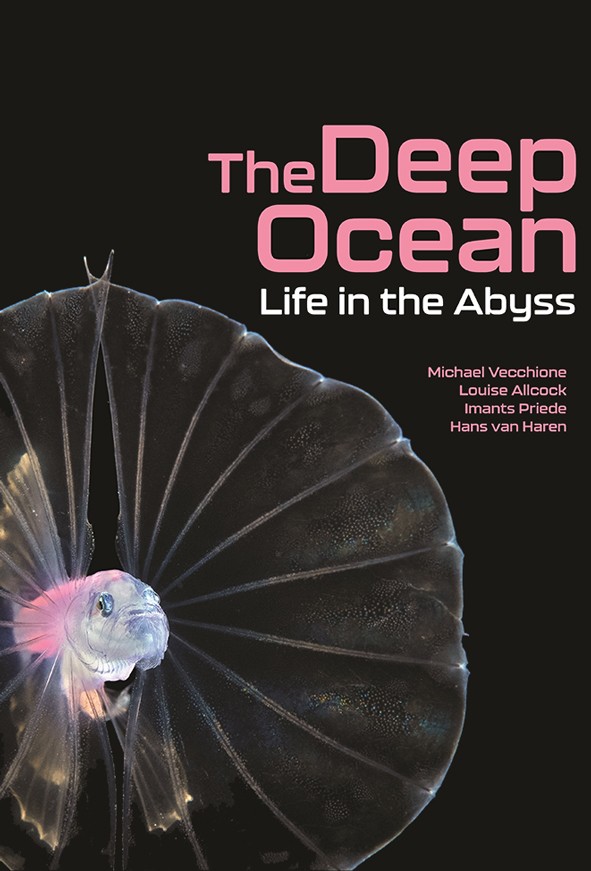
The Deep Ocean

Michael Vecchione et al. Princeton Univ. Press (2023)

“For most people, the deep ocean is out of sight and out of mind,” write three zoologists and an oceanographer. The zone starts where penetration of sunlight can no longer support photosynthesis, about 200 metres down. This guidebook dissipates ignorance with superb colour photographs of astonishing organisms, accompanied by detailed captions and brief essays. For example, the vampire squid (Vampyroteuthis infernalis) is neither vampire nor squid, but was so named because its black ‘cloak’ reminded scientists of Dracula.

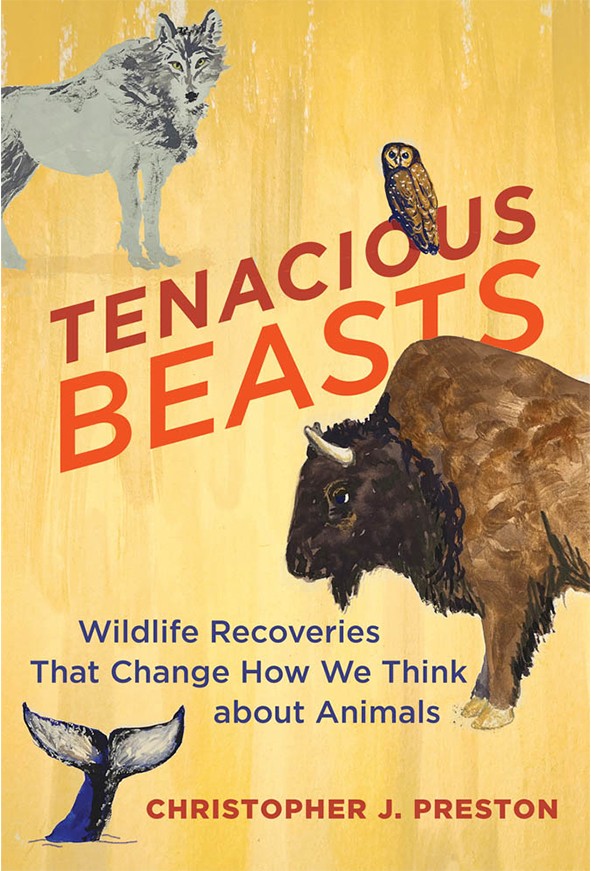
Tenacious Beasts

Christopher J. Preston –  MIT Press (2023)

Humans and domestic animals make up 96% of the mass of the world’s mammals. The outlook for wildlife “remains dire”, writes philosopher Christopher Preston. But he describes signs of hope in his well-travelled, thoughtful study of recoveries. Populations of humpback whales in the western Indian Ocean have surged since the mid-twentieth century; those of Californian black bears have quadrupled in a few decades. He visits farmland, prairie, river, forest and ocean, exploring why only certain species are recovering.

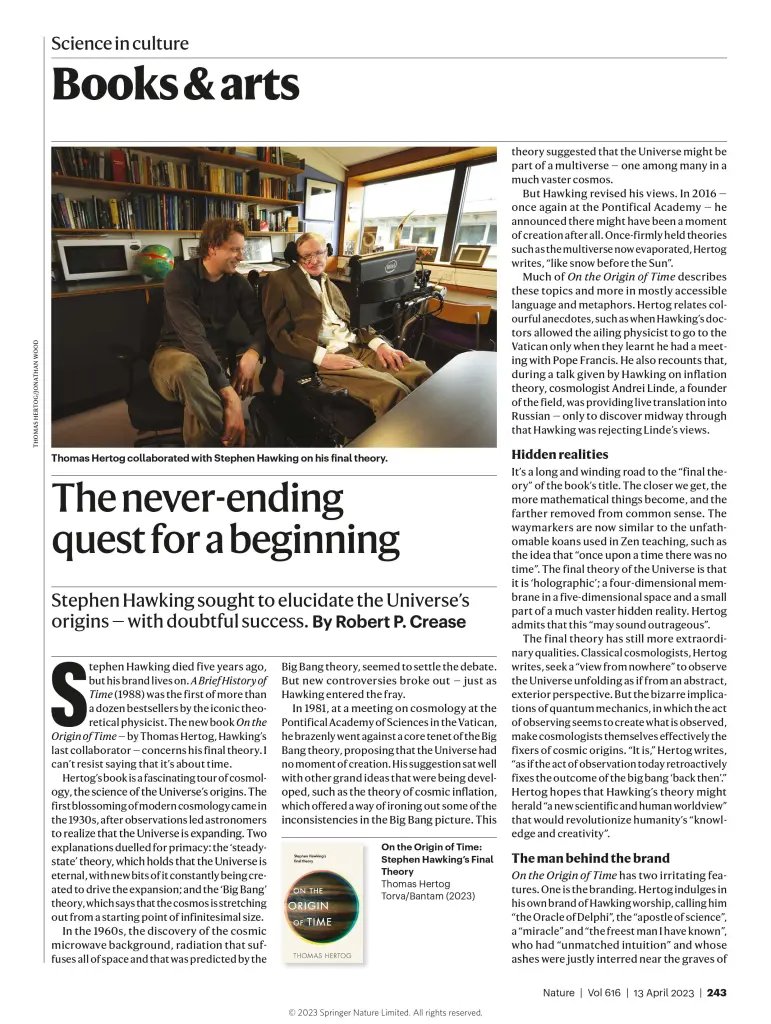
Book Reviews: ‘On The Origin Of Time – Stephen Hawking’s Final Theory’

nature Magazine Science Book Reviews – April 2023

Image

On the Origin of Time

Like his mentor and colleague Stephen Hawking, Thomas Hertog has never shied away from being ambitious in theorizing about the universe. This sweeping book provides an accessible overview of both what we know about cosmology, and some audacious ideas for moving into the unknown. It is an introduction to Hawking’s final theory, but also a glimpse into even grander theories yet to come.

Professor Sean Carroll, author of The Biggest Ideas in the Universe

Reviews: The Best New Science Books (Mar 2023)

nature Magazine Science Book Reviews – March 2023

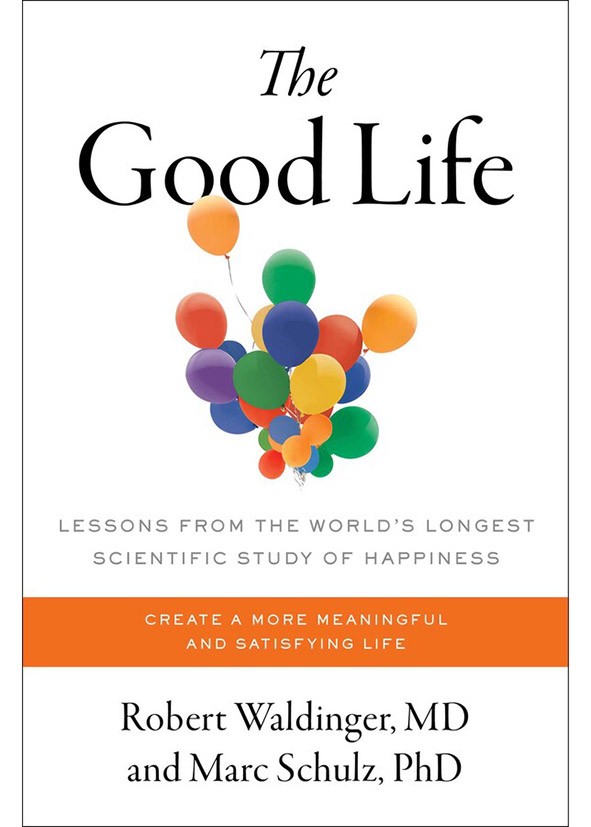
The Good Life

Robert Waldinger & Marc Schulz Simon & Schuster (2023)

Isolation during the COVID-19 pandemic highlighted the link between happiness and good relationships. Scientific evidence for the importance of relationships motivates this always engrossing, sometimes moving, study of happiness, grounded in the Harvard Study of Adult Development. Beginning in 1938, the project has followed two generations of the same families. Current director Robert Waldinger and associate director Marc Schulz show in detail how “the good life is a complicated life. For everybody.”

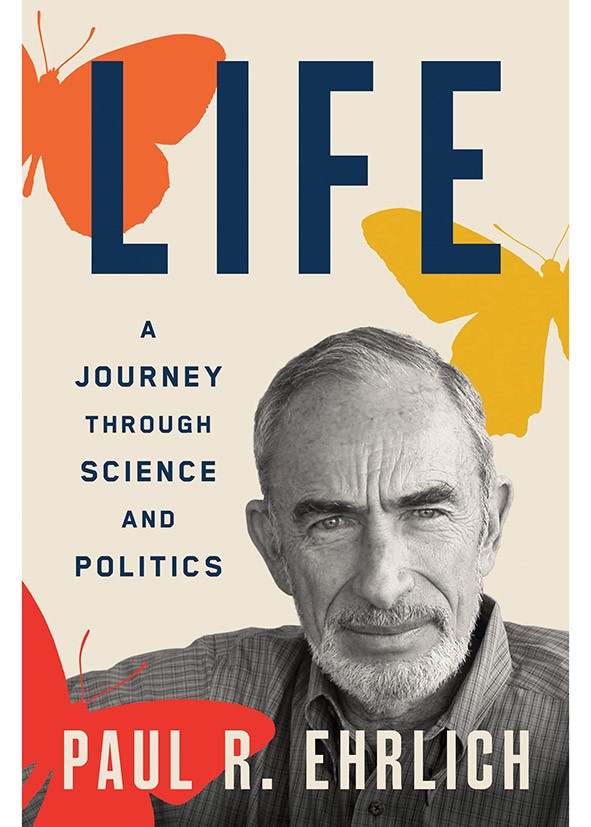
Life

Paul R. Ehrlich Yale Univ. Press (2023)

Biologist Paul Ehrlich is best known for writing — with his wife, conservation biologist Anne Ehrlich — the 1968 book The Population Bomb, which sold two million copies and was widely translated. Its controversial warning of a crisis of overpopulation gave him global exposure. He became a public scholar working with people from many disciplines: economics, political science, history, law, aviation, military intelligence and dentistry “to name a few”, he remarks in his frank, polyphonic autobiography, dedicated “For Anne: Sine Qua Non”.

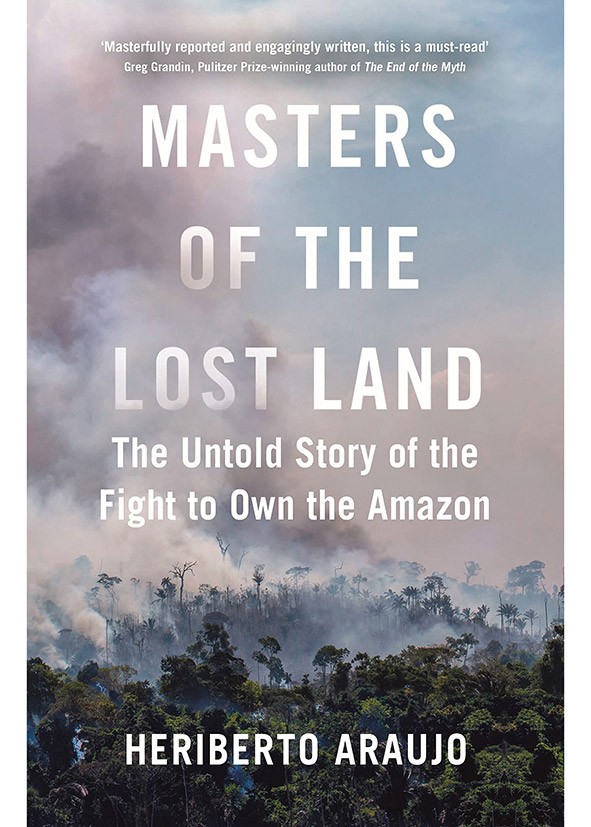
Masters of the Lost Land

Heriberto Araujo Atlantic (2023)

Since 2000, more than 2,000 people worldwide have been murdered for defending their lands or the environment. About one-third were Brazilian, mostly from the Amazon rainforest, notes investigative journalist Heriberto Araujo. He tells the story of the courageous Maria Joel, widow of Dezinho, the leader of a small Amazonian farmworkers’ union. Joel has fought to bring to justice the land baron who ordered her husband’s death. Based on four years of research in Brazil, the book is original, detailed and persuasive.

The Leak

Robert P. Crease & Peter D. Bond MIT Press (2022)

Seven Nobel prizes have been awarded for work at Brookhaven National Laboratory in Upton, New York. Yet a leak of radioactive water from the facility turned its 50th anniversary in 1997 into a year of “chaos rather than celebration”, write philosopher of science Robert Crease — author of a history of the lab — and former Brookhaven physicist Peter Bond. Although the incident posed no health hazard, according to federal, state and local officials, it sparked a “firestorm” of activism and politics, captured in this vivid first-hand account.

Graph Theory in America

Robin Wilson et alPrinceton Univ. Press (2023)

The modern development of graph theory — which models relationships between pairs of objects in groups — began in 1876 with James Joseph Sylvester, a British mathematician then in the United States. His work was first published in Nature. In 1976, US mathematicians Kenneth Appel and Wolfgang Haken solved a long-standing conundrum in the field, the four-colour problem. The intervening century is described in this graphically illustrated historical treatise by three British and US mathematicians.

doi: https://doi.org/10.1038/d41586-023-00673-2

Reviews: Top New Science Books – November 2022

Book cover of California Burning

California Burning

Katherine Blunt Portfolio/Penguin (2022)

California is having more and more wildfires because of climate change, poor tree management creating fire hazards, and antiquated power lines. In 2018, the failure of a 100-year-old rusted electrical hook sparked the Camp Fire, the world’s most expensive natural disaster that year. The blaze forced Pacific Gas and Electric into temporary bankruptcy. Journalist Katherine Blunt’s disturbing history of California’s environmental calamity ends in 2021, with the company’s new chief executive announcing costly underground power lines.

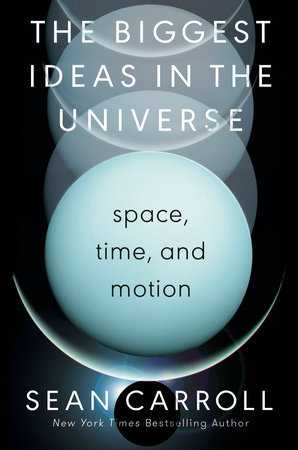
Book cover of The Biggest Ideas in the Universe

The Biggest Ideas in the Universe

Sean Carroll Oneworld (2022)

Theoretical physicist and philosopher Sean Carroll specializes in quantum mechanics, gravity and cosmology. He aims to create a world in which “most people have informed views and passionate opinions” about modern physics. His skilful book, the first of a planned trilogy, covers space, time and motion. Unlike most introductory physics books for the interested amateur, it includes mathematical equations, cogently explained but not solved, as well as the expected metaphorical language.

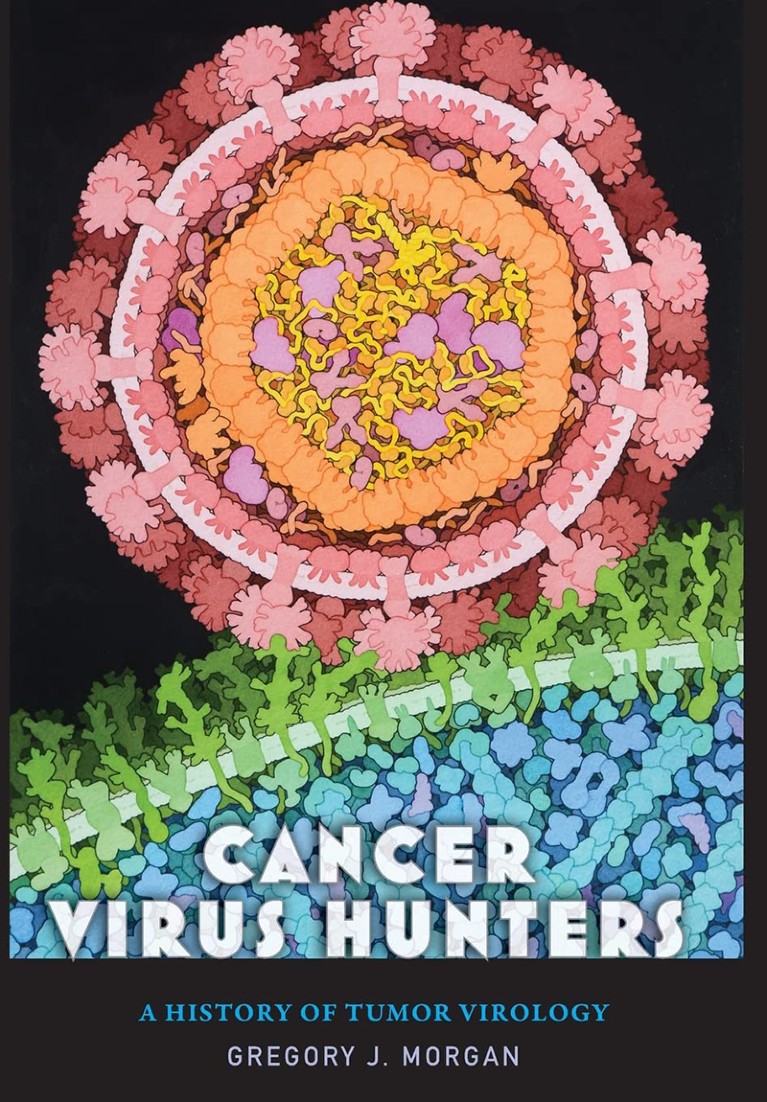
Book cover of Cancer Virus Hunters

Cancer Virus Hunters

Gregory J. Morgan Johns Hopkins Univ. Press (2022)

One-fifth of cancers in people worldwide are caused by tumour viruses such as hepatitis B. Work stemming from these pathogens won seven Nobel prizes between 1966 and 2020, notes historian Gregory Morgan in his authoritative but accessible chronicle. Yet tumour virology is rarely mentioned in discussions of how molecular biology opened our understanding of cancer. As Morgan observes in his path-breaking history, this inhibits a complete understanding of this field as a technoscientific force.

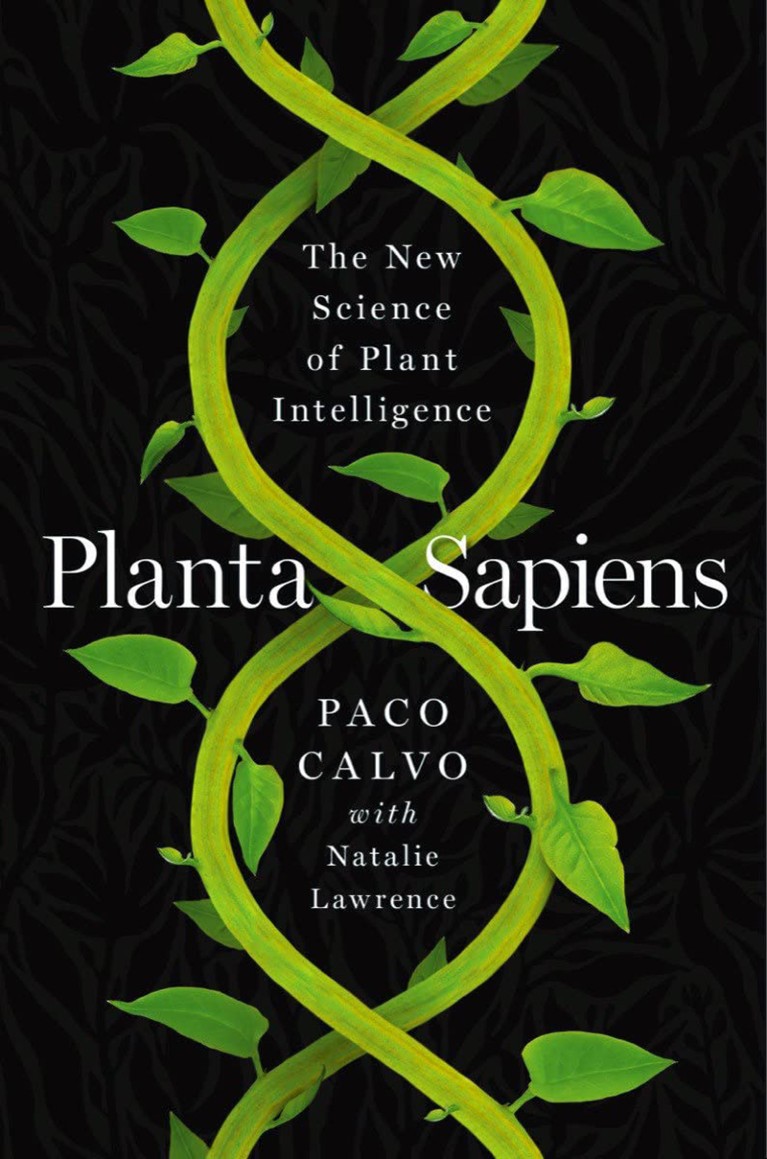
Book cover of Planta Sapiens

Planta Sapiens

Paco Calvo with Natalie Lawrence Bridge Street (2022)

Humans are so focused on “brain-centric consciousness”, says philosopher of science Paco Calvo, “that we find it difficult to imagine other kinds of internal experience”. Might plants be intelligent (‘sapiens’)? His challenging book is aimed at both believers in this possibility and non-believers. His experiments, such as putting the touch-sensitive plant Mimosa pudica to ‘sleep’ with anaesthetic, provoke thought, as does his note that Charles Darwin requested burial under an ancient village yew, rather than in Westminster Abbey.

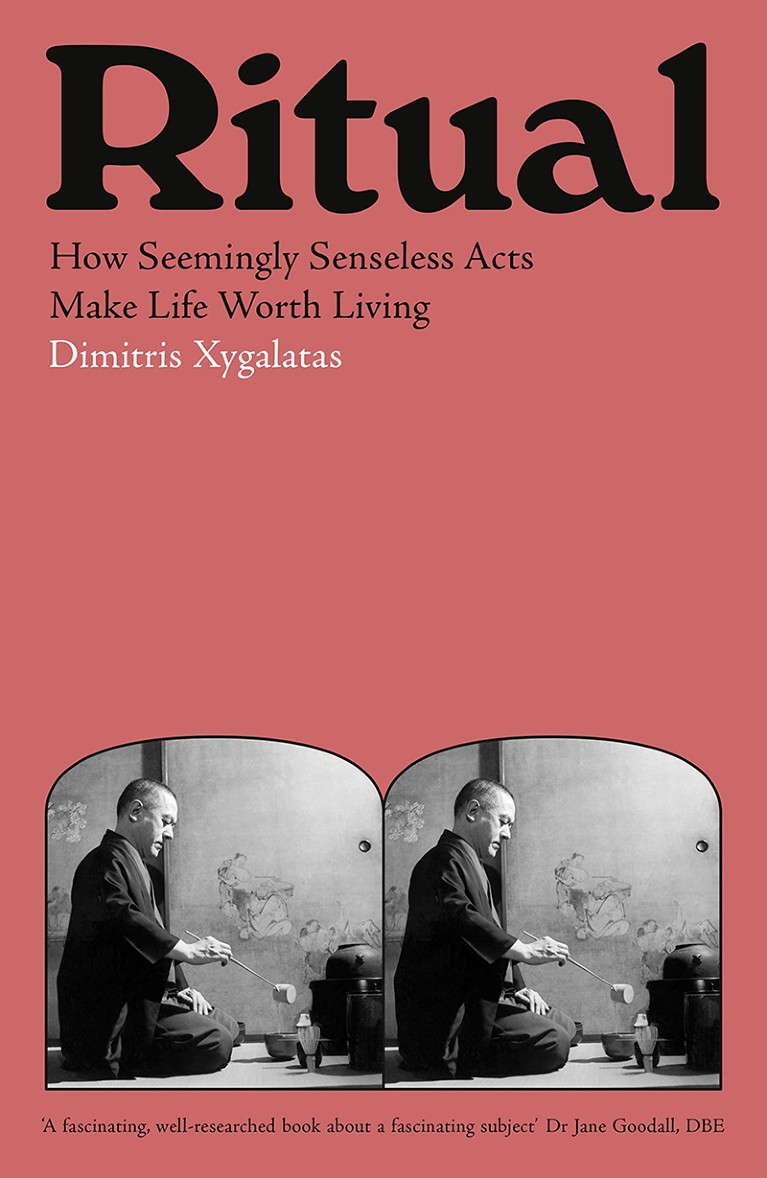
Book cover of Ritual

Ritual

Dimitris Xygalatas Profile (2022)

Just before anthropologist Dimitris Xygalatas’s university went into COVID-19 lockdown, his students had one main concern: would there be a graduation ceremony? We care deeply about rituals, he notes in his wide-ranging and well-written survey, because they help us to “cope with many of life’s challenges”, even if we do not understand how — the “ritual paradox”. Scientific investigation has been tricky, because rituals do not flourish in a laboratory, but wearable sensors and brain-imaging technology help.

Books: ‘The Biggest Ideas in the Universe – Space, Time, And Motion’ (2022)

The Biggest Ideas in the Universe

Vol. 1: SPACE, TIME, AND MOTION

The Biggest Ideas in the Universe

Vol. 1: SPACE, TIME, AND MOTION

Book cover for Sean Carroll's "The Biggest Ideas in the Universe"

Dutton Books, 20 September 2022

The goal of The Biggest Ideas in the Universe is to bridge the gap between popular-science treatments of modern physics and true expert knowledge. This is the real stuff — equations and all — presented in a way that presumes no prior knowledge other than high-school algebra. Readers will come up to speed about exactly what professional physicists are talking about, with an emphasis on established knowledge rather than speculation.

Volume One, Space, Time, and Motion, covers the domain of classical physics, from Newton to Einstein. We get introduced to Spherical Cow Philosophy, in which complications are stripped away to reveal the essence of a system, and the Laplacian Paradigm, in which the laws of physics take us from initial conditions into the future by marching through time. We learn the basic ideas of calculus, where we can calculate rates of change and how much of a quantity has accumulated. We think about the nature of space and time, separately and together. Finally we are introduced to the mysteries of non-Riemannian geometry and Einstein’s theory of curved spacetime, culminating into a dive into black holes.

Read more