Tag Archives: Rhinos

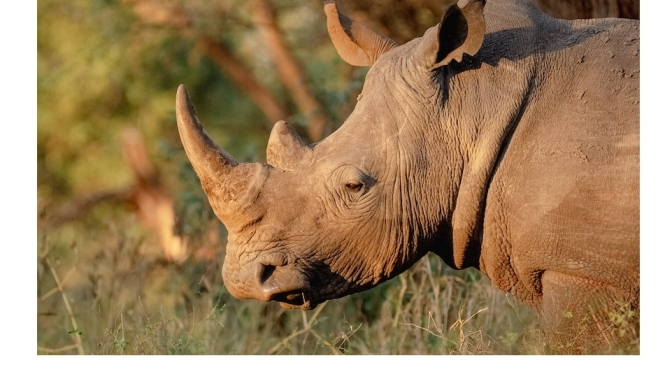
Wildlife: The Black Rhino’s Comeback In Zimbabwe

In Zimbabwe, the mighty rhino is making a comeback. In southern Africa, the animal was poached to near extinction in recent decades. We visit a wildlife sanctuary, with an elite anti-poaching team, to see how the animal is being bought back from the brink.

It’s one of the most successful rhino conservation projects in Africa. In south-eastern Zimbabwe, a private wildlife sanctuary is working hard to bring endangered rhinos back from the brink. In decades past, the mighty Black Rhino was poached to near extinction in southern Africa. Its horn, almost worth its weight in gold, makes it a target for organised poaching gangs.

In 1998, the privately-funded Malilangwe Trust had a population of 28 white and 28 black rhinos, imported from South Africa. Today its rhino population numbers in the hundreds. Reporter Michael Davie, an Australian born in Zimbabwe, returns home to witness this extraordinary wildlife success story. He spends time with the sanctuary’s highly trained anti-poaching team, the Malilangwe Scouts, the tip of the spear against the ever present poaching threat.

“Individually you can’t win against poaching and we need every one of us to fight against poachers,” says Patrick, a Sergeant in the Scouts. “You have to be a team, a strong one.” Davie captures all the incredible action of the hectic “rhino ops” where specialists dart the animals from helicopters then move in on 4WDs as they dash across the park. Led by ecologist Sarah Clegg, the rhino ops team collect vital data on the herd.

“They’ve got this reputation of being bad-tempered and dangerous and they are, but I think it’s mostly that they’re just such emotional creatures,” says Sarah, who’s studied the animal for more than two decades. “They’re just insecure, you know? And so they need more love.” Malilangwe increased its rhino population to such an extent that last year, it relocated some of its Black Rhino herd to nearby Gonarezhou National Park — a former killing ground for rhinos.

“It’s what we all aim for in our careers as conservationists,” says Sarah. “It’s a wild park, so being able to put the rhino back into that park is like waking it up again.” This visually stunning story has a powerful message of hope. “Everyone needs to know the rhino is special,” says Patrick.
Views: Saving The White Rhinos Of South Africa

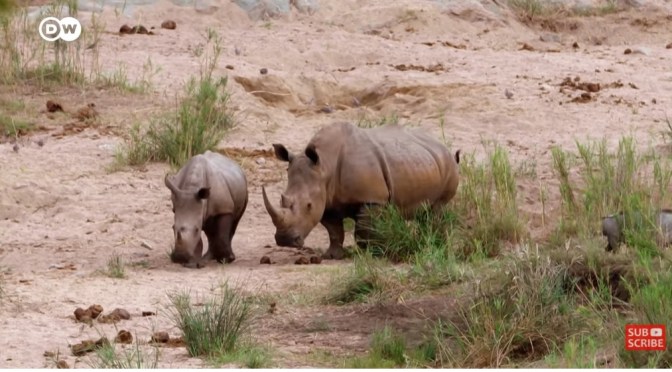
Poachers kill at least one rhino a day in South Africa. Their horns are in huge demand on the black market, and are worth more than gold. Anti-poaching squads are now increasingly better equipped: with night-vision equipment, drones and thermal imaging cameras.

Covering some 20,000 km2, Kruger National Park is one of the largest game reserves in Africa. It’s home to the biggest population of white rhinos in South Africa – and also the highest number of rhinos killed by poachers. One major problem for ranger teams is their small size in comparison to the vast area of territory involved. Another is the widespread poverty in the many villagers bordering the park – and it’s here that you ultimately have to begin if you want to win the battle to save the rhinos.

Vince Barkas has 30 years’ experience working in wildlife conservation, and little confidence in the current system’s effectiveness in protecting rhinos. In 1992 he founded the anti-poaching unit “Protrack”. Its teams operate in the Greater Kruger, which includes private wildlife reserves neighboring the national park.

Over the decades he says he’s seen no change, despite rangers being better armed and equipped, and wants to see new options: “We’ve shot poachers, arrested poachers, beaten up poachers. Everything. But we’ve never sat down and spoken.” Vince Barkas believes in the power of dialog rather than violence. He and his son Dylan made their way to Mozambique – where many of the poachers who kill rhinos in the Kruger National Park hail from.

Their journey takes them to the town of Massingir, where Barkas Snr. first began talking to poachers a number of years ago. The problem, he says, is rooted in the very concept of wildlife conservation: “We’ve made wildlife a rich white man’s thing – where white people hunt and benefit from it, and go to lodges etc. And we’ve kept black people out of it – behind a fence. We’ve got to change that approach.”

Travel & Wildlife Video: India’s Endangered ‘One-Horned Rhinoceros’

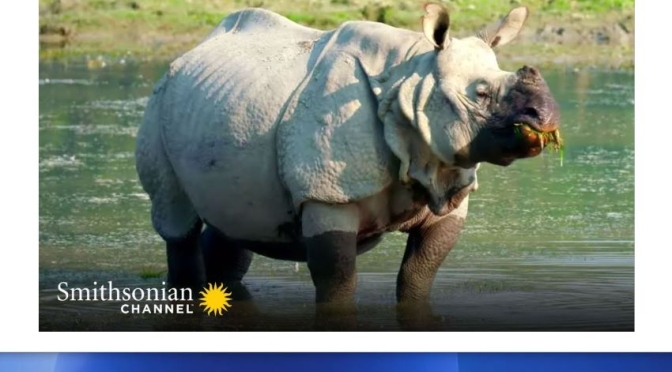
The greater one-horned rhino is one of the most vulnerable animals in India – today, only 3,500 remain in the wild, spread out in isolated pockets from Nepal to the Myanmar border.

The Indian rhinoceros, also called the Indian rhino, greater one-horned rhinoceros or great Indian rhinoceros, is a rhinoceros species native to the Indian subcontinent. It is listed as Vulnerable on the IUCN Red List, as populations are fragmented and restricted to less than 20,000 km².