
Tag Archives: Research Previews

Research Preview: Science Magazine – October 6, 2023

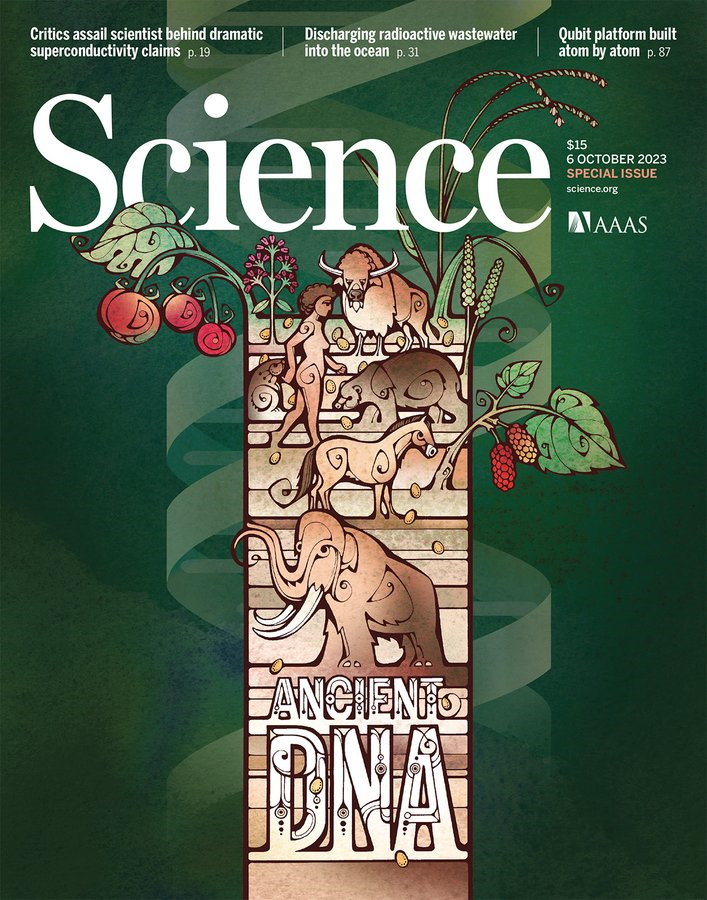
Image

Science Magazine – October 6, 2023: The new issue features Ancient DNA; The risks of radioactive waste water release; Dating the arrival of humans in the Americas; and more…

The risks of radioactive waste water release

The wastewater releas e from the Fukushima Daiichi nuclear plant is expected to have negligible effects on people and the ocean

In 2011, the east coast of Japan suffered an earthquake and tsunami that resulted in the meltdown of three of the reactors at the Fukushima Daiichi nuclear plant. This led to an uncontrolled release of large amounts of radioactive material to the surrounding land and to the Pacific Ocean. 

Dating the arrival of humans in the Americas

A debate about the age of ancient footprints continues

Dating the oldest evidence for the presence of Homo sapiens in the Americas is a matter of ongoing debate. One view is that the earliest such evidence is from 16,000 to 14,000 years ago, after the Last Glacial Maximum (LGM), when people would have crossed the Beringian strait from Siberia over a dry land bridge.
Research Preview: Science Magazine – Sept 29, 2023

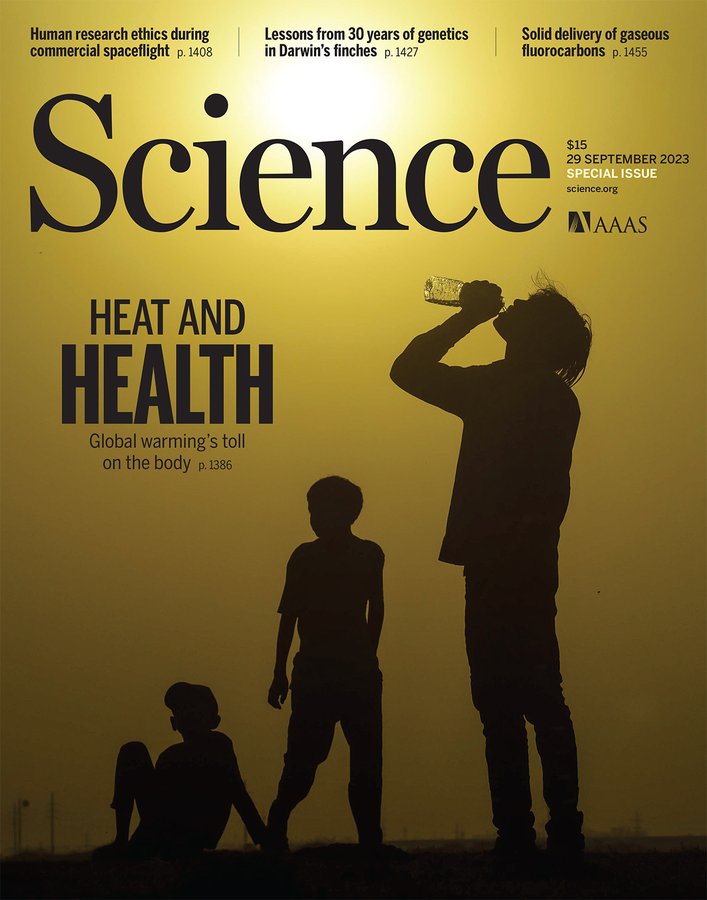
Image

Science Magazine – September 29, 2023: This special issue examines the threats to human health and how they can be mitigated.

AN UNHEALTHY CLIMATE

Introducing a special issue of Science

Earth scientists often call climate change a “great global experiment,” which humanity is heedlessly performing as we pump greenhouse gases into the atmosphere. The dire consequences are already becoming clear—not just for the workings of the planet, but for our own health. Over the next few days, the stories in this special package will explore the threats, and how we can minimize them.

Will flu outbreaks ease in a warming world?

From cold viruses to influenza to respiratory syncytial virus, viruses that spread through the air cause billions of infections each year. That makes it important to understand how they will respond to climate change. But little is known so far, except that different viruses will react differently. Measles, for instance, spreads efficiently in all climates, suggesting global warming will make little difference to its transmission.

Research Preview: Science Magazine – Sept 22, 2023

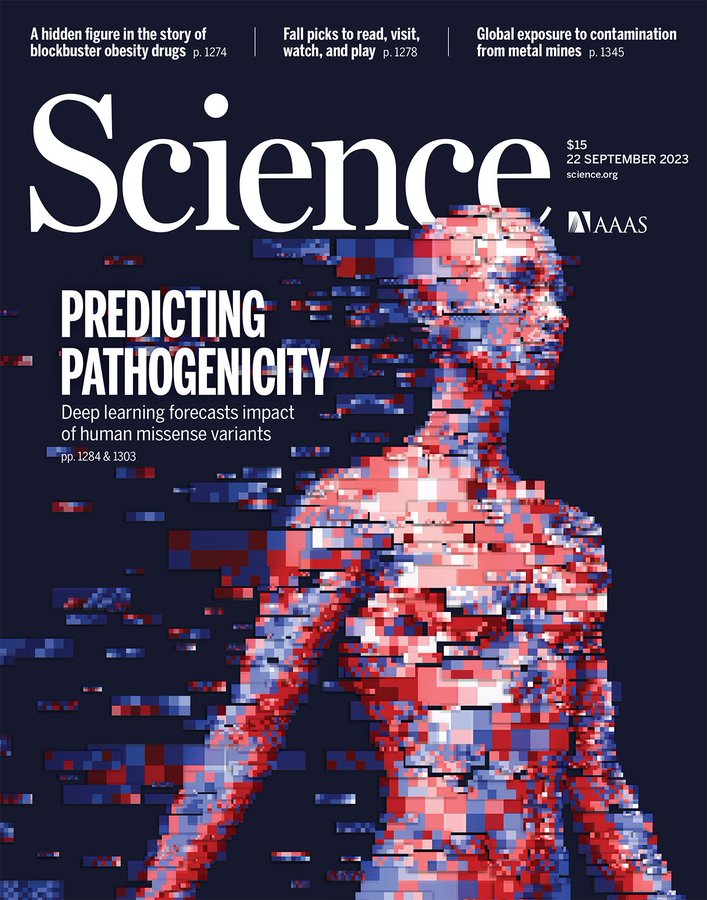
Image

Science Magazine – September 22, 2023: This illustration depicts a human form out of a collage of heatmaps (red and blue squares).

Peak solar activity is arriving sooner than expected, reaching levels not seen in 20 years

The Sun’s flare-ups can threaten satellites and electric grids, highlighting need for better forecasts

Quantum algorithm offers faster way to hack internet encryption

Scheme to factor giant numbers could be more efficient than 30-year-old Shor’s algorithm

Science Review: Scientific American – October 2023

Image

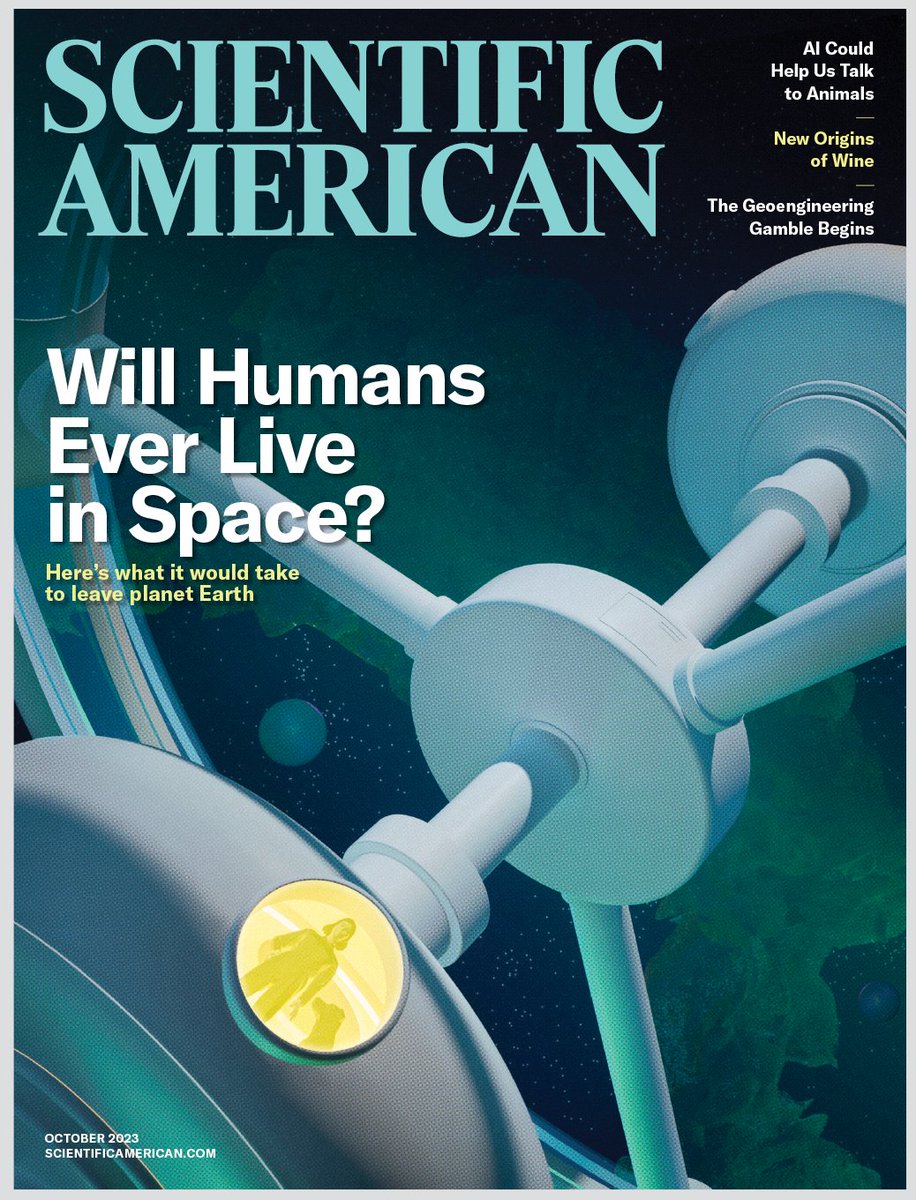
Scientific American – October 2023: The issue features ‘Will Humans ever Live in Space – Here’s what it will take to leave planet Earth’; AI could help us to talk to animals; New origins of wine, and more…

Why We’ll Never Live in Space

Why We'll Never Live in Space

Medical, financial and ethical hurdles stand in the way of the dream to settle in space

By Sarah Scoles

It’s Time to Engineer the Sky

It's Time to Engineer the Sky

Global warming is so rampant that some scientists say we should begin altering the stratosphere to block incoming sunlight, even if it jeopardizes rain and crops

By Douglas Fox

Research Preview: Science Magazine – Sept 15, 2023

Image

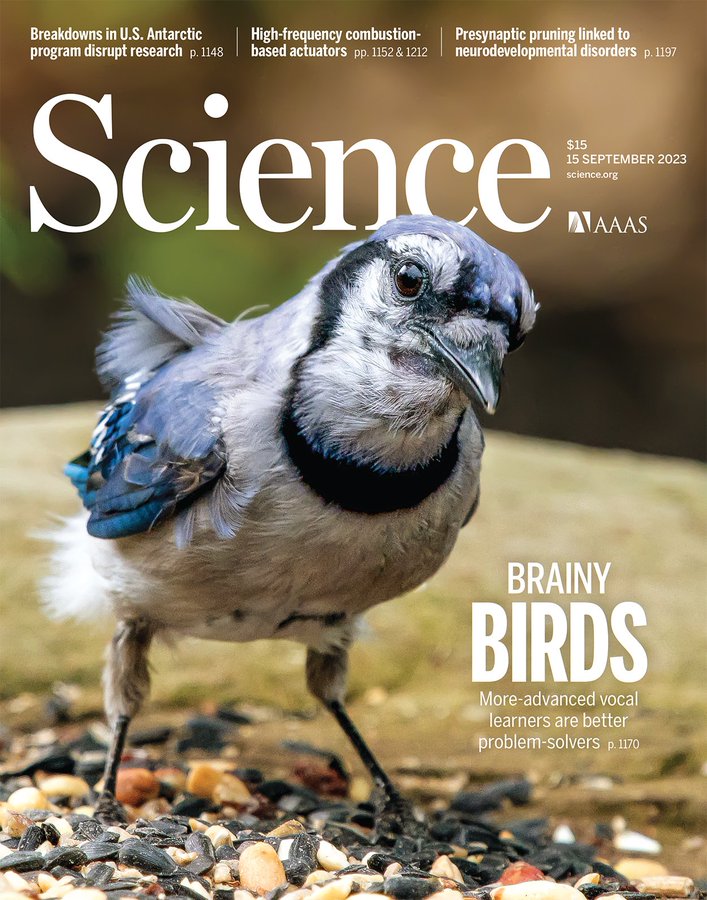
Science Magazine – September 15, 2023: Blue jays, similar to other corvid songbirds, are known for their impressive cognitive abilities, presumably due to their relatively large brains. 

Mars Sample Return risks consuming NASA science

Forthcoming cost estimate for budget-busting mission could lead to strict caps from Congress

Iran prepares to erect a digital wall

Researchers feel increasingly isolated as government moves to restrict internet access

Research Preview: Science Magazine – Sept 8, 2023

Image

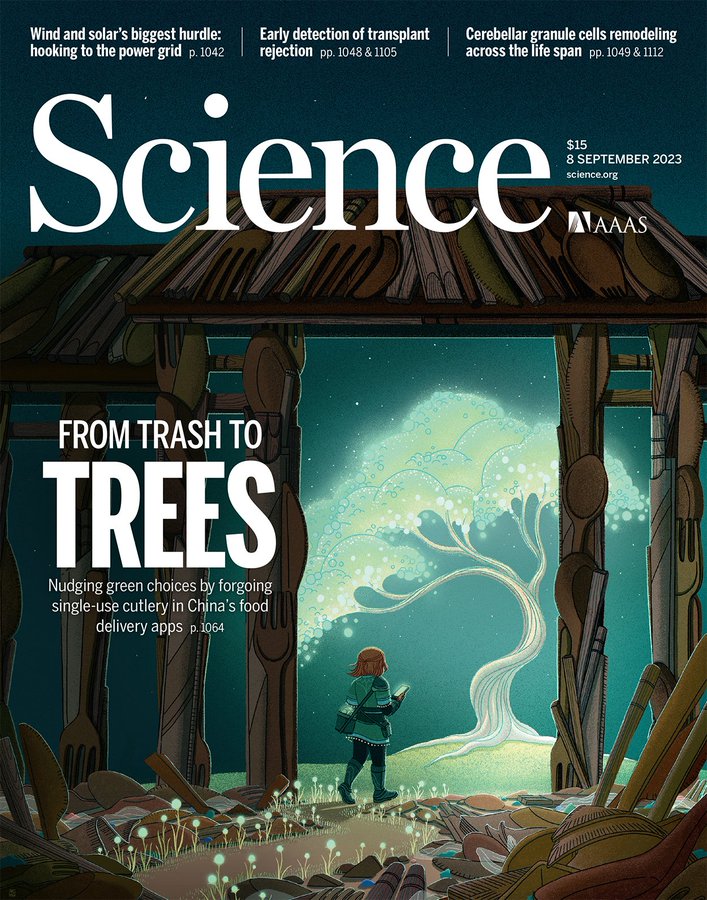
Science Magazine – September 8, 2023: Reducing single-use cutlery with green nudges: Evidence from China’s food-delivery industry; Anatomy of a volcanic eruption undersea, and more…

Anatomy of a volcanic eruption undersea

Submarine flows from the Hunga Tonga–Hunga Ha‘apai eruption decimated seafloor cables

In December 2021, an undersea volcano in the southern Pacific Ocean, the Hunga Tonga–Hunga Ha‘apai (hereafter called the Hunga volcano) began erupting. In January 2022 the eruption reached a powerful climax, triggering atmospheric waves that traveled around the globe and a tsunami that swept across the Pacific Ocean. An estimated 75% of Earth’s volcanoes are underwater, and 20% of all fatalities caused by volcanic eruptions since 1600 CE have been associated with underwater volcanism (3).

Reducing single-use cutlery with green nudges: Evidence from China’s food-delivery industry

China’s high demand for online food delivery resulted in an increase in the use of disposable, single-use cutlery. Disposable cutlery increases plastic pollution, and paper napkins and wooden chopsticks contribute to environmental degradation that endangers wildlife and marine species and compromises human health. Informed by the literature on “green nudges, ” which are prompts to promote environmentally friendly behaviors, He et al. collaborated with Alibaba to use its mobile food delivery platform, Eleme, in a longitudinal field study across China.

Research Preview: Science Magazine – Sept 1, 2023

Image

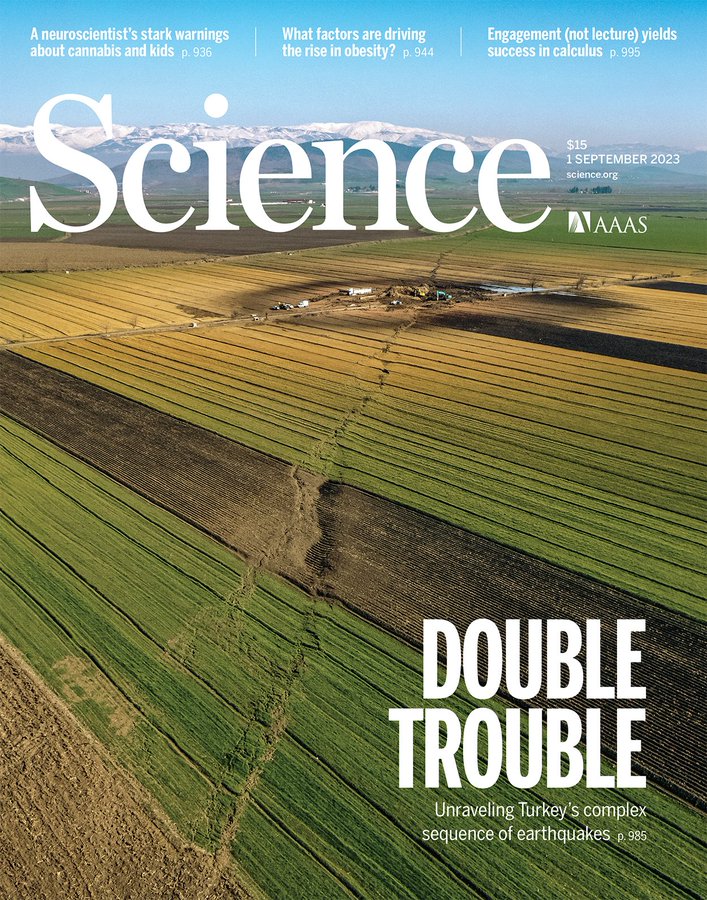
Science Magazine – September 1, 2023: The cover features a drone photograph, taken near the town of Kahramanmaraş, of the surface rupture produced by the first mainshock of the 2023 Turkey earthquake sequence shows agricultural fields offset by the fault slip.

The future of ocean health

Human and environmental health are inextricably linked. Yet ocean ecosystem health is declining because of anthropogenic pollution, overexploitation, and the effects of global climate change. These problems affect billions of people dependent on oceans for their lives, livelihoods, and cultural practices. The importance of ocean health is recognized by scientists, managers, policy-makers, nongovernmental organizations, and stakeholders including fishers, recreationalists, and cultural practitioners. So why are the oceans still degrading?

Research Preview: Science Magazine – August 25, 2023

Image

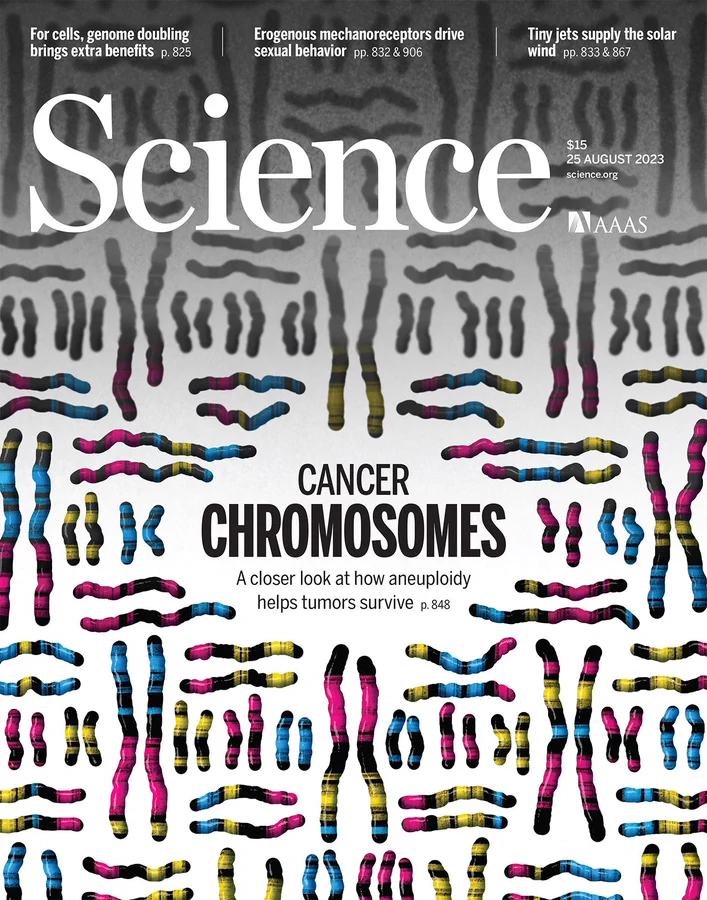
Science Magazine – August 25, 2023: This image depicts whole chromosomes, some with structural abnormalities that might be found in cancer. The idea that cancer cells have aneuploidy—abnormal numbers of chromosomes and chromosome portions—has been known for decades. 

If AI becomes conscious, how will we know?

Scientists and philosophers are proposing a checklist based on theories of human consciousness

0s and 1s making up the outline of a head

In 2021, Google engineer Blake Lemoine made headlines—and got himself fired—when he claimed that LaMDA, the chatbot he’d been testing, was sentient. Artificial intelligence (AI) systems, especially so-called large language models such as LaMDA and ChatGPT, can certainly seem conscious. But they’re trained on vast amounts of text to imitate human responses. So how can we really know?

First page of PDF

Research Preview: Science Magazine – August 18, 2023

Image

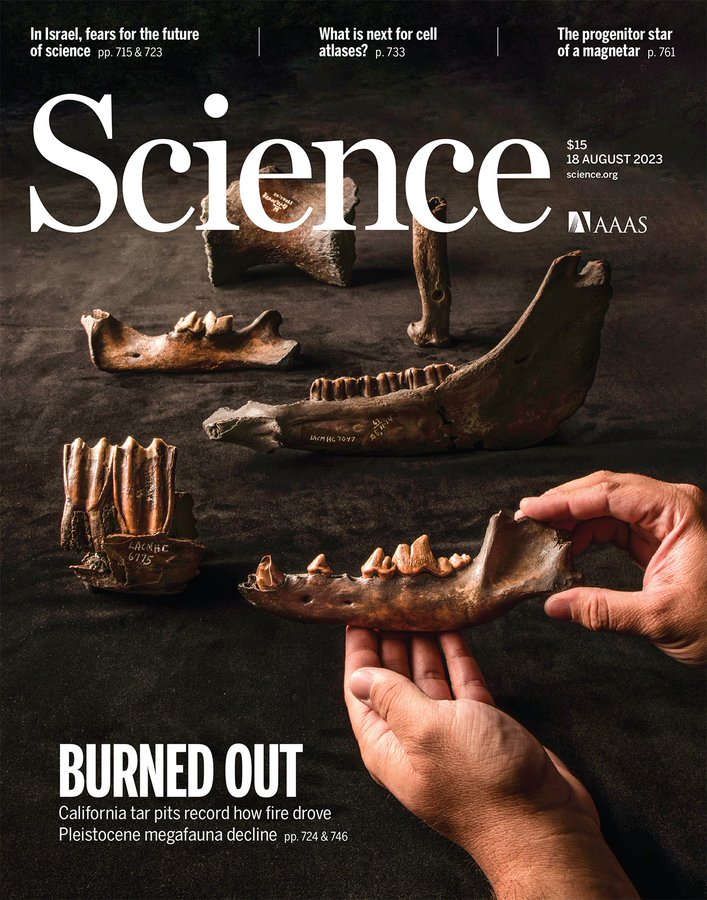
Science Magazine – August 18, 2023: This issue features California tar pits that recorded how fire drove Pleistocene megafauna decline; Maui’s deadly blazes reveal a fire-prone Hawaii; Solar energy projects put food security at risk, and more…

‘Still in shock.’ Amid wildfire tragedy, Maui scientists assess their research losses

Blazes and high winds blew projects apart and left a tight-knit research community shaken. What will it take to prevent future island fires?

The hall of historic Waiola Church in Lahaina and nearby Lahaina Hongwanji Mission engulfed in flames in Lahaina, Hawaii.

In the wake of a series of powerful wildfires that ripped through Maui’s dry forests and the historic city of Lahaina this week killing more than 50 people, researchers on the island remain concerned about the personal fallout for fellow scientists and their families. Some are reeling from disruption to their projects: Studies of whales may be disrupted, for example, and a rare plant facility sustained damage. “We’re still wrapping our heads around what this really means, because right now, most of us are still in shock,” says marine mammal ecologist Marc Lammers. “And, of course, we’re thinking about our colleagues.”

First page of PDF

Science Review: Scientific American – September 2023

Image

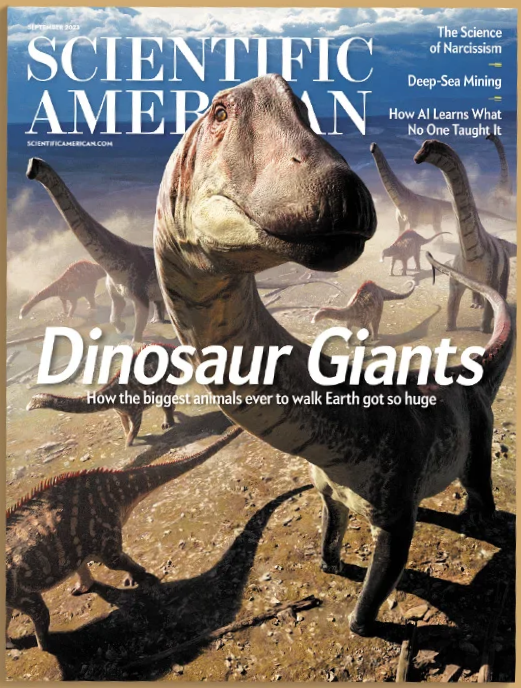
Scientific American – September 2023: The issue features ‘Dinosaur Giants – How the biggest animals ever to walk Earth got so huge; The Science of Narcissism; Deep-Sea Mining; How AI learns What No One Taught It, and more…

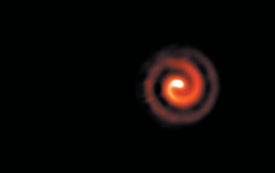
Rare ‘Pinwheel’ Stars Are a Beautiful Astronomical Puzzle

Rare 'Pinwheel' Stars Are a Beautiful Astronomical Puzzle

The doomed class of stars named Wolf-Rayets produce mysterious pinwheel shapes

By Peter Tuthill

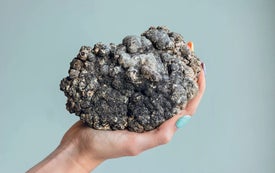
Deep-Sea Mining Could Begin Soon, Regulated or Not

Deep-Sea Mining Could Begin Soon, Regulated or Not

Mining the seafloor could boost global production of clean energy technology—and destroy the ocean in the process

By Olive Heffernan

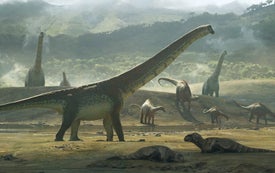
How Sauropod Dinosaurs Became the Biggest Land Animals Again and Again

How Sauropod Dinosaurs Became the Biggest Land Animals Again and Again

New research hints at how sauropod dinosaurs got to be so gargantuan

By Michael D. D’Emic