
From a MetMuseum.org online release:
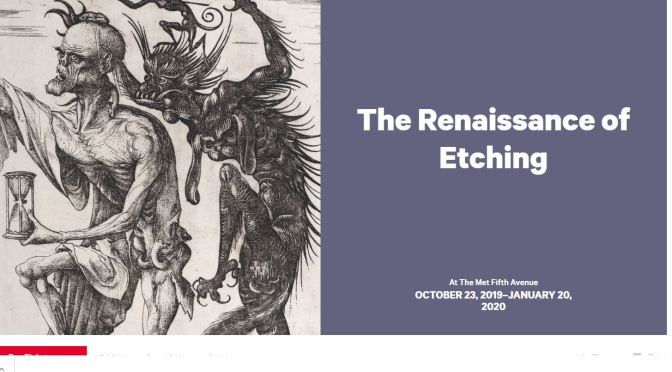
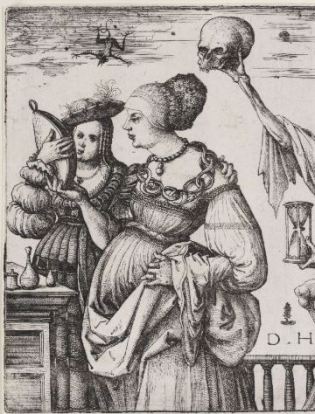 This exhibition traces the first sixty years of the etched print (circa 1490 to circa 1560), from its emergence in the workshop of the German printmaker and armor decorator Daniel Hopfer to the years when a range of artists from Germany, Flanders, Italy, and France began experimenting with etching. Approximately 125 etchings, produced by both renowned and lesser-known artists, are displayed alongside a number of drawings, printing plates, illustrated books, and armor.
The history of printmaking has been punctuated by moments of great invention that have completely changed the course of the medium. The beginning of etching in Europe in the late fifteenth and early sixteenth centuries—when the technique moved out of the workshop of armor decorators and into those of printmakers and painters—represents one of those pivotal moments. Etching, essentially drawing on the surface of a metal plate, had an ease that opened the door for all kinds of artists to make prints. The pioneers of the medium included some of the greatest painters of the Renaissance, such as Albrecht Dürer, Parmigianino, and Pieter Bruegel the Elder.
To read more: https://www.metmuseum.org/exhibitions/listings/2019/renaissance-of-etching
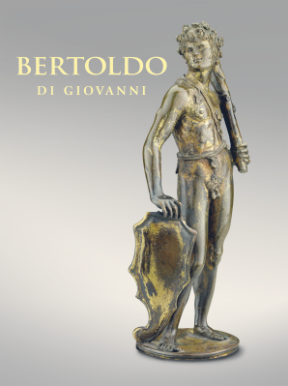 This fall, The Frick Collection will present the first-ever exhibition on the Florentine sculptor Bertoldo di Giovanni (ca. 1440–1491), a renowned student of Donatello, a teacher of Michelangelo, and a great favorite of Lorenzo “il Magnifico” de’ Medici, his principal patron. More than twenty statues, reliefs, medals, and statuettes — constituting nearly his entire extant oeuvre — will be on view exclusively at the Frick, which houses the only sculptural figure by Bertoldo outside of Europe. The exhibition will
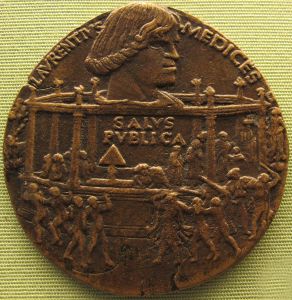 highlight the ingenuity of the artist’s designs across media, including bronze, wood, and terracotta, and provide the first chance to fully explore longstanding questions of attribution, function, groupings, and intended display. Bertoldo di Giovanni: The Renaissance of Sculpture in Medici Florence will bring into focus the sculptor’s unique position at the heart of the artistic and political landscape in fifteenth-century Italy.
 Boomers Daily