
From an Apollo Magazine online article:

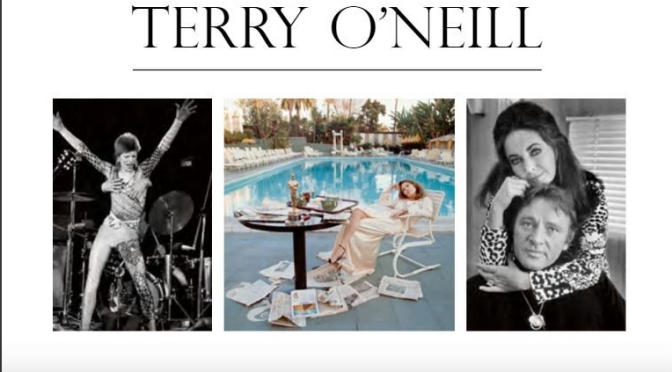
He shot the Beatles in a St John’s Wood back garden before they had even broken the Top 10 (‘I didn’t know how to work with a group, but because I was a musician myself and the youngest on staff by a decade, I was always the one they’d ask’), and within a few months was kitting out the Rolling Stones with suitcases to look like a travelling band in a series of candid street shots.
His portraits, in grainy 35mm black-and-white, are a veritable roll call of the 1960s youthquake – Michael Caine, Terence Stamp, David Hemmings, Marianne Faithfull, Jean Shrimpton (walking barefoot on a rain-slicked King’s Road, or posing with the porcelain inmates of a dolls’ hospital) – and of the other stars of the age, from the Rat Pack to Muhammad Ali. He photographed Churchill being carried from hospital in an armchair, a potentate on a palanquin; shot Peter Cook and Dudley Moore floating on lilos in raincoats; and extensively documented the early career of Elton John – including a remarkable shot where he plays an upright piano with his legs floating up towards the ceiling, as if performing on the International Space Station.
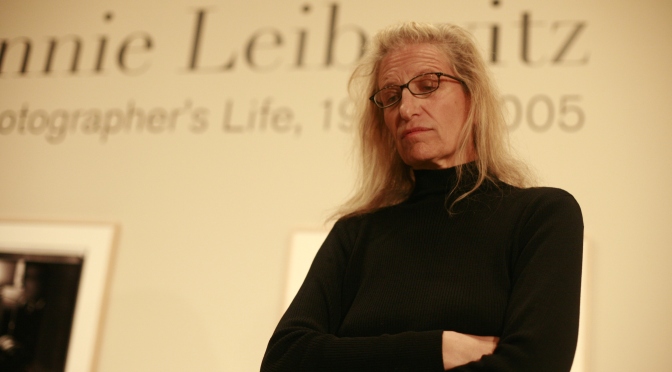
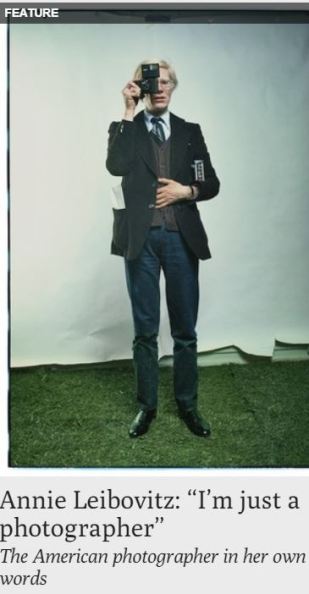 I chose to call myself a portrait photographer because labels were always being thrown on me. When I was at Rolling Stone I was a ‘rock-and-roll photographer’, at Vanity Fair I was a ‘celebrity photographer’. You know, I’m just a photographer. I realised I wasn’t really a journalist. I have a point of view and, while these photographs that I call portraits can be conceptual or illustrative, that keeps me on the straight and narrow. So I settled on this brand called ‘portraits’ because it had a lot of leeway. But I don’t think of myself that way now: I think of myself as a conceptual artist using photography.
 I remember going to the Factory in 1976 and watching Andy Warhol work. I’d been there before, earlier in the 70s, photographing Joe Dallesandro and Holly Woodlawn, and then Paul Morrissey. Warhol was a fixture of New York. It was just shocking when he died, because he was everywhere. I don’t know how he did it, but he was out at everything. You felt that if he was at a place you were at, then you were at the right place.

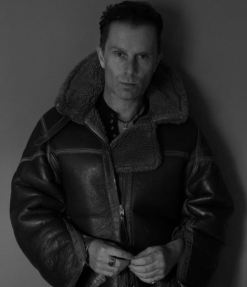 His work has been exhibited in art galleries in London’s Mayfair and his photographs hang in countless homes in countries and continents around the world.
 Boomers Daily