

From an Interesting Engineering online article:
Retrofuturism is the curious eye of the past upon us. This era’s rosy predictions about the future seem laughable from the perspective of the present; however, it seems that they got some things exceptionally right. Their ideas ranged from child-like and pridefully ambitious and inspired a movement upon the artists, designers, musicians, and filmmakers who channeled the technological fantasies of a lost age.
-
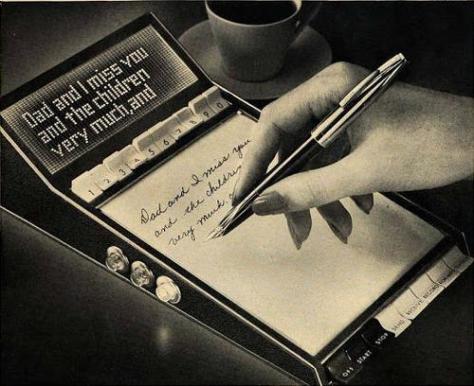
Instant Messaging (1964 Prediction)
-
This technology has actually become a reality. Many smartphones have this feature, or at least something similar to it. It doesn’t look like this of course, but the main idea is still there: you write it with your smartpen and the device makes your illegible handwriting into a text that is actually readable! However, it is not widely used; nobody could predict that typing would be superior to actual handwriting.
-
Personal Transportation (1950s Vision)
-
 It is unclear why people in the 1950s thought this was a practical way to travel; not only it looks like it is impossible to breathe in there, who would want to stand upright while driving? It would definitely ease the traffic; however, probably no one would want to use it.
The Smart-Cities of Future
 Towering transmitters in the city and private-jet traffic in the sky… This is a prediction that was made probably too early and it is definitely not so far from reality. Today, we paint a similar future for smart-cities and sci-fi movies depict the future cities in the same manner. It seems that older generations and we have a similar vision of the future look of the world.
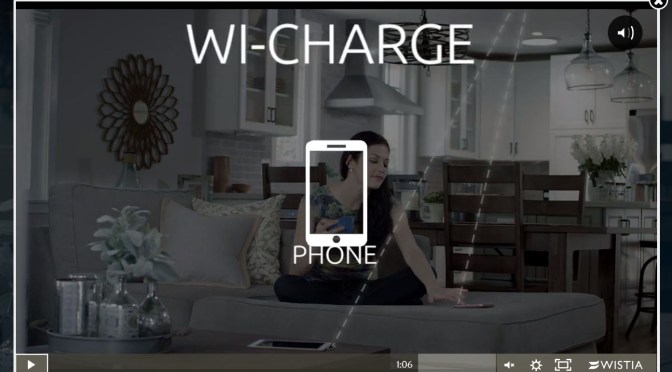
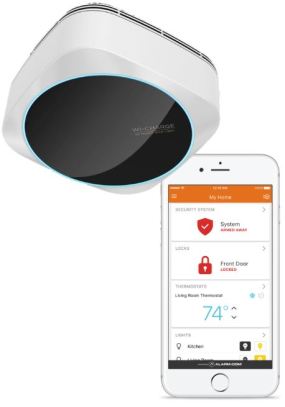 Wi-Charge says it has a solution to the problem. Its technology allows users to power small devices, such as smartphones, smart fire alarms, and smart locks, from several feet away without any wires.

 “We are extremely proud of what we have accomplished, from the ability to 3D bioprint human cardiac tissue last summer to a mini heart with full structure now. These milestones are a testament to the hard work of our team and the proprietary process we have developed that enables this type of scientific achievement,” said Birla in a press release. “We believe we are at the forefront of whole heart bioengineering, a field that has matured quickly over the last year, and well-positioned to continue our rapid scientific advancement.”
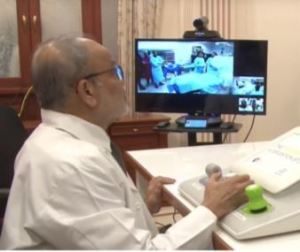 “Remote procedures have the potential to transform how we deliver care when treating the most time-sensitive illnesses such as heart attack and stroke. The success of this study paves the way for large-scale, long-distance telerobotic platforms across the globe, and its publication in Lancet’s EClinicalMedicine demonstrates the transformative nature of telerobotics,”

 Boomers Daily