

From a Cotswold Life online interview/review:
 “I suppose I started off with a fairly literal view of the world,” he says. “But, quite early on, it became clear to me that there was much more going on than simply the picture I was seeing; that the natural world had an agenda of its own; that it was going to live out life, regardless of how we viewed it and how we used it; and, indeed, regardless of the fancy metaphors that we used.”
Oh my goodness. Where to begin?
I could start with the ‘Praying Beech’ – a tree whose (‘whose’? The human possessive feels simultaneously wrong and yet just right) two branch stubs clasped each other like hands. Once, when the rain fell in an apocalyptic burst, Richard Mabey watched its bark melt in front of his eyes. It was, of course, no stranger to extremes of weather: one summer past, the tree had been split by lightning, bees hunkering down in its newly-created hollows. Sometime later, a storm had toppled it, leaving fungi free to colonise its delicious surfaces: knobbly coral spots; dead man’s fingers rising corpse-like from the tree’s own rot; white porcelain tufts, like Royal Worcester plates awaiting a delicate slice of egg-yellow sponge.
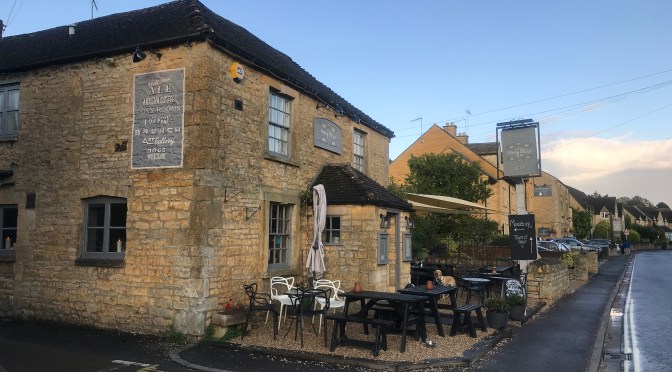
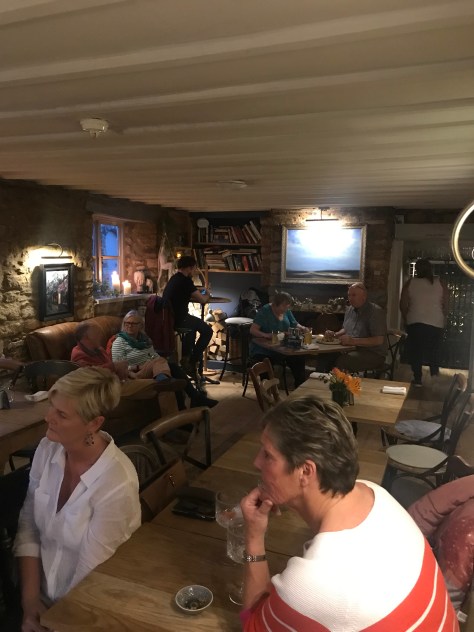
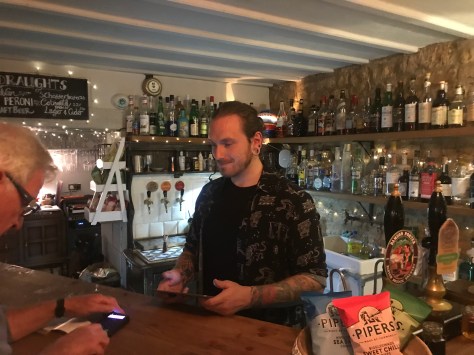

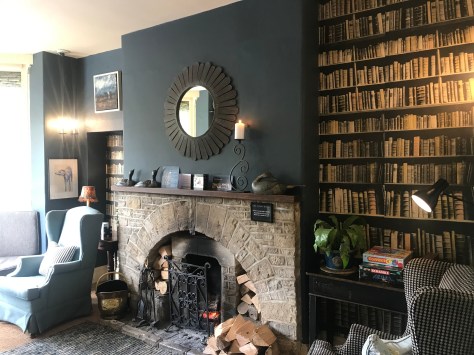
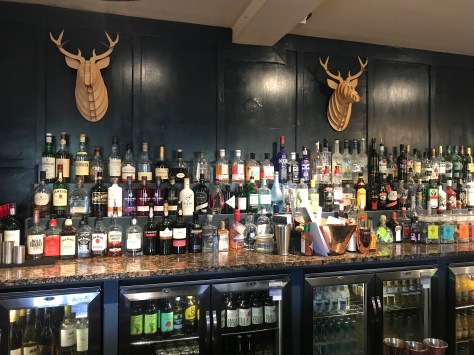
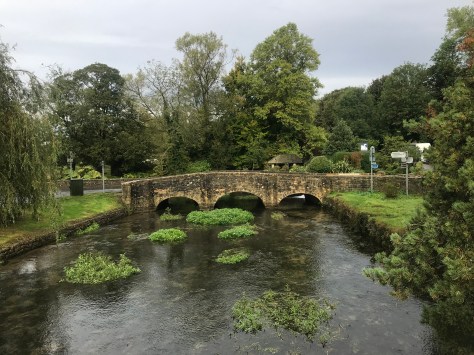
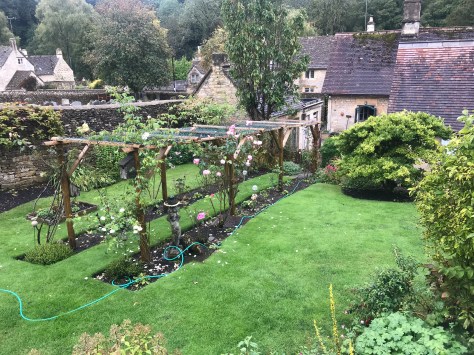
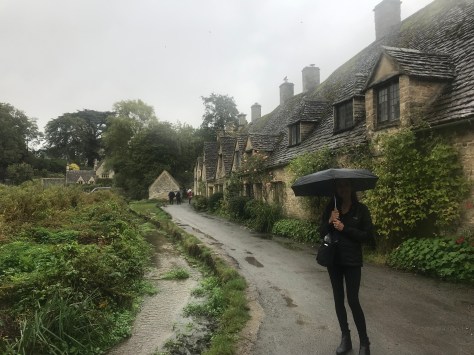
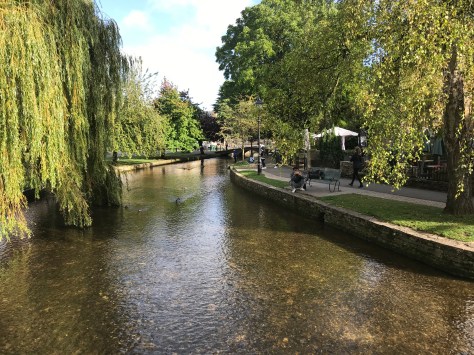
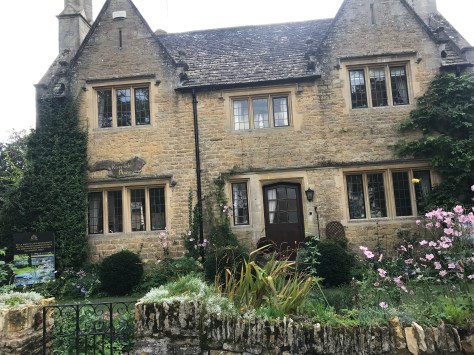
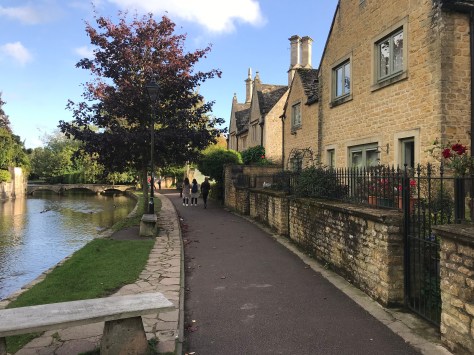
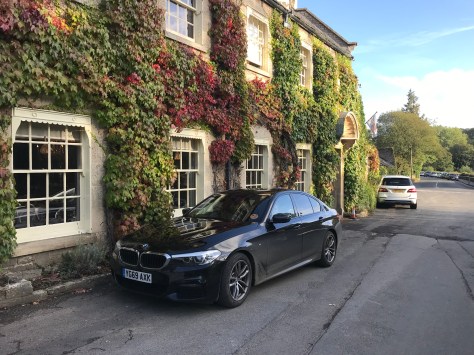
 A brisk 2.9 mile walk (yes, 2.9 miles) in mildly drizzly weather from The Swan Hotel door back to the breakfast room set up a perfect day.





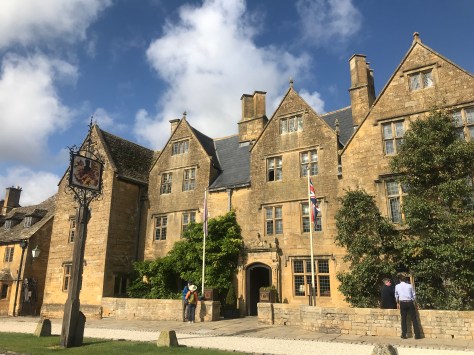

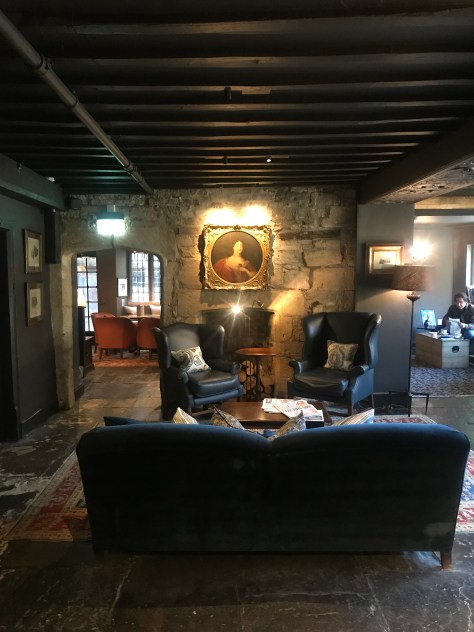


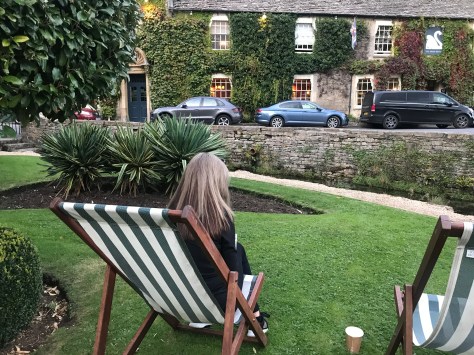
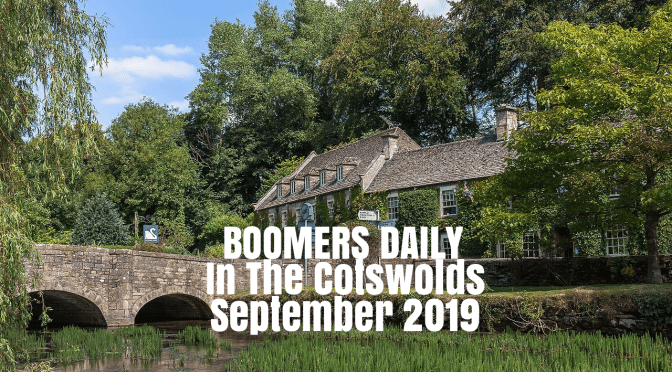
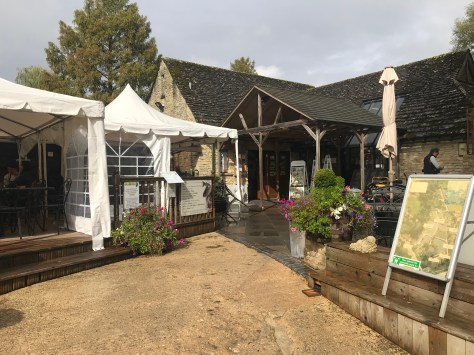
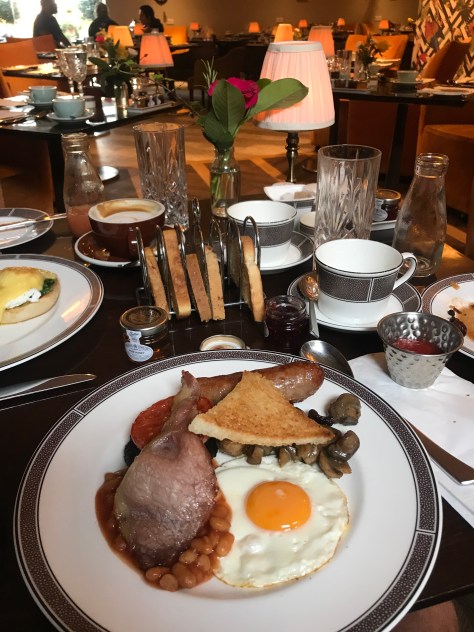
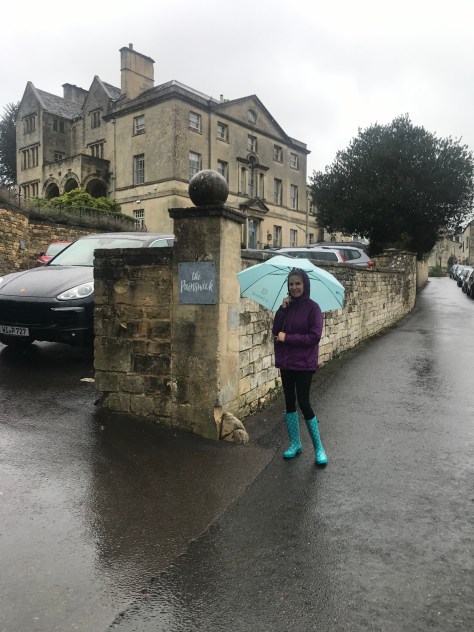
 Left The Painswick after a fine British breakfast (highlighted by fabulous, freshly made crumpets and a berry compote), we drove into a heavy rain toward Cirencester and the on to Bibury for a 3-night stay at The Swan Hotel.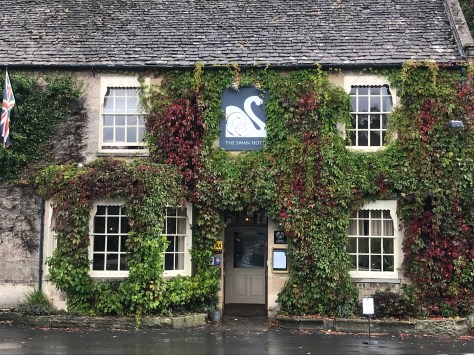
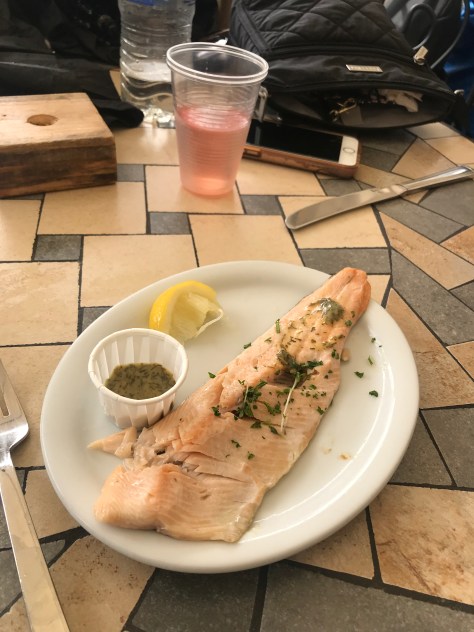
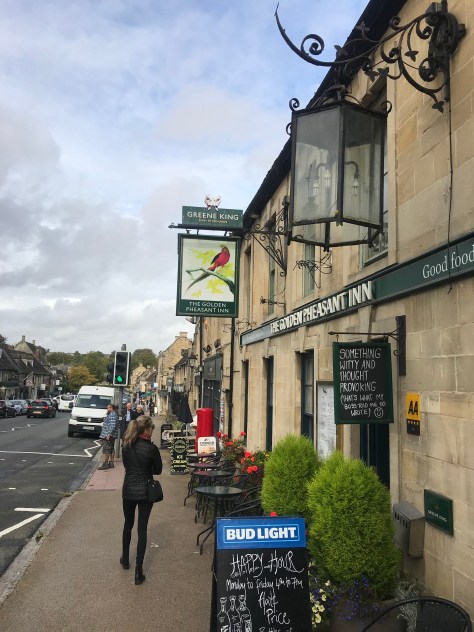
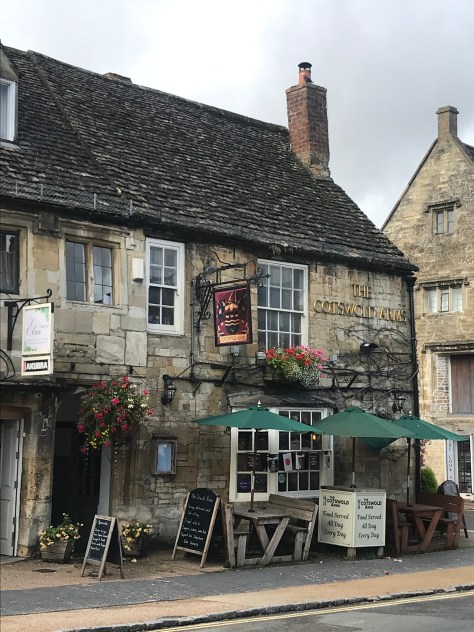
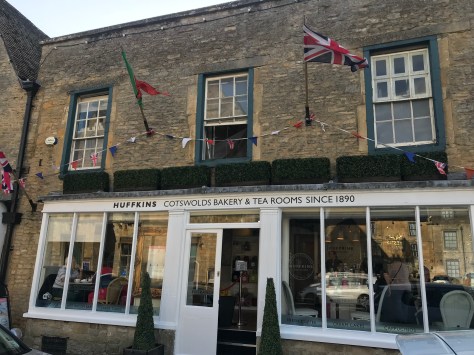
 The finest brownie in the world (layered peanut butter, chocolate fudge) was waiting for us at Huffkins Bakery. That and an iced coffee is worth a flight to London and the drive to Stow.


 Boomers Daily