


NPR’s Scott Simon reflects on the legacy of F. Scott Fitzgerald’s The Great Gatsby. The literary classic’s copyright expired on the first day of 2021.
The copyright on F. Scott Fitzgerald’s The Great Gatsby expired on the first stroke of 2021 and the book entered the public domain.
The classic 1925 novel of love foiled, ambitions foisted, class and betrayal sold fewer than 25,000 copies before Fitzgerald died. It has since sold nearly 30 million. I gave our daughter the copy I had in high school when she read it last year. The Great Gatsby has been turned into stage productions, an opera, five film versions, a Taylor Swift song and inspired innumerable prequels, spinoffs and variations.
In the public domain, Gatsby may now become even more familiar. Two new editions are about to come out and who knows what kind of projects — a Gatsby rom-com? Gatsby joins The Avengers? — might now get a green light, which recalls the imperishably eloquent last passage of the book: “Gatsby believed in the green light, the orgastic future that year by year recedes before us.”
Gatsby’s Jazz Age Long Island may not look like a microcosm of contemporary America. Neither does Don Quixote, The Scarlet Letter, Macbeth or Their Eyes Were Watching God. We want young readers to be able to see themselves in stories; but literature can also show us that people we don’t think are much like us at all turn out to have some of the same heart, blood and dreams. That can be the power of empathy in art.
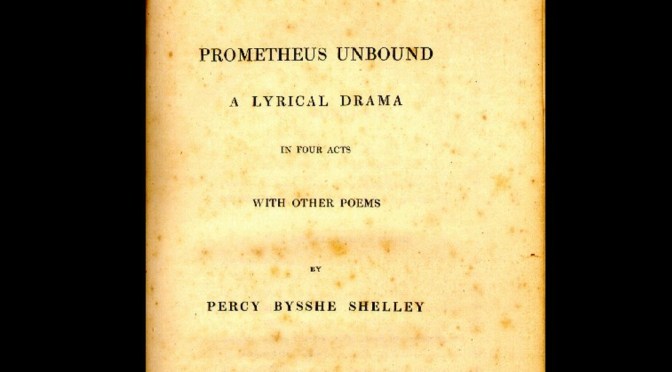
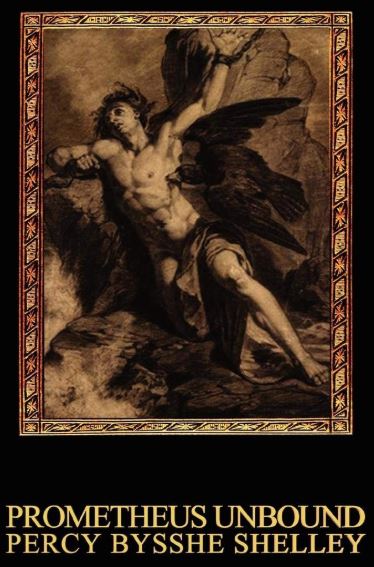 Prometheus Unbound is a four-act lyrical drama by Percy Bysshe Shelley, first published in 1820. It is concerned with the torments of the Greek mythological figure Prometheus, who defies the gods and gives fire to humanity, for which he is subjected to eternal punishment and suffering at the hands of Zeus. It is inspired by the classical Prometheia, a trilogy of plays attributed to Aeschylus. Shelley’s play concerns Prometheus’ release from captivity, but unlike Aeschylus’ version, there is no reconciliation between Prometheus and Jupiter (Zeus). Instead, Jupiter is abandoned by his supportive elements and falls from power, which allows Prometheus to be released.
 Boomers Daily