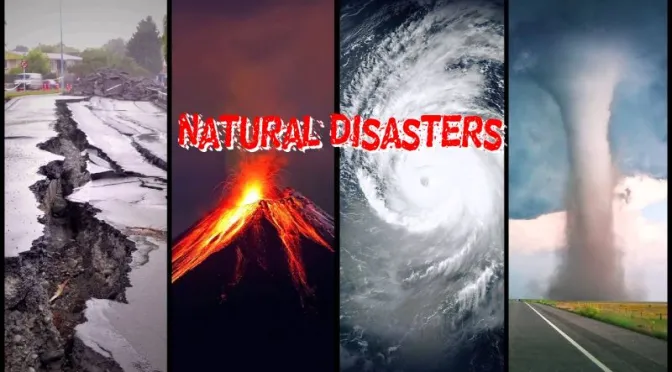
From the St. Helen’s eruption to havoc caused by a tornado, these clips capture just how terrifying natural disasters are.
Video Timeline: 0:00 – Intro to 10 Frightening Natural Disaster Videos 0:23 – Footage of the 1980 Mt. Saint Helens Eruption 4:06 – This Brave Student Captured the Mt. Saint Helens Blast 6:09 – Why the 1989 San Francisco Quake Was So Disastrous 10:08 – Chilling Footage of the 1989 Cypress Freeway Collapse 12:56 – The Most Powerful Tornado Recorded on Earth 16:36 – This Family Hid from a 300 MPH Tornado in a Water Pipe 19:50 – This Couple Filmed the Everest Avalanche Coming at Them 21:56 – Footage of the Alarming Moments Just Before the Everest Avalanche 24:56 – The Damage a Twister Can Do in 15 Minutes is Horrifying 28:00 – The 1974 Double Twister That Hit Alabama
Nature looks at: Keeping electronics from overheating, Covid-19 changes, and how to include minority populations in genetic analyses.
In this episode:
00:46 Cool computers
Keeping components cool is a major hurdle when it comes to increasing electronic power. This week, we find out about a new way to integrate tiny microfluidic channels directly into circuits, to help keep them cool. Research Article: van Erp et al.
06:57 Coronapod
By comparing coronavirus genomes taken from people around the world, researchers are getting an idea of how SARS-CoV-2 is changing as it spreads. We discuss a particular genetic mutation that rapidly became dominant early in the pandemic, and the effect it may have had on the outbreak. News: The coronavirus is mutating — does it matter?
Minority populations are often underrepresented in genetic study recruitment. However, even when data about them is collected it may go unused. We find out why, and what can be done about it. Comment: Don’t ignore genetic data from minority populations


 Boomers Daily