
Nishijin-ori textiles are known for their exquisite detail, and have been made in the Nishijin area of Kyoto, Japan for over 1,200 years. Follow the intricate process involved in creating obi (the sash worn with traditional Japanese clothing), using a specialised technique called hikikaku – weaving with precious metallic thread. From the making of the thread itself, to the weaving on the loom, watch as three obis are made – one from 100-year-old silver foil, one from mother of pearl, and one from the semi-precious stone, lapis lazuli.
Processes: Silver foil obi: 1:26 Mother of pearl obi: 4:17 Lapis lazuli obi: 6:35
Nishijin-ori (西陣織, Nishijin fabric) is a traditional textile produced in the Nishijin (西陣) district of Kamigyō-ku in Kyoto, Japan.
Originating in Heian-kyōto over 1200 years ago, Nishijin weaving is known for its highly-decorative and finely-woven designs, created through the use of tedious and specialised production processes. It is well-regarded for the high quality and craftsmanship of the resulting fabrics, commonly used for high-quality obi and kimono.
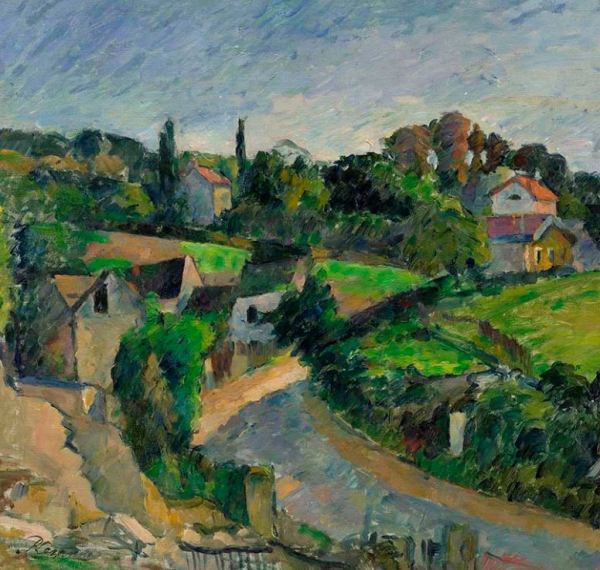 While all of the works on exhibit hold special interest, Aurisch identifies several gems. For example, Van Gogh fans will enjoy his spectacular perspectival rooftop view from the window of his room in The Hague in 1882. Maurice de Vlaminc’s 1906 Dancer at the “Rat Mort” (La danseuse du “Rat Mort”) is a delight with his Fauve treatment of the figure; through color and gestural line, it’s as though we are witnessing a shift into the 20th century. And Henri Matisse’s 1943 still life titled Lemons against a Fleur-de-lis Background (Citrons sur fond rose fleurdelisé) vibrates with lively pink patterned wallpaper and a stacked brick platform, charged with Japonisme energy.
 Boomers Daily