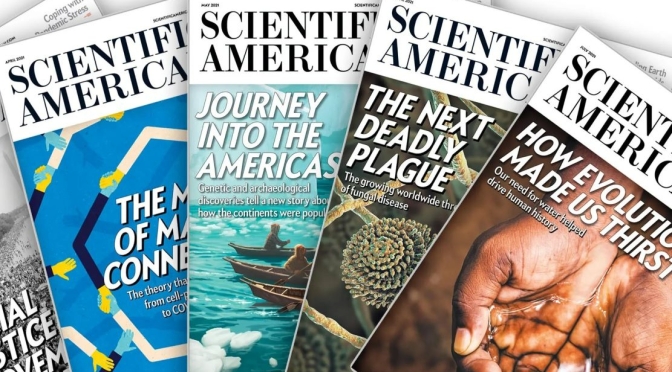
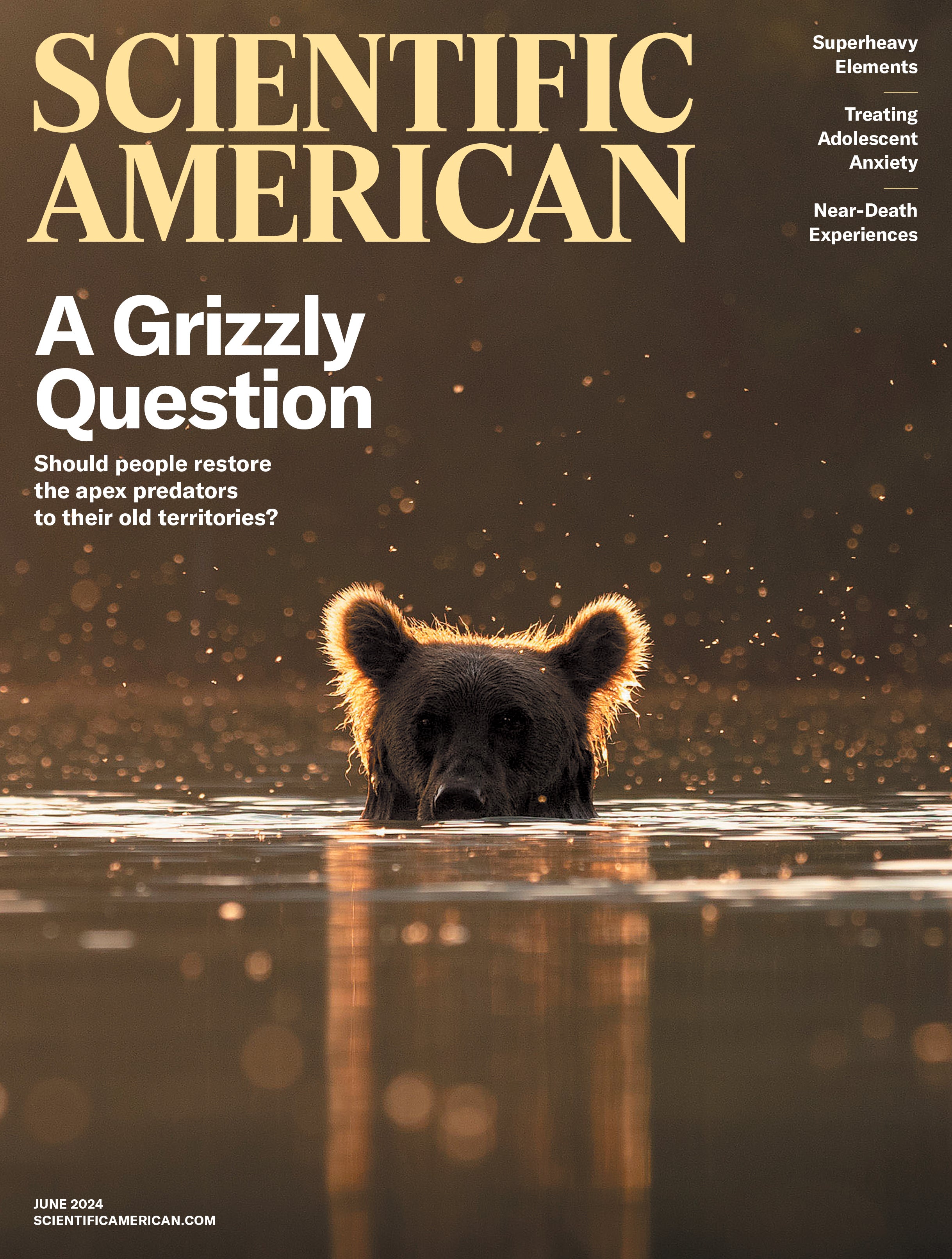

Scientific American (May 15, 2024): The June 2024 issue features:
Grizzly Bears Will Finally Return to Washington State. Humans Aren’t Sure How to Greet Them
BENJAMIN CASSIDY
Lifting the Veil on Near-Death Experiences
RACHEL NUWER

Scientific American (May 15, 2024): The June 2024 issue features:
BENJAMIN CASSIDY
RACHEL NUWER
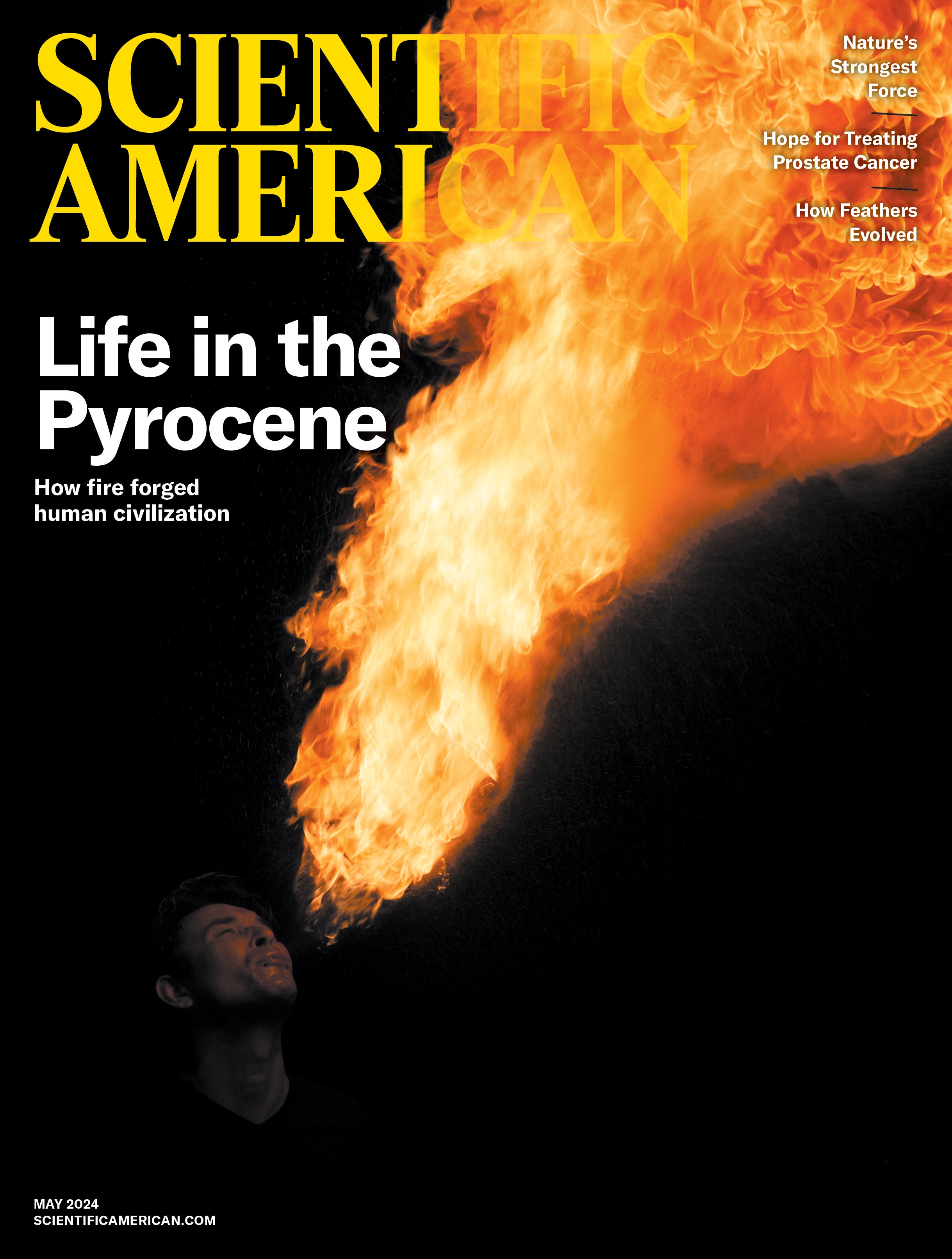
Ancient prophecies of worlds destroyed by fire are becoming realities. How will we respond?
New discoveries demystify the bizarre force that binds atomic nuclei together
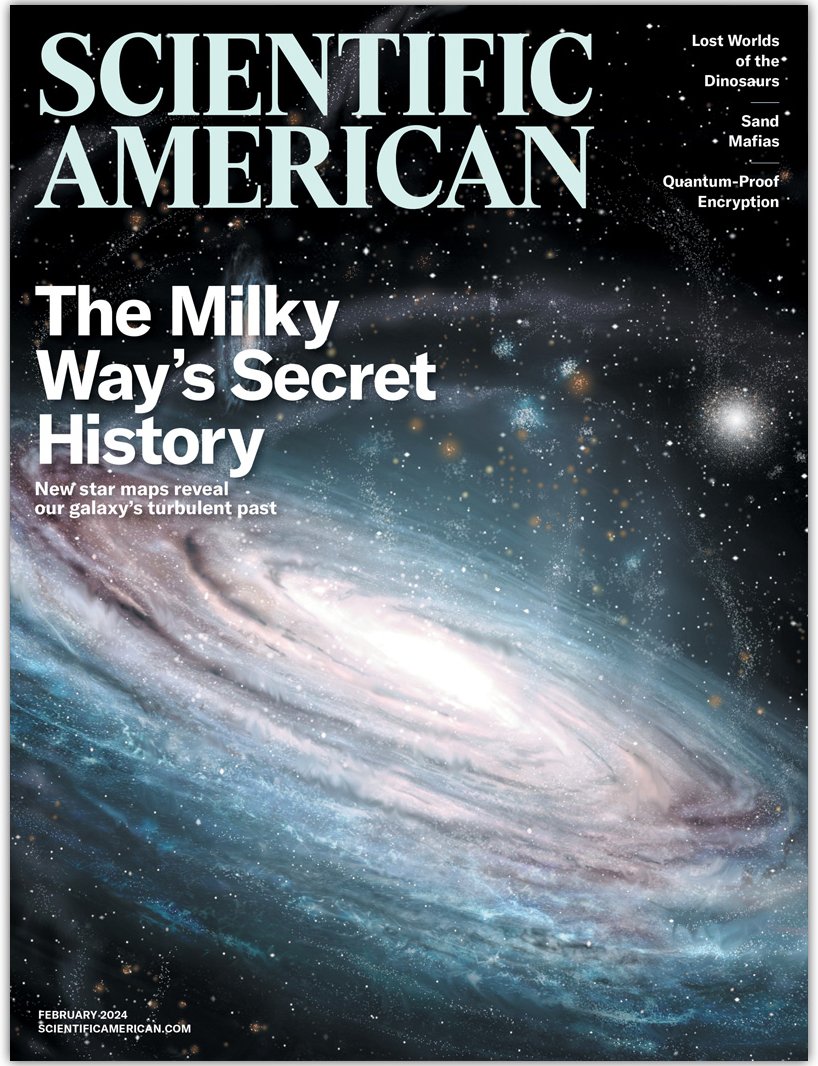
The latest star maps are rewriting the story of our Milky Way, revealing a much more tumultuous history than astronomers suspected
To understand why the universe is made of matter and not antimatter, physicists are looking for a tiny signal in the electron
Special assemblages of minuscule fossils bring dinosaur ecosystems to life
Laser-cooled antimatter opens up new physics experiments, and the staggering economic cost of invasive species.
In this episode:
00:44 Cooling antimatter with a laser focus
Antimatter is annihilated whenever it interacts with regular matter, which makes it tough for physicists to investigate. Now though, a team at CERN have developed a way to trap and cool antihydrogen atoms using lasers, allowing them to better study its properties.
Research Article: Baker et al.
News and Views: Antimatter cooled by laser light
09:27 Research Highlights
A dramatic increase in Arctic lightning strikes, and an acrobatic bunny helps researchers understand hopping.
Research Highlight: Rising temperatures spark boom in Arctic lightning
Research Highlight: Rabbits that do ‘handstands’ help to find a gene for hopping
11:53 Cost of invasion
Invasive alien species are organisms that end up in places where they don’t really belong, usually as a result of human activity. These species can cause loss of biodiversity and a host of damage to their new environments. This week, researchers estimate that the economic impact of invasive species to be over US $1 trillion.
Research Article: Diagne et al.
19:04 Briefing Chat
We discuss some highlights from the Nature Briefing. This time, the physics that might explain how a ship blocked the Suez Canal, and a new insight into octopuses’ sleep patterns.
The Financial Times: The bank effect and the big boat blocking the Suez
 Boomers Daily