Tag Archives: Aberdeenshire

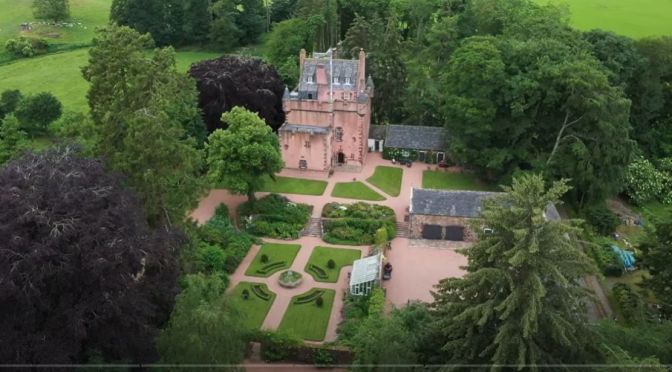
Historic Tours: The ‘Towie Barclay Castle’, Scotland

Wall Street Journal (July 18, 2023) – The Towie Barclay Castle in Aberdeenshire, Scotland, once visited by the late Queen Mother, has all the features of a traditional castle like shot holes, gun loops and stone walls.

Video timeline: 0:00 Towie Barclay 1:32 Entry, kitchen and dining 2:48 The Great Hall 3:56 The library 4:54 The garden 6:39 Maintaining the castle

The 2.7-acre castle grounds, also includes a walled garden, gardener’s cottage and carriage rooms. But it’s also a family home that was purchased by a husband and wife for £4,000 in 1972. Homeowner Karen Ellington opens up the castle doors to share the restoration journey from ruin to refuge.
Scotland Views: The Beltie Burn – A River Restored

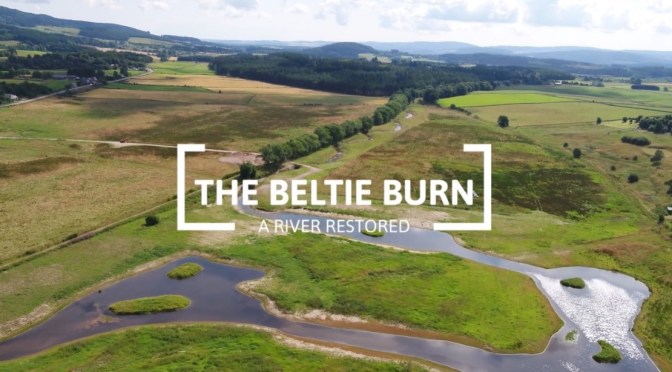
The Easter Beltie Restoration project returned a straightened agricultural stream to a natural meandering course, to improve habitats for nature and boost climate resilience.

The project was the only one of its kind in the north east of Scotland, and has created a new, two-kilometre stretch of meandering river corridor flowing through ten hectares of floodplain, rich in habitats where nature can thrive.

The Beltie Burn is a burn in Aberdeenshire, Scotland, which below Torphins and Glassel is known as the Burn of Canny. It begins in the hill of Benaquhallie, and flows for 25 km south-east through Torphins before joining the River Dee about 4 kilometres west of Banchory.

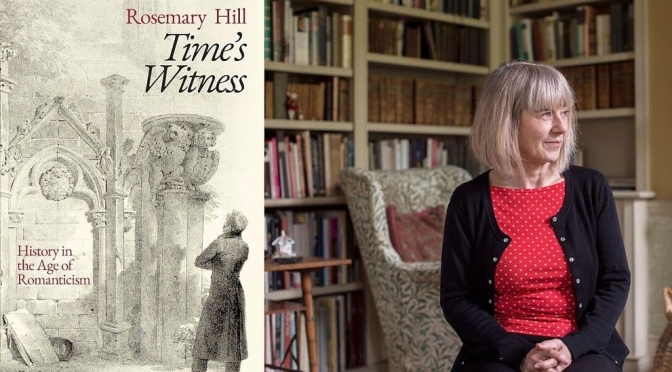
Interview: “Time’s Witness” Author Rosemary Hill

In the 1740s the Scots were invading England and the wearing of tartan was banned. By the 1850s, Queen Victoria had built her Gothic fantasy in Aberdeenshire and tartan was everywhere. What happened in between?

In the second episode of her series on Romantic history, Rosemary Hill talks to Colin Kidd about the myths and traditions of Scottish history created in the 19th century, and the central role of Walter Scott in forging his country’s identity.

In the first episode of a new four-part series looking at the way history was transformed in the Romantic period, Rosemary Hill is joined by Tom Stammers to consider how an argument over the ‘improvement’ of Salisbury Cathedral in 1789 launched a new attitude to the past and its artefacts. Those sentiments were echoed in revolutionary France, where antiquarians risked the guillotine to preserve the monuments of the Ancien Régime.