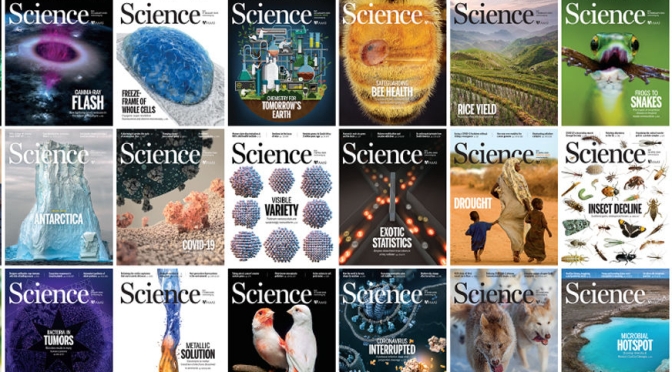
‘Science Magazine – May 2, 2024: The new issue features ‘Superspreading Seeds’ – Influencers spread health messages across remote villages; making sense of evidence on early childhood education; Brain and muscle clocks cooperate to resist aging…
‘Science Magazine – April 25, 2024: The new issue features ‘Born to Explore’ – Exploratory tendency leads to diversification; Can science address loneliness?; Vitamin D, microbiota, and cancer immunity; A safer version of a 140-year-old chemical reaction…
Vitamin D modulates intestinal epithelial cell function to enhance antitumor microbes
The gut microbiome has been shown to modulate the response of cancer patients to therapy, but precisely how microbiota affect anticancer immunity is still being elucidated. Giampazolias et al. report that vitamin D bioavailability in mice influences the composition of the gut microbiome (see the Perspective by Franco and McCoy). After dietary manipulation, vitamin D levels were observed to affect gut bacteria, which in turn improved cancer immunotherapy and antitumor immunity. In humans, low vitamin D levels were correlated with tumor development, and gene signatures of vitamin D activity were associated with improved patient responses to immunotherapy. These findings highlight the connection between vitamin D and the immune system through gut bacteria and may have applications for improving cancer therapies.
The power of curiosity
Lake Tanganyika contains one of the most impressive adaptive radiations, with about 250 species of cichlid occupying a variety of niches. Much research has focused on understanding the drivers of this and other adaptive radiations. Trembo et al. looked in depth at 57 of these cichlid species with regard to their behavior, ecomorphology, and genomics. They found that one behavior in particular, a tendency to explore, was related to niche adaptation, and they identified a regulatory gene that is highly associated with this behavior. These findings suggest the existence of an adaptive syndrome driven in part by a tendency to explore what is new.
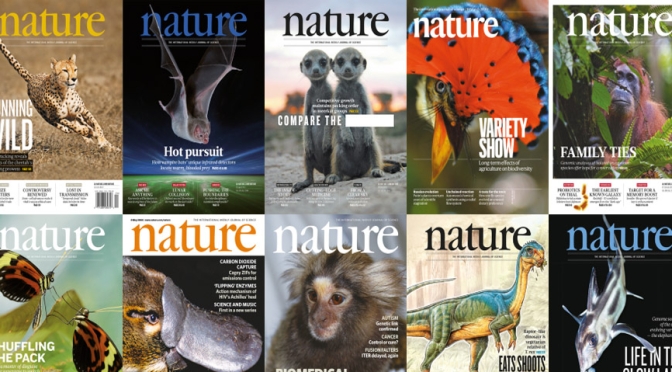
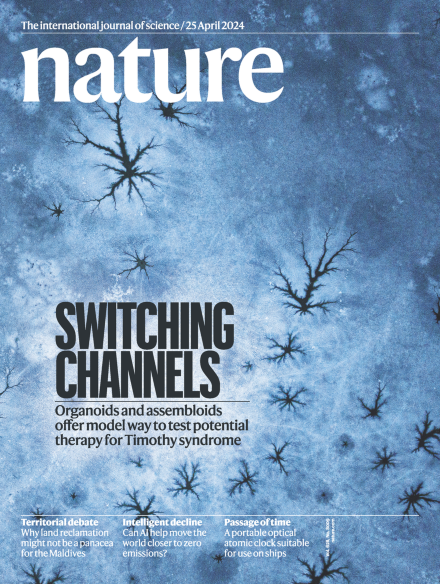
‘Nature Magazine – April 24, 2024: The latest issue cover features‘ Switching Channels’ – Organoids and assembloids offer model way to test potential therapy for Timothy syndrome…
The bioengineered immune players called CAR T cells last longer and work better if pumped up with a large dose of a protein that makes them resemble stem cells.
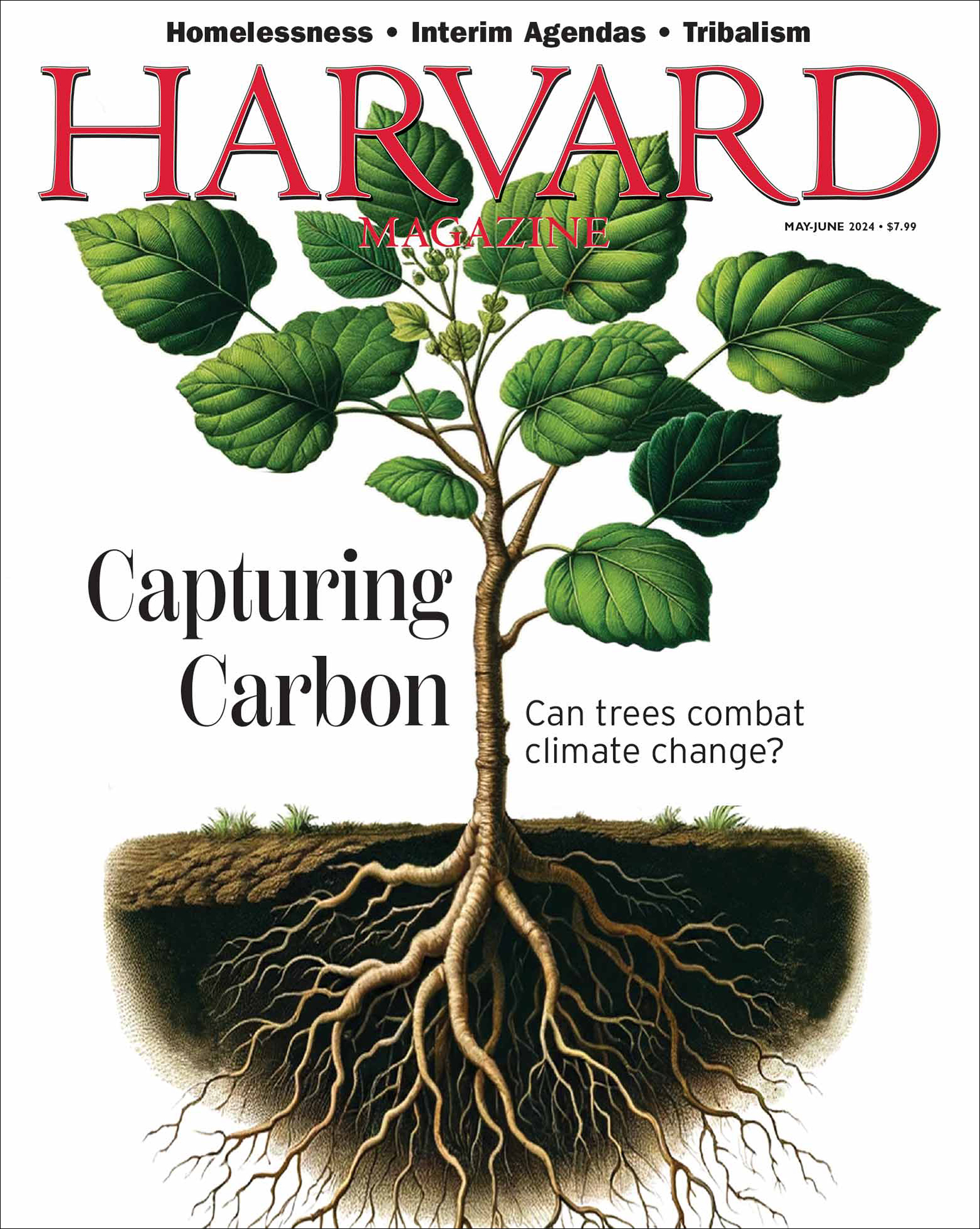
How long will the world’s forests impound carbon below ground?
by Jonathan Shaw
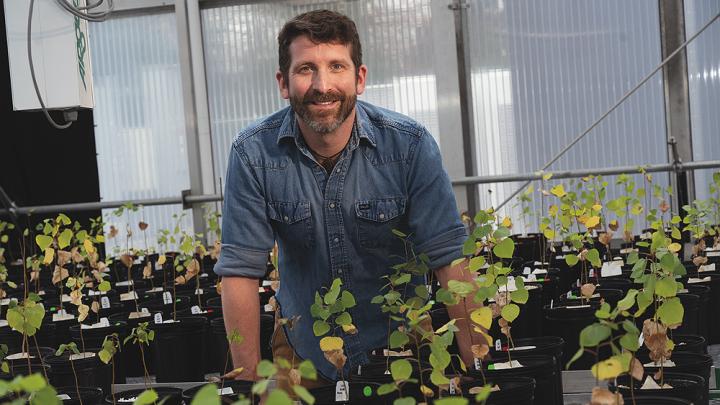
MARYVILLE, Tennessee, lies near the foothills of the Great Smoky Mountains, a range home to more tree species than exist in all of Europe. Benton Taylor grew up amidst this abundance, but as a boy, he barely noticed the plants. In the nearby national park, a family friend was raising—together with a menagerie of other mammals—a pair of bears orphaned as cubs. Taylor dreamed of studying these apex denizens of the forest, who forage at the top of the food chain. But as his education and understanding grew, his curiosity shifted to seed-dispersing animals, plants, and the soil and nutrients that sustain them: a trip down the trophic pyramid, driven by an appreciation of forests as ecological systems in which plants are primary producers. “Now I’ve half moved into the basement,” jokes the assistant professor of organismic and evolutionary biology, whose research encompasses the strategies plants use to obtain essential nutrients such as nitrogen, and how that, in turn, affects their ability to store another vital element with a global climate impact: carbon.
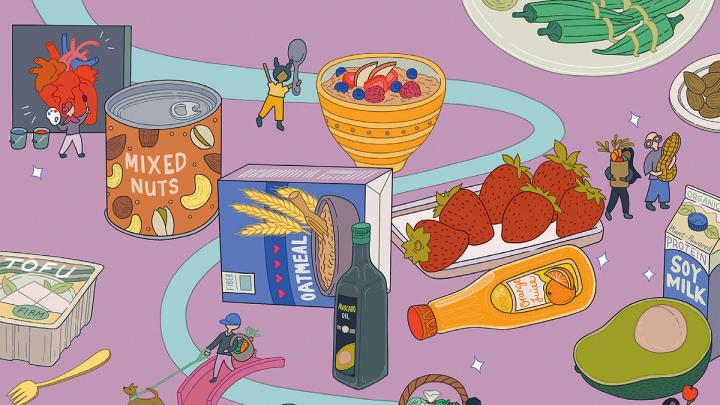
DIVERSIFYING one’s assets is useful not only in finance but also in diet, according to an October study from the Harvard T.H. Chan School of Public Health (HSPH). Though not many people have heard of the “portfolio diet”—consisting of plant-based foods proven to lower unhealthy cholesterol, such as nuts, oats, berries, and avocados—it is one of the easiest ways to improve long-term cardiovascular health. “The idea was that each of these foods lowers cholesterol quite minimally, but if you make a whole diet based on these different foods, you will see large reductions in [unhealthy] cholesterol,” said Andrea Glenn, an HSPH postdoctoral research fellow in nutrition and the lead author of the study. The more of these foods one eats, the higher the protection—but one need not include them all to reap the diet’s benefits, she said. “Like a business portfolio, you can choose the ones you want.”
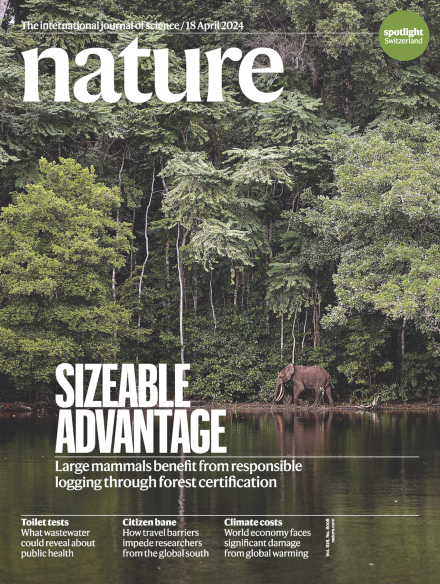
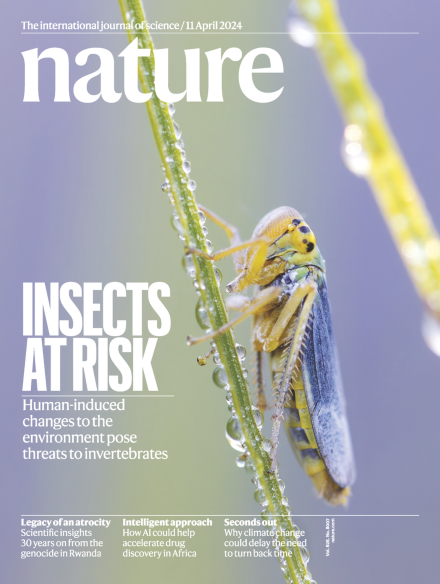
Nature Magazine – April 11, 2024: The latest issue cover features the environmental challenges now facing insect populations, with climate change emerging as a key factor whose influence has potentially been underestimated…
Science Magazine – April 4, 2024: The new issue features ‘Lucy At 50’ – Fifty years ago in Ethiopia, paleoanthropologists unearthed the 3.2-million-year-old skeleton known as “Lucy” and transformed our views of humanity’s origins.







 S
S




 Boomers Daily