An injectable HIV drug with a novel mechanism shows remarkable ability to prevent infection
Mantle waves sculpt the continents
When the forces of plate tectonics tear continents apart, it’s an incredibly violent process, unfolding in slow motion. It was also thought to be very local: Magma from hot, rising mantle rock seeds volcanoes along the rift zone, while the far-removed cold interiors of continents remain intact.
Multicellularity came early for ancient eukaryotes
Microscopic algalike fossils from China reported early this year astounded evolutionary biologists with their extreme age. Dated at 1.6 billion years old, the specimens suggest one of the hallmarks of complex life—multicellularity—arose far earlier than previously thought.
A new type of magnetism emerges
For 98 years, physicists knew of two types of permanently magnetic materials. Now, they’ve found a third. In familiar ferromagnets such as iron, unpaired electrons on neighboring atoms spin in the same direction, magnetizing the material so that, for example, it sticks to a refrigerator. Antiferromagnets such as chromium have zero overall magnetism, but they possess an atomic-scale magnetic pattern, with neighboring electrons spinning in opposite directions. Novel altermagnets—hypothesized 5 years ago—share aspects of both.
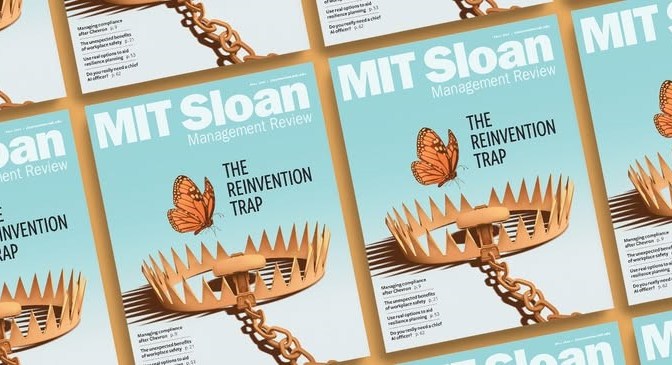
MIT Sloan Management Review (December 4, 2024):Looking beyond AI, many of our top 10 stories involve tough culture and people management challenges, like dealing with the informal meetings that happen after formal meetings (No. 2) and getting people to stop self-censoring with company leaders (No. 5). These two stories, by Phillip G. Clampitt and Jim Detert, respectively, truly struck a nerve with readers. At a time of radical change, communication and trust have never been more important.
In this brief video, learn what the latest research and current examples say about return-to-office mandates — and what leaders can do instead to boost productivity and retain talent.
Most people know what can’t be said in their organization. But leaders can apply these techniques to break through the unwritten rules that make people self-censor.
Michael Schrage, David Kiron, François Candelon, Shervin Khodabandeh, and Michael Chu
This artificial intelligence and business strategy report looks at how organizations are using AI to evolve their key performance indicators to better align with their strategies and deliver on enterprise goals.
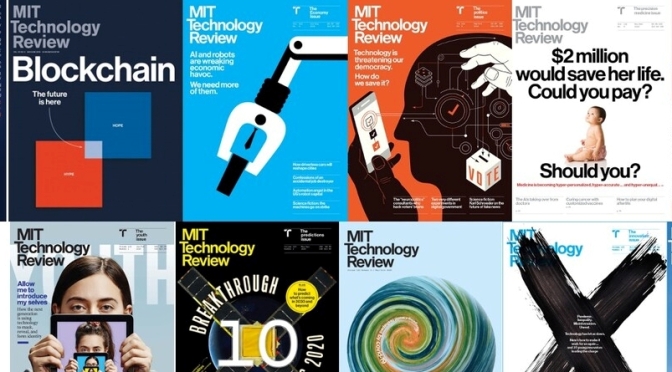
MIT Technology Review (Novemer 24, 2024): This week’s round up includes Google DeepMind has a new way to look inside an AI’s “mind”. Inside Clear’s ambitions to manage your identity beyond the airport. Who’s to blame for climate change? And more.
How this grassroots effort could make AI voices more diverse A massive volunteer-led effort to collect training data in more languages, from people of more ages and genders, could help make the next generation of voice AI more inclusive and less exploitative.
The rise of Bluesky, and the splintering of social You may have read that it was a big week for Bluesky. If you’re not familiar, Bluesky is, essentially, a Twitter clone that publishes short-form status updates.

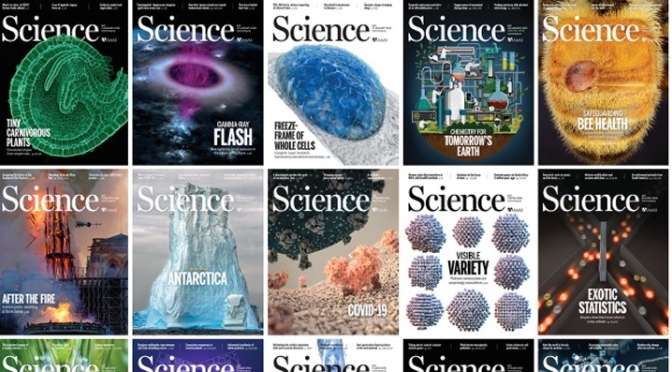



 Science Magazine – December 13, 2024: The new issue features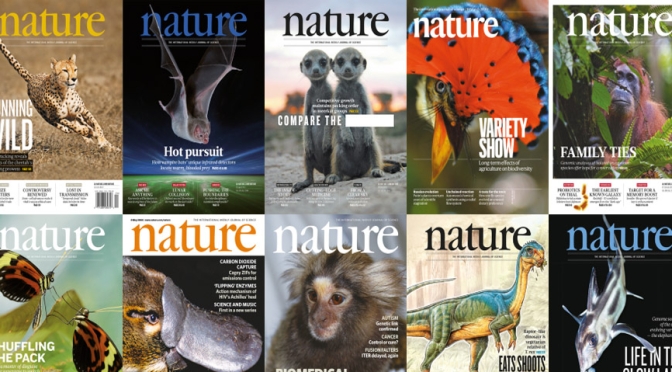







 Boomers Daily