

From the Oregon State Parks website:
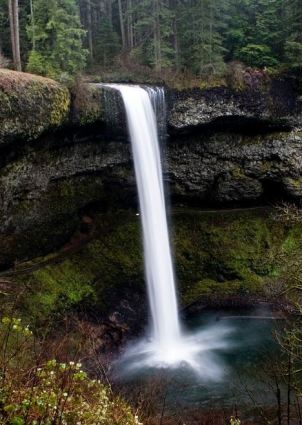 People call it the “crown jewel” of the Oregon State Parks system, and once you visit, you know why. Silver Falls State Park is the kind of standout scenic treasure that puts Oregon firmly onto the national—and international—stage. Its beauty, boundless recreational opportunities and historic presence keep it there.
Waterfalls: Where else can you walk behind a waterfall? Check out the famous South Falls and see what a 177-foot curtain of water looks like from behind. It’s part of the Trail of Ten Falls, a spectacular, nationally recognized hiking trail that weaves through a dense forested landscape. The trail passes a series of breathtaking waterfalls along a rocky canyon, and descends to a winding creek at the forest floor. This 7.2 mile loop is considered to be a moderate hike, with an overall elevation change of 800 feet. Several connecting trails with separate access points make shorter routes. For everyone’s safety— absolutely no pets allowed on the Canyon Trail. Pets on leash are allowed on all other trails.
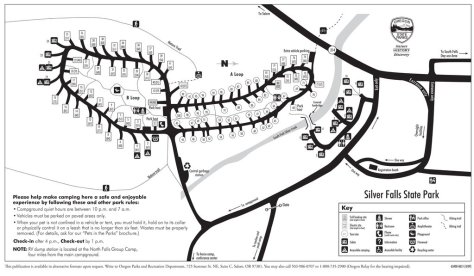
Boots, bikes, paws, hooves: The park offers more than 35 miles of backcountry trails for mountain biking, hiking or horseback riding (see guided ride info below). Bears and cougars live in the more remote park areas.
To read more click on the following link: https://oregonstateparks.reserveamerica.com/camping/silver-falls-state-park/r/campgroundDetails.do?contractCode=OR&parkId=402235
 The accurately named
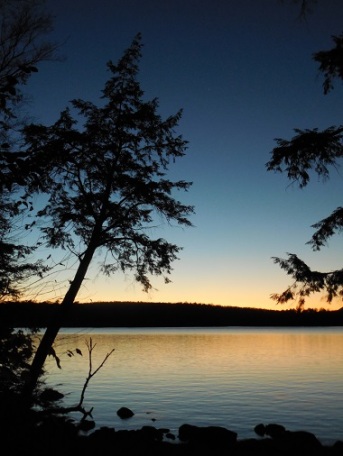 Cranberry Lake is one of the largest remote lakes in the Adirondacks, so it is no wonder the beauty is off the charts. Civilization has barely encroached upon this pristine wilderness so campers enjoy more solitude than usually found at established campgrounds. Outdoor enthusiasts have plenty to do with dozens of trails in the Five Ponds Wilderness Area that wind through the surrounding forest, and the lake is stocked with trout for the avid fisherman. It isn’t a small campground — more than 170 sites — but the sound of rocking lake waves fills the air, creating the ultimate sound machine to help you drift off to sleep at night.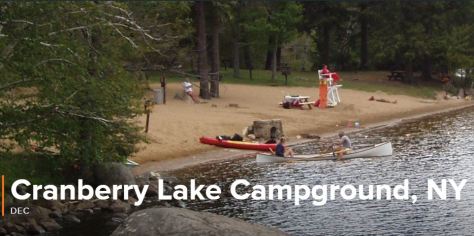
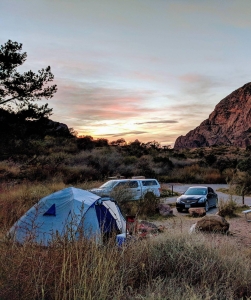 Surrounded by rugged cliffs high in the Chisos Mountains,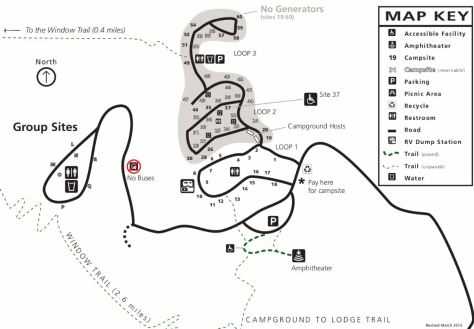
 One of America’s most iconic national parks, it’s no surprise to learn that the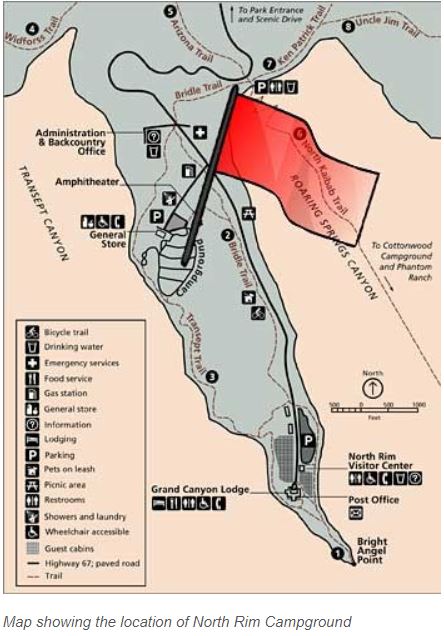
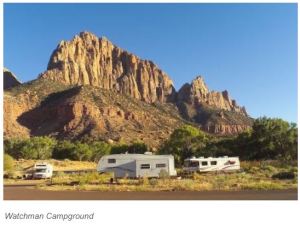 The
The 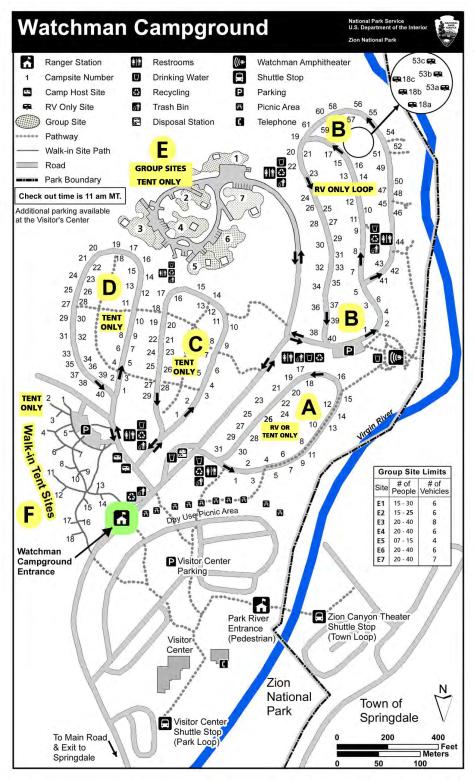
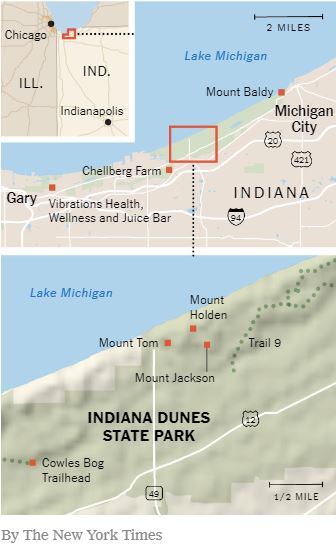 The volunteer encouraged me to take the 3 Dune Challenge, a 1.5-mile hike up Indiana Dunes’ three highest dunes (Mount Tom, 192 feet; Mount Holden, 184 feet; Mount Jackson, 176 feet), adding that completion of the Challenge would yield a “special reward.”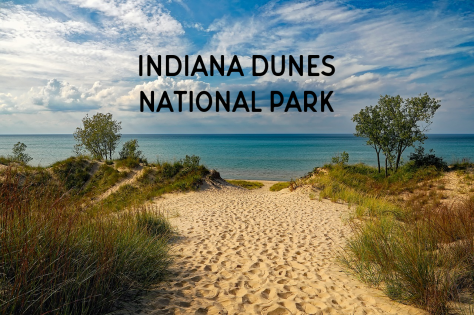
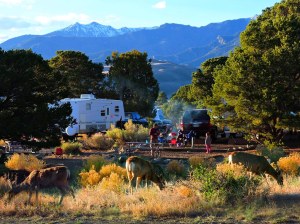 “After a day sledding down the largest sand dunes in North America, Piñon Flats, a decidedly un-sandy campground protected by the shade of cottonwood and conifer, is where you want to be. The Great Sand Dunes National Park’s April-October seasonal campground has 88 individual sites and 15 group sites, all of which are framed by views of the dunes and the Sangre de Cristo Mountains in the distance. All campsites require reservations and come complete with fire pits and picnic tables. Each loop of the campground has restrooms with flush toilets and potable water.”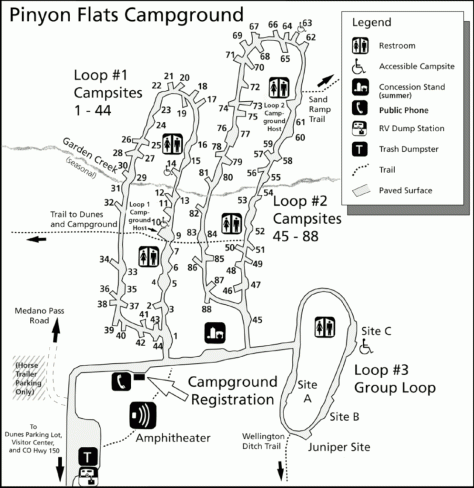
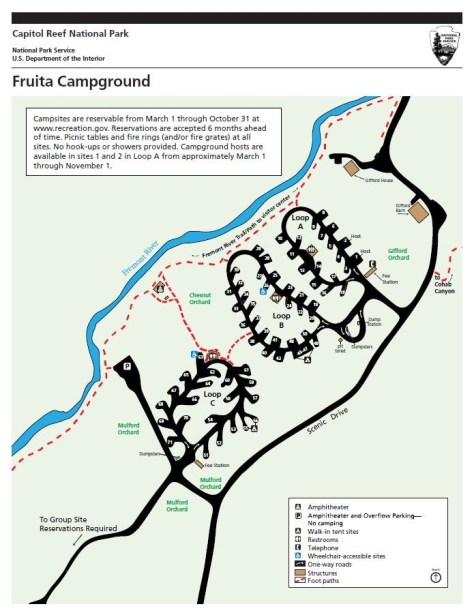
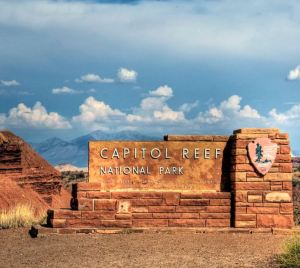 “Capitol Reef National Park is known for its cliffs and canyons of red rock, which makes Fruita Campground something of an anomaly. Fed by the Fremont River, which rolls along the campground’s edge, Fruita is literally an oasis in the desert, surrounded by the cool, green shade of historic orchards. During the peak season, most of the 64-tent/RV sites and seven walk-in sites, complete with flushing toilets, running water, and fire pits or grills, can be reserved; during off-season they switch to a first-come first-serve system.”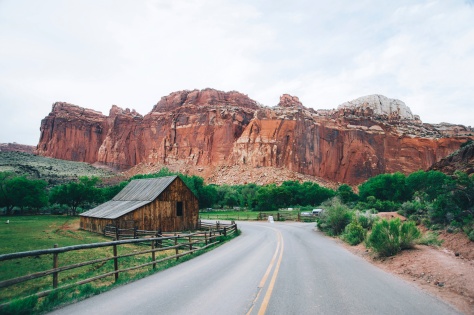
 Boomers Daily