
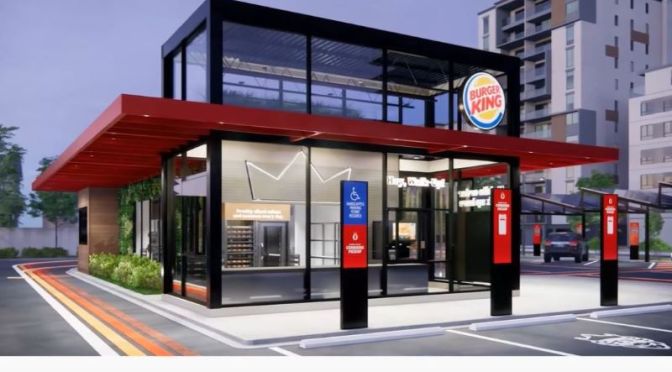
Burger King unveiled its new prototype last month, a prototype that it began working on shortly after the pandemic began. It features a much smaller dining room, or no dining room at all, along with two or three drive-thru lanes, walk-up windows and curbside lanes. Some of the options allow for the complete removal of indoor seating.

Burger King’s latest restaurant design assumes that customers will not go back to dine-in service.
It’s not as if the Miami-based burger chain’s latest prototype doesn’t feature indoor seats. But its restaurants are 60% smaller, meaning a much smaller dining room. And one version of it replaces the dining room altogether with patio seating.
But the design is heavy on takeout options, an acknowledgement that consumers have been shifting that way for some time and then went all-in on takeout during the pandemic. It features two or three drive-thru lanes, with digital menu boards and merchandising. A “living wall” provides a view into the kitchen interior featuring Burger King’s broiler. And there’s an external walkup window on the glass façade.
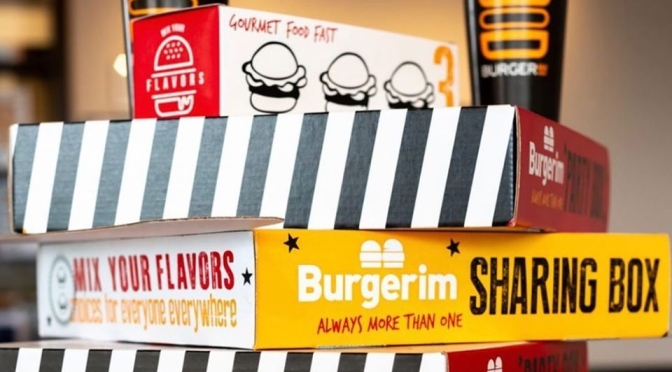
 With 11 protein options for its burgers (including salmon, lamb, falafel and dry-aged beef), two patty sizes and a host of toppings, Burgerim—which increased its unit count by nearly 250% in 2018 to become the country’s fastest-growing emerging chain—is upping the complexity of the traditional burger concept.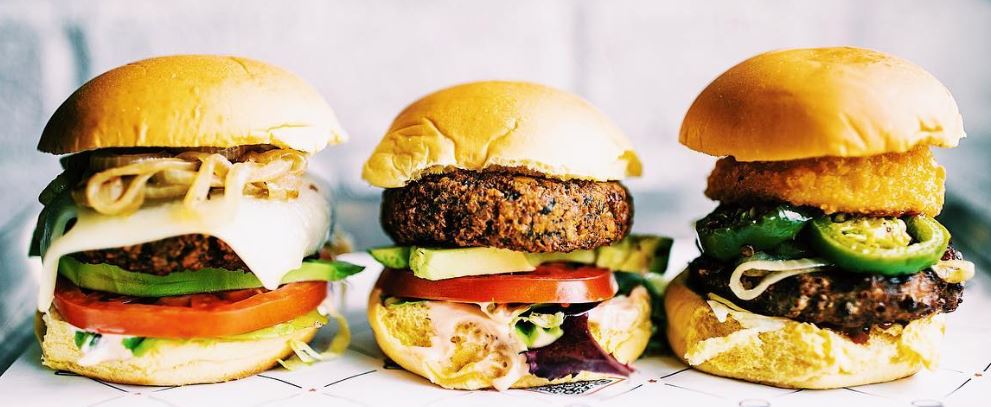

 Boomers Daily