Science Magazine – July 14, 2023 issue: There have been huge strides in the development and application of artificial intelligence (AI) to science and society. But will AI eclipse humans, or will we find a way to safely and fairly collaborate, allowing us to reach further?
Huge strides have been made in the development of machine-learning algorithms to generate what is commonly called artifi cial intelligence (AI). Looking to the forefront of how AI is being used in science and society reveals many benefi ts, as well as grand challenges, that must be addressed.
Despite advances in molecular biology, genetics, computation, and medicinal chemistry, infectious disease remains an ominous threat to public health. Addressing the challenges posed by pathogen outbreaks, pandemics, and antimicrobial resistance will require concerted interdisciplinary efforts.
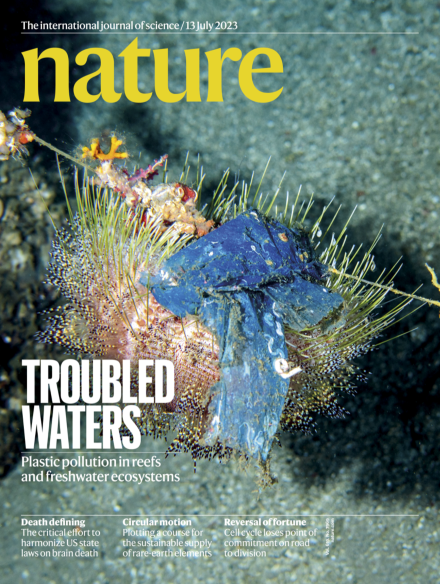
nature Magazine -July 13, 2023 issue:Usually, sea urchins procure blades of seagrass or small pieces of rubble to help them blend in with the sea floor, but the fire urchin (Asthenosoma varium) on the cover has instead appropriated the remnants of a blue plastic bag and is entangled in a discarded fishing line stuck on a reef.
Coverage of wispy cirrus clouds is linked to episodes of electrical activity.
Lightning is typically seen when imposing cumulonimbus clouds fill the sky. But new research shows that these bolts of electricity can also be used to forecast thin and wispy clouds that warm the world by reflecting heat back to the surface.
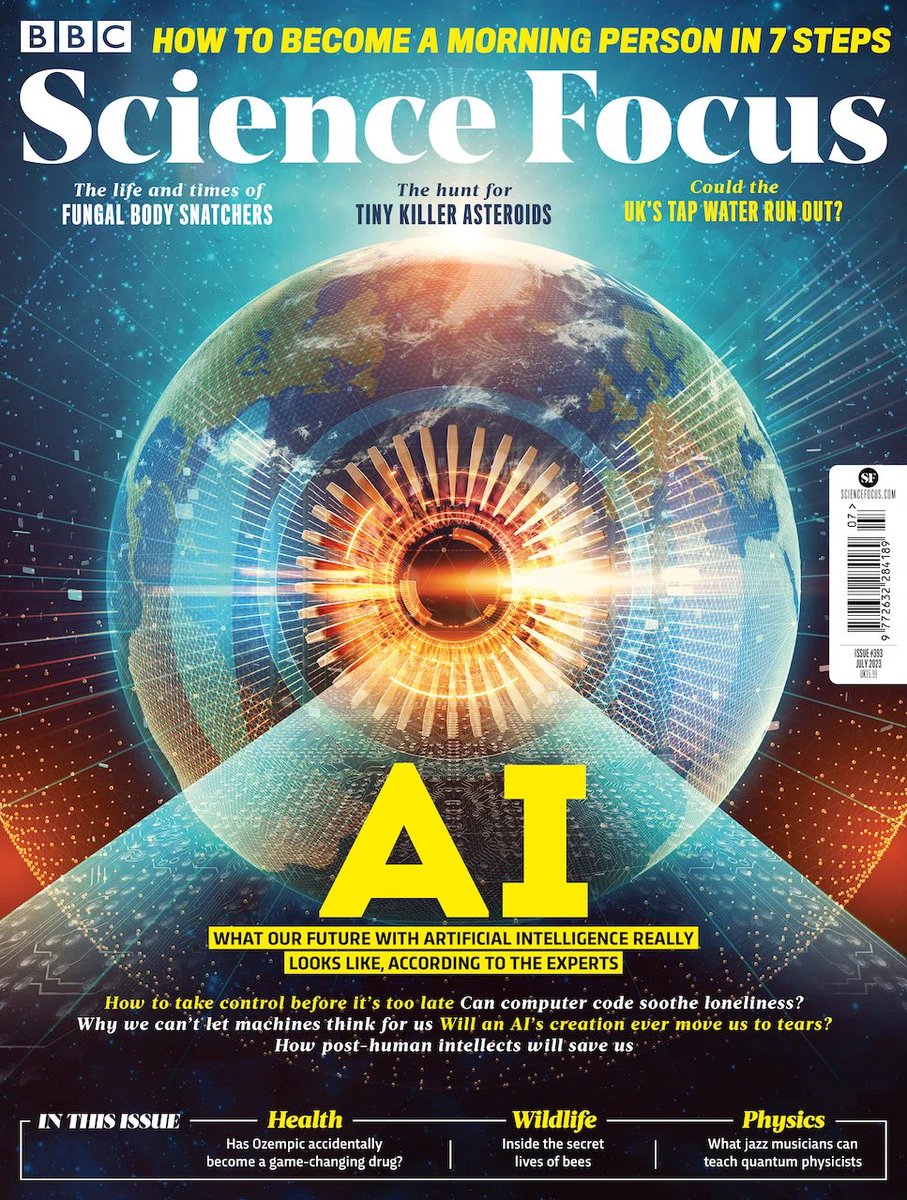
BBC Science Focus Magazine (July 2023) – What our future with Artificial Intelligence really looks like, according to the experts; How to take control of AI before it’s too late, and more…
OpenAI is back in the headlines with news that it is updating its viral ChatGPT with a new version called GPT-4. But when will this be available, how does it work and can you use it?
Artificial intelligence art generators train themselves on art pulled straight from the internet… but what happens when most of the art out there is now made by AI?
nature Magazine -July 6, 2023 issue:Shape shifters – DNA origami allows useful supramolecular structures to be created from templates. But the process has its limitations, with most structures confined to two configurations: folded or unfolded.
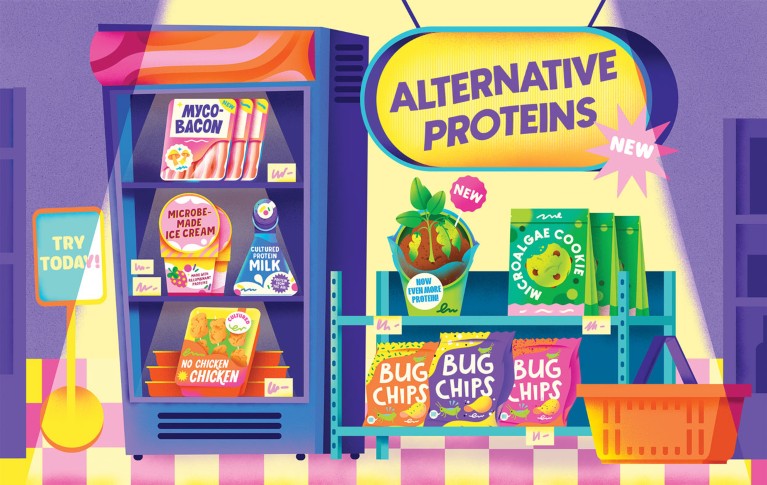
Humanity needs to eat less meat. Here are seven alternatives.
Would you eat a burger enriched with mealworms? Fake bacon sliced from a mass of fermented fungi? Milk proteins extruded by microbes? Maybe you already have. Dozens of companies are now banking on these alternatives to animal protein becoming a regular part of your diet.
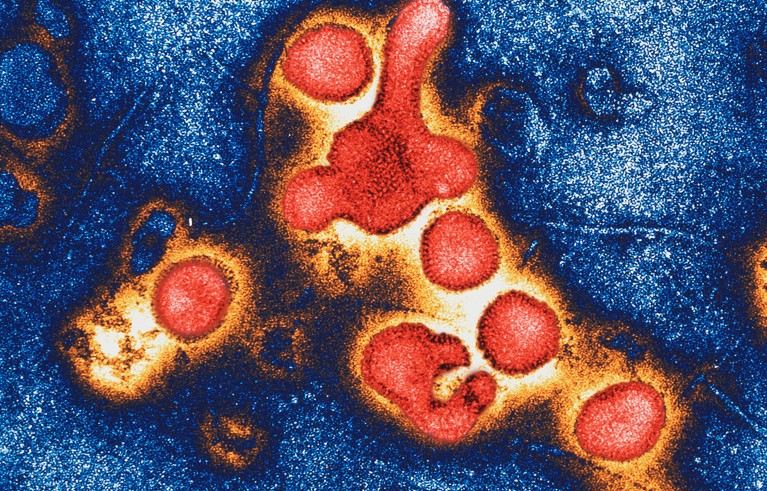
Complexes formed from ‘nanobodies’ and an antiviral drug halt infection in its tracks.
A dynamic duo comprising an antiviral drug joined to an antibody fragment provides strong protection against the two main types of influenza that infect humans, according to research in mice.
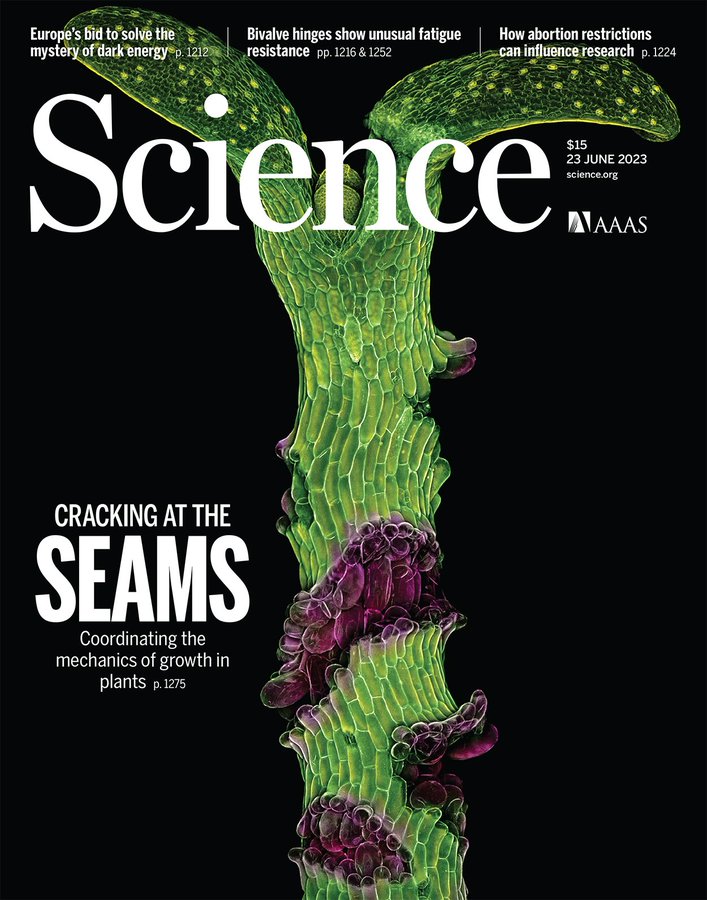
Science Magazine – June 30, 2023 issue: Vapor from liquid nitrogen wafts over a rat kidney awaiting a groundbreaking preservation method at the University of Minnesota. Scientists there have learned how to cool the organ to –150°C and rewarm it while minimizing freezing damage, enabling it to work after being transplanted.
nature Magazine -June 29, 2023 issue: RNA molecules can adopt complex 3D structures, but whether DNA can self-assemble into similar 3D folded structures has been less clear. In this week’s issue, Luiz Passalacqua and his colleagues use a DNA mimic of green fluorescent protein (GFP) to investigate this question.
Freely accessible large language models have accelerated the pace of innovation, computer scientists say.
The craze for generative artificial intelligence (AI) that began with the release of OpenAI’s ChatGPT shows no sign of abating. But while large technology companies such as OpenAI and Google have captured the attention of the wider public — and are finding ways to monetize their AI tools — a quieter revolution is being waged by researchers and software engineers at smaller organizations.
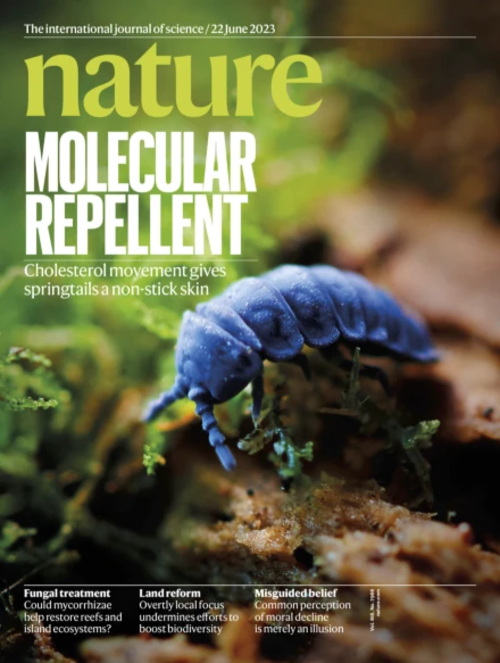
nature Magazine -June 22, 2023 issue: 00:45 Why losing the Y chromosome makes bladder cancer more aggressive; How pollution particles ferry influenza virus deep into the lungs, and why artificial lights could dazzle glow worms into extinction.
Science Magazine – June 16, 2023 issue: A wild little penguin (Eudyptula minor) stands silhouetted against the city of Melbourne, Australia. Increasing levels of light pollution are having adverse effects on humans and the natural world.
For most of history, the only lights made by humans were naked flames. Daily life was governed by the times of sunrise and sunset, outdoor nighttime activities depended on the phase of the Moon, and viewing the stars was a common and culturally important activity. Today, the widespread deployment of outdoor electric lighting means that the night is no longer dark for most people—few can see the Milky Way from their homes. Outdoor lighting has many legitimate uses that have benefited society. However, it often leads to illumination at times and locations that are unnecessary, excessive, intrusive, or harmful: light pollution.
Data on shark populations in coral reefs raise concern and hope for recovery
Sharks and their relatives are some of the most threatened vertebrates on Earth, with approximately one-third estimated or assessed as threatened with extinction (1). This is a major problem because as predators that help keep the food web in balance, these animals play a variety of vitally important ecological roles (2) and in doing so help to keep healthy many ecosystems that humans depend on. Coral reefs provide homes for countless fish species that are vital for fisheries and are therefore an especially important ecosystem for humans—and one where the decline of shark populations seems to be especially acute
News, Views and Reviews For The Intellectually Curious

















 Boomers Daily