Tag Archives: Northeastern France

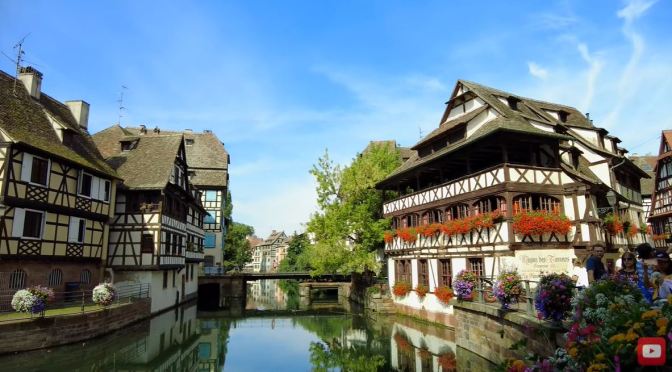
Walks: Petite-France In Strasbourg (4K Video)

Petite France is the city’s lively tourist hub, known for cobblestone streets, canals, and well-preserved half-timbered homes like the Tanners’ House, built in 1572. A terrace atop the 17th-century Barrage Vauban, a covered bridge and dam, offers panoramic views. Alsatian eateries dot the area, while shops on and around Grand’Rue sell clothing and souvenirs such as crockery, wine, and specialty teas.

Strasbourg is the capital city of the Grand Est region, formerly Alsace, in northeastern France. It’s also the formal seat of the European Parliament and sits near the German border, with culture and architecture blending German and French influences. Its Gothic Cathédrale Notre-Dame features daily shows from its astronomical clock and sweeping views of the Rhine River from partway up its 142m spire.

Walking Tours: Reims – Northeastern France

Reims is a city in northeastern France’s Grand Est region. It’s the unofficial capital of the Champagne wine-growing region, and many of the champagne houses headquartered there offer tastings and cellar tours. For more than 1,000 years, French kings were crowned at its Cathédrale Notre-Dame de Reims. This grand cathedral is known for its stained-glass windows and Gothic carved portals, including the Smiling Angel. 

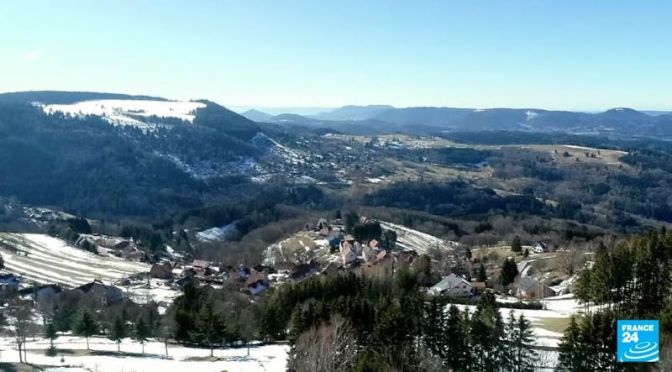
Travel & Culture: ‘Winter In Champ Du Feu’, Vosges Mountains, France (Video)

Located in France’s eastern Vosges region, the Champ du Feu is a stunning patch of wildlife; a giant meadow that stretches out 1,099 metres above sea level. This vast area can be crossed on Icelandic horses during magical wintry treks. But during the harsh Vosges winters, some locals prefer more indoor activities such as fruit distillation, which produces different kinds of alcohol. The result is a pure concentrate of the Vosges: a wild region brimming with natural beauty all year round.

The Vosges are a range of low mountains in eastern France, near its border with Germany. Together with the Palatine Forest to the north on the German side of the border, they form a single geomorphological unit and low mountain range of around 8,000 km² in area.