
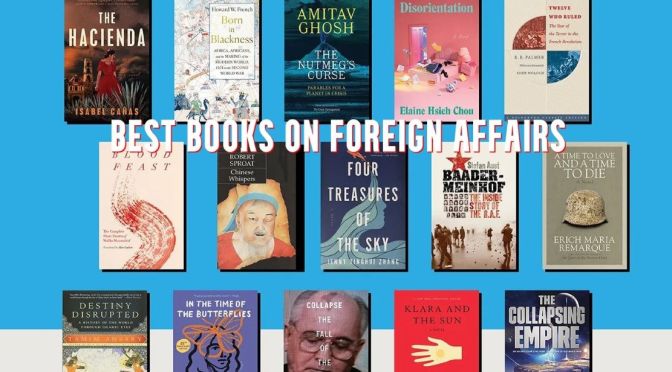
 Foreign Affairs Magazine: The very best of the hundreds of books on international politics, economics, and history that were featured in the magazine this year, selected by Foreign Affairs’ editors and book reviewers.
The Party’s Interests Come First: The Life of Xi Zhongxun, Father of Xi Jinping
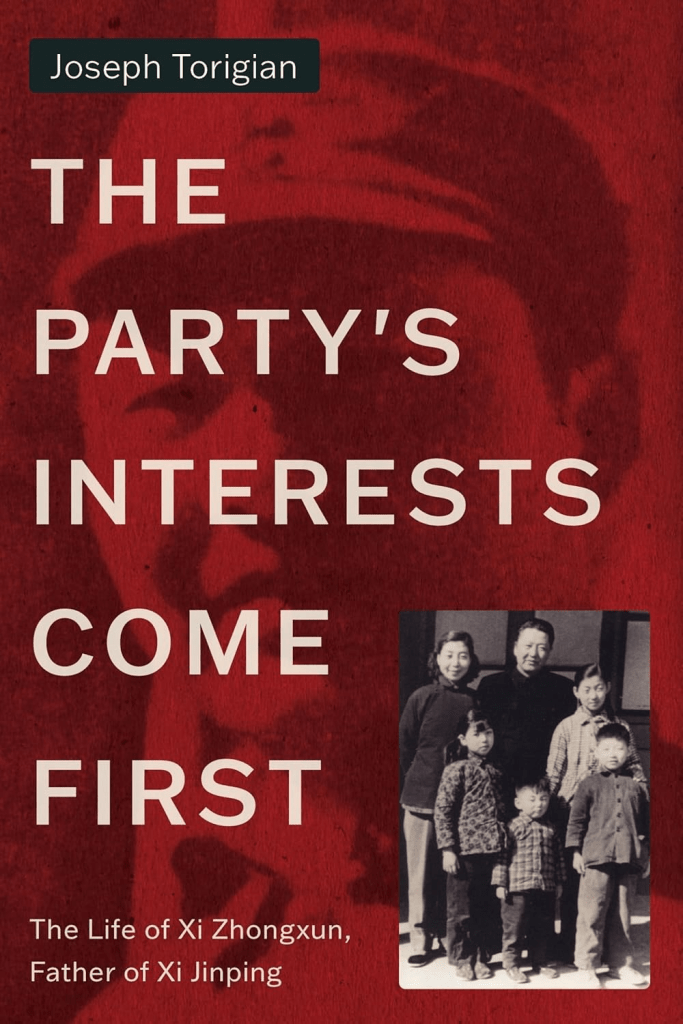
by Joseph Torigian
In this prodigiously researched epic, Torigian details the life of Xi Zhongxun—the father of China’s current leader, Xi Jinping—to explain the history of the Chinese Communist Party. Along the way, readers gain a sense of how the younger Xi became the man he is today.

Zbig: The Life of Zbigniew Brzezinski, America’s Great Power Prophet
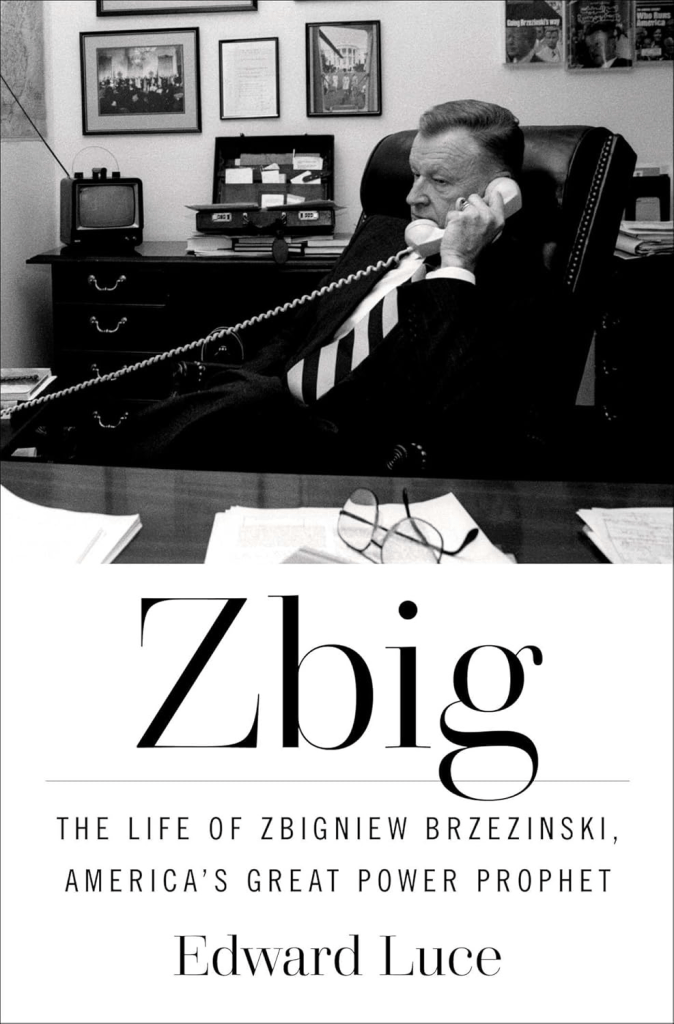
by Edward Luce
Luce, a gifted storyteller, chronicles the personal life and intellectual journey of former National Security Adviser Zbigniew Brzezinski, who played a significant but underappreciated role in opening the United States to China, bringing the Cold War to an end, and shaping the world that came after. In writing this gem of a book, Luce has rendered a genuine service to history.

Our Dear Friends in Moscow: The Inside Story of a Broken Generation
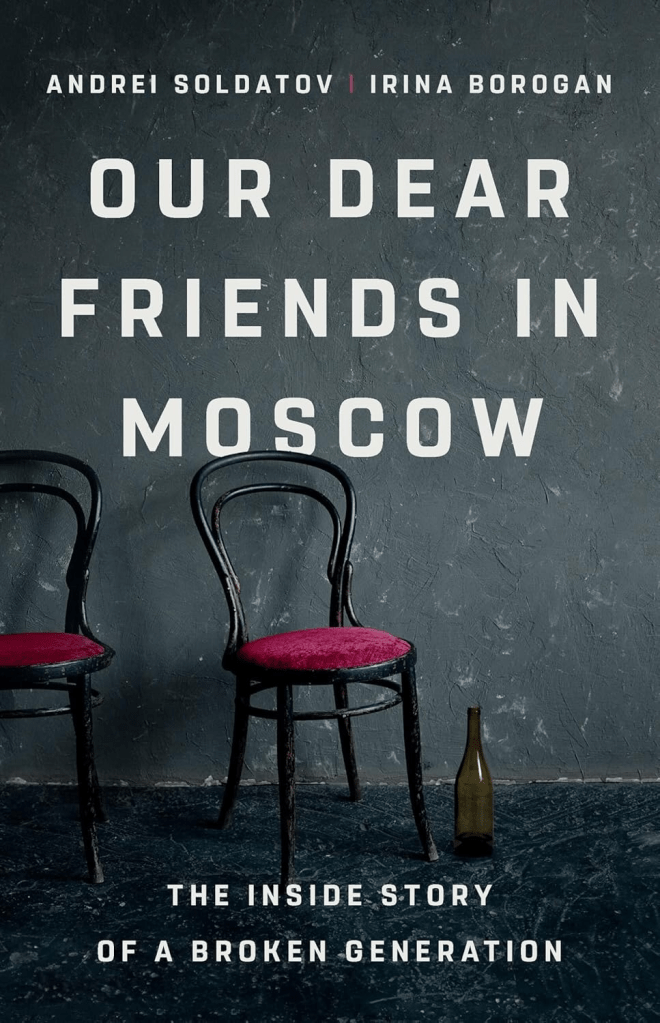
by Irina Borogan and Andrei Soldatov
Soldatov and Borogon, two Russian journalists, tell the story of their one-time group of friends and colleagues—young Russians who, over the course of the Putin years, steadily drift toward nationalist and illiberal ideas and end up as supporters of Russia’s war in Ukraine.

The West: The History of an Idea
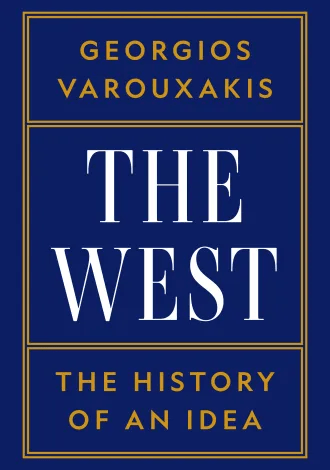
by George Varouxakis
In this masterful study, Varouxakis tracks the meanings of “the West” from the late eighteenth century to the present—and argues that the modern notion of the term emerged in the 1830s as a way to distinguish western Europe from Russia. Today, for beleaguered countries such as Ukraine, “the West” is still a powerful idea.


 At the trial, experts analyzed and propounded, and he himself spoke lucidly and in apparent control. Yet Carrère, on hand to cover the proceedings for Le Nouvel Observateur, remarks that those in the courtroom “have had ample time to wonder, from the height of our clinical ignorance and flying in the face of four psychiatric experts, if he really belonged in a criminal court, and if what you felt on your nape wasn’t the cold wind of psychosis.” He ends his two-part article this way: “Behind his glass enclosure, Romand listens expressionless. No one knows what he’s thinking, not even him.”
 Boomers Daily