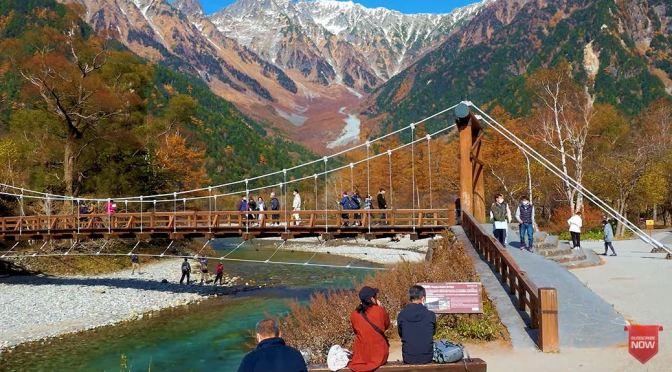
Kamikōchi is a remote mountainous highland valley within the Hida Mountains range, in the western region of Nagano Prefecture, Japan. It has been preserved in its natural state within Chūbu-Sangaku National Park.
Video timeline: 0:00 Taisho Pond 2:44 Mt. Yakedake 7:00 Tashiro Pond 11:14 Azusa River 21:30 Kappa Bridge (Kappabashi)
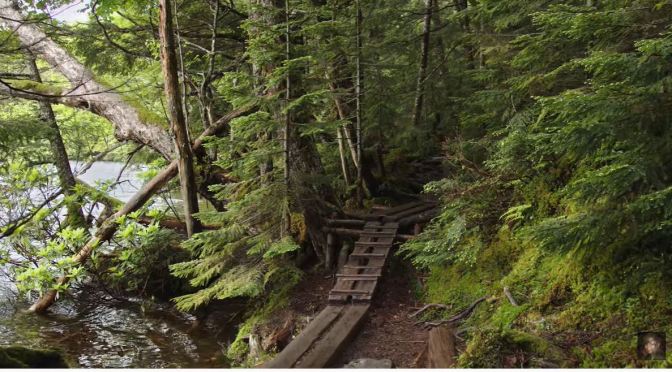
The Yachiho Plateau extends to the eastern foot of Mt. Northern Yatsugatake. On this vast Yachiho Plateau, 500,000 birch forests are vegetated on a site of about 200 ha. The forest is called the best birch forest in the Orient. At the top of the Yachiho Plateau is Shirakoma Pond, the largest lake in Japan, where moss and native forest are mysterious. The pond has a circumference of 1.35 kilometers and is located in the highlands at an altitude of 2,000 meters.
Video timeline: 00:00 タイトル(Title) 00:18 八千穂高原自然園(Yachiho Kogen Nature Park) 09:09 白樺群生林(The White Birch Forest) 17:37 白駒池と苔の森(Shirakoma Pond and Moss Forest)
This is a very small village in Hakuba, and unfortunately there is no public transport to get there. After driving up the mountain for about 20 minutes from Hakuba-station, you will come to an amazing view with 14 large traditional Japanese houses and 7 warehouses, that were build during the Edo period (1603-1868) and the Meiji period (1868-1912).
This village is stated to be Japan’s important preservation district of historic buildings. It keeps it traditional atmosphere, has not been turned into a tourist spot.
You will be able to enjoy the primitive relaxing walk here just like the olden times. It is also famous for their beautiful terraced rice-fields. If you visit Aoni Village, you should definitely go up the terraced rice-fields and take a look at the wonderful view of the Northern Alps over the village.
Jigokudani Monkey Park is located in Yamanouchi, Nagano Prefecture, Japan. It is part of the Joshinetsu Kogen National Park, and is located in the valley of the Yokoyu-River, in the northern part of the prefecture.
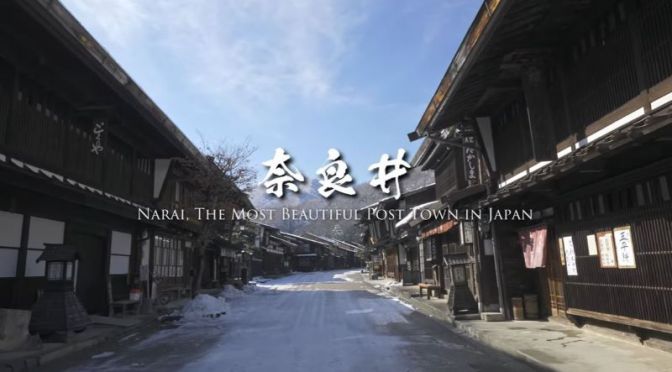
Narai is one of the post towns of the Nakasendo, the old golden route between Tokyo (Edo) and Kyoto. The Town remains unchanged as it was in Edo Period.
Take a trip back in time and trace the paths of past travelers in the post towns and sacred spaces found in the majestic mountains of the Japanese countryside.
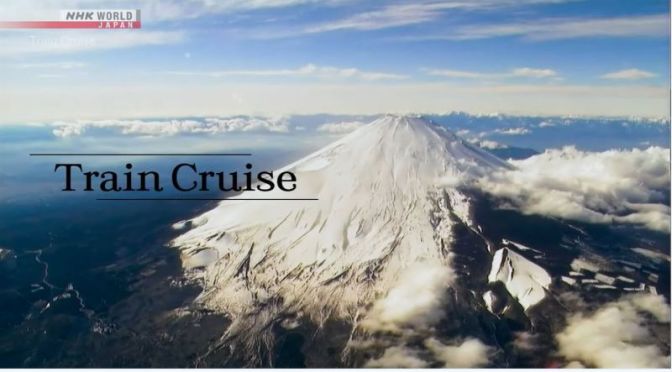
Japan’s Mt. Fuji is an active volcano about 100 kilometers southwest of Tokyo. Commonly called “Fuji-san,” it’s the country’s tallest peak, at 3,776 meters. A pilgrimage site for centuries, it’s considered one of Japan’s 3 sacred mountains, and summit hikes remain a popular activity. Its iconic profile is the subject of numerous works of art, notably Edo Period prints by Hokusai and Hiroshige.
News, Views and Reviews For The Intellectually Curious



 Boomers Daily