


Nature looks at: Keeping electronics from overheating, Covid-19 changes, and how to include minority populations in genetic analyses.
In this episode:
00:46 Cool computers
Keeping components cool is a major hurdle when it comes to increasing electronic power. This week, we find out about a new way to integrate tiny microfluidic channels directly into circuits, to help keep them cool. Research Article: van Erp et al.
06:57 Coronapod
By comparing coronavirus genomes taken from people around the world, researchers are getting an idea of how SARS-CoV-2 is changing as it spreads. We discuss a particular genetic mutation that rapidly became dominant early in the pandemic, and the effect it may have had on the outbreak. News: The coronavirus is mutating — does it matter?
21:41 Research Highlights
How rock avalanches can cause destructive air blasts, and melting glaciers cause lakes to grow. Research Highlight: The violent blasts that can add to an avalanche’s devastation; Research Article: Shugar et al.
23:59 The people left out of genetic studies
Minority populations are often underrepresented in genetic study recruitment. However, even when data about them is collected it may go unused. We find out why, and what can be done about it. Comment: Don’t ignore genetic data from minority populations
30:51 Briefing Chat
We discuss some of the latest stories highlighted in the Nature Briefing. This week we discuss how bacterially-infected mosquitoes could curb dengue fever, and some surprisingly large black holes. Nature News: The mosquito strategy that could eliminate dengue; Nature News: ‘It’s mindboggling!’: astronomers detect most powerful black-hole collision yet
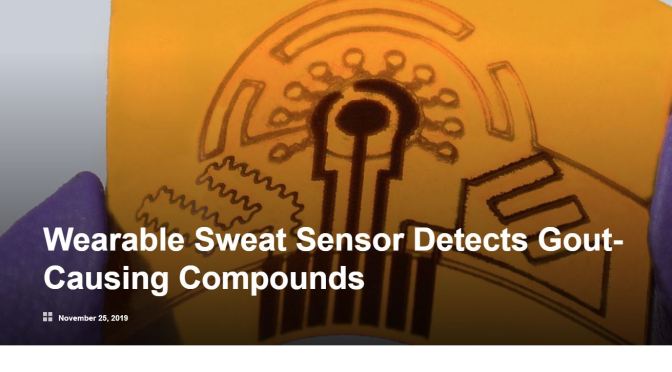
 “Such wearable sweat sensors have the potential to rapidly, continuously, and noninvasively capture changes in health at molecular levels,” Gao says. “They could enable personalized monitoring, early diagnosis, and timely intervention.”
 Gao’s work is focused on developing devices based on microfluidics, a name for technologies that manipulate tiny amounts of liquids, usually through channels less than a quarter of a millimeter in width. Microfluidics are ideal for an application of this sort because they minimize the influence of sweat evaporation and skin contamination on the sensing accuracy. As freshly supplied sweat flows through the microchannels, the device can make more accurate measurements of sweat and can capture temporal changes in concentrations.
 Boomers Daily