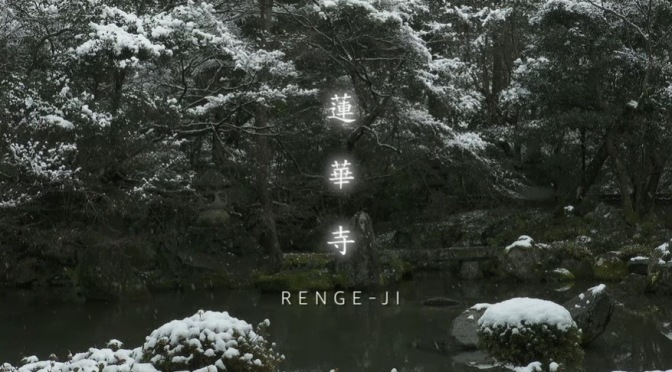

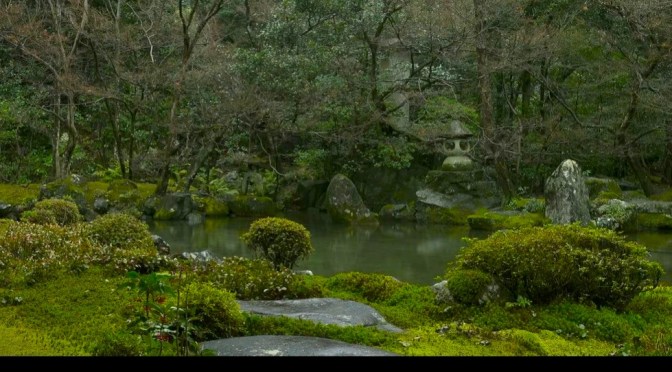
The main hall garden is of the “pond” style, formally known as “chisenkai kaiyuushiki garden” (池泉回遊式庭園). The only island stone of the pond represents a ship and is called “funaishi”, which means… ship stone 😉

The main hall garden is of the “pond” style, formally known as “chisenkai kaiyuushiki garden” (池泉回遊式庭園). The only island stone of the pond represents a ship and is called “funaishi”, which means… ship stone 😉
In Japan, garden making is considered a high art, akin to the arts of calligraphy and ink painting. Traditionally, the art of garden making was passed from sensei to apprentice through oral transmission.

In addition to gardens, wabi sabi influences many other aspects of Japanese art and culture, such as the tea ceremony and pottery making, and it is also seen as a way of life.
A garden based around wabi sabi incorporates natural and manmade elements in a way that allows visitors to appreciate their humble and imperfect forms. This typically involves using not only plants but also stones and weathered manmade objects as design elements.

1 – Entsu-ji Temple
2 – Jissou-in Temple
3 – The Former Retreat of Tomomi Iwakura
4 – Myoman-ji
The Open Gardens of Saitama private residences:
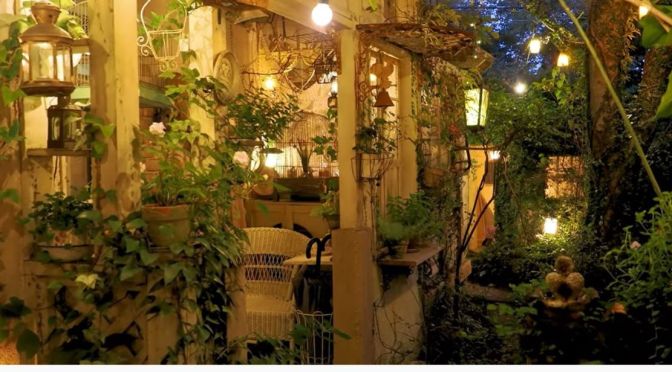
0:00 Ms. Mizue Takahashi ‘s Residence (Herbal House), 7:31 Interiors of her house, 11:05 Her garden at Night
13:23 Ms.Yoshie Saito’s Residence (Garden Cafe Green Rose)
27:07 Ms.Mariko Gonda’s Residence(Le Jardin Secret)
Saitama Prefecture is part of the Greater Tokyo area. In Saitama City, the Railway Museum traces rail history from the steam engines to bullet trains. Kawagoe city is known for well-preserved Edo-era buildings. West, the 3 Kuroyama Santaki falls cascade down mountains. Chichibu city is home to the 34 Buddhist temples of the Kannon Pilgrimage. Near Kinsho Temple, the Iwadatami rock formations line the Arakawa River.
HONPO-JI was founded by Nisshin in 1436. Many artists, including the multi-artist Honami Koetsu and painters, came and went from Honpo-ji. The garden is quiet and quaint.
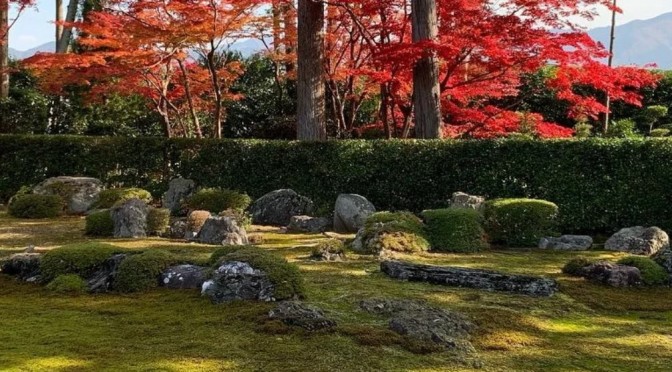
Oumi Kohouan is a temple located in the tranquility of the mountains and greenery which consoles the spirit of Enshuu Kobori (1579 – 1647), Lord of Komuro Castle, known as one of the three great tea ceremony masters. Enshuu constructed Kohouan in Daitoku Ji (temple) in Kyoto, and this temple in contrast is called Ohmi Kohouan. The garden of this temple is well noted for using the natural environment applying Karesansui (dry garden style) and Chisen Kaiyuu Shiki Teien (Japanese garden style with layout of pond, miniature mountains, bridge, etc., where visitors can walk around). The garden is designated as scenic spot by the prefectural government and is known as the best spot for autumn leaves in Kohoku (Northern part of Lake Biwa)
 Boomers Daily