

How current and future ice loss in Greenland compares to the past, Long-Covid, and using graphene to make ultra-sensitive radiation detectors.
In this episode:
00:45 Greenland’s historic ice loss
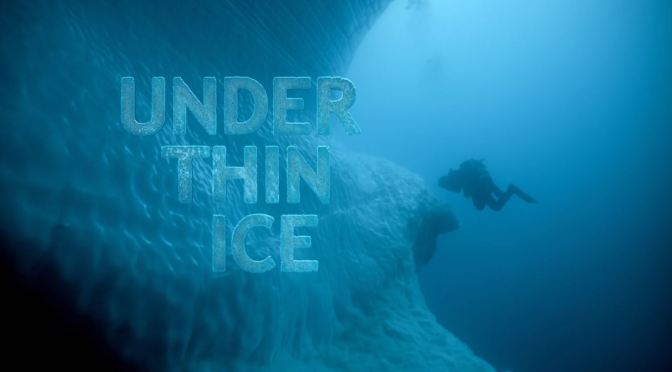
Climate change is accelerating the loss of ice and glaciers around the world leading to unprecedented levels of disappearance. Researchers have drilled samples from deep in the Greenland ice sheet, to model how current, and future, losses compare to those seen in the last 12,000 years. Research Article: Briner et al.; News and Views: The worst is yet to come for the Greenland ice sheet; Editorial: Arctic science cannot afford a new cold war
09:23 Coronapod
Despite recovering from an initial COVID-19 infection, many patients are experiencing severe symptoms months later. We find out about the impact of ‘Long Covid’ and the research that’s being done to try and understand it. News Feature: The lasting misery of coronavirus long-haulers
18:55 Research Highlights
A robot defeats humans at yet another sport, and extreme diving in Cuvier’s beaked whales. Research Highlight: A robot triumphs in a curling match against elite humans; Research Highlight: A smiling whale makes a record deep dive
21:20 A radiation detector made of graphene
Radiation-detectors known as bolometers are vital instruments in many fields of science. This week, two groups of researchers have harnessed graphene to make super sensitive bolometers that could be used to improve quantum computers, or detect subtle traces of molecules on other planets. Research Article: Lee et al.; Research Article: Kokkoniemi et al.
27:49 Briefing Chat
We discuss some of the latest stories highlighted in the Nature Briefing. This week we chat about the lack of diversity in academia, and an animal ally that can protect wildlife during forest fires. Nature Careers: Diversity in science: next steps for research group leaders; National Geographic:

 Kimberly Prather, an atmospheric chemist at the University of California, San Diego, who studies how ocean waves disperse virus-laden aerosols, joins host Sarah Crespi to talk about how she became an outspoken advocate for using masks to prevent coronavirus transmission. A related insight she wrote for Science has been downloaded more than 1 million times.
 Boomers Daily