
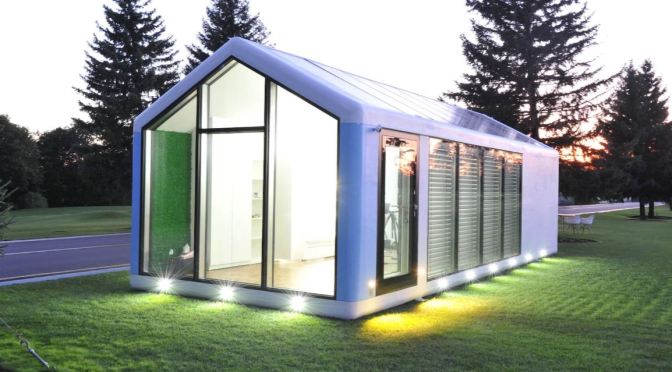
From a Dwell.com online review:
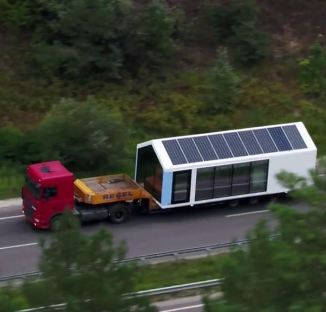 Haus.me is aimed at the luxury market, with pricing starting at $199,999 for the grid-connected base model, which can be customized to include off-grid technologies and other add-ons and finishes.
“We have plans to make it more affordable, but right now the key point is that we use high-quality finishes, natural wood, expensive electronics, built-in furniture, smart appliances, and more,” says Gerbut. “It’s a luxury dwelling and vacation home that you can install anywhere in the world.”
After years of research and prototyping, haus.me is now officially accepting sales—and last month they completed their first delivery: a fully autonomous 400-square-foot mOne unit in Ukraine that runs entirely on solar power.

What makes the haus.me product different is how it’s built, says Gerbut. “When someone starts building a house, they usually start with the frame and then go to insulation, but we did it the opposite way. We developed a patented composite polymer insulation that can also be 3D printed into a construction material for building walls.”
Website: https://haus.me/
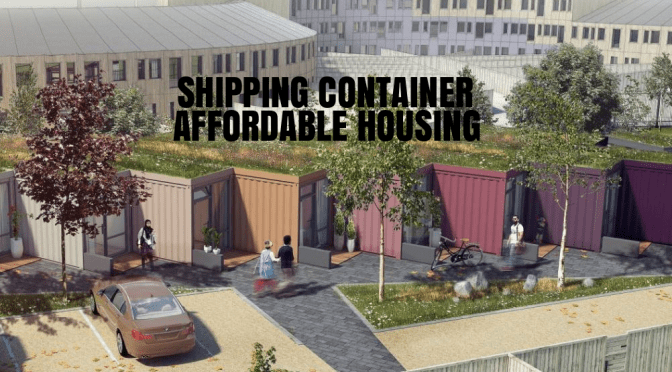
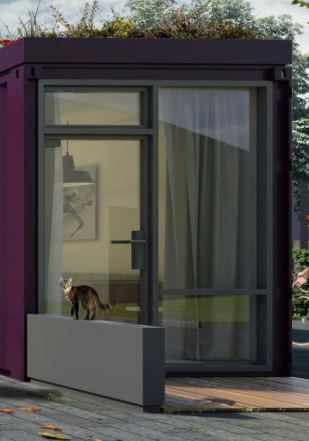 “The scheme provides much-needed single-person accommodations for social rent using converted shipping containers to create contemporary, environmentally-friendly homes in a desirable area near to local amenities and within walking distance of the town center,” explain the architects. The firm developed the design in consultation with local residents and stakeholders, and they previously completed a pop-up container cafe for Kingston University and volumetric student residential projects in Coventry.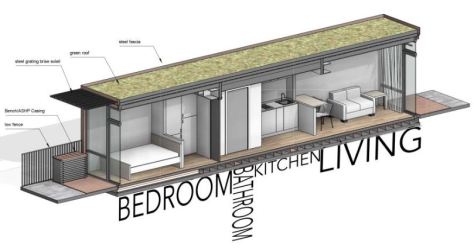
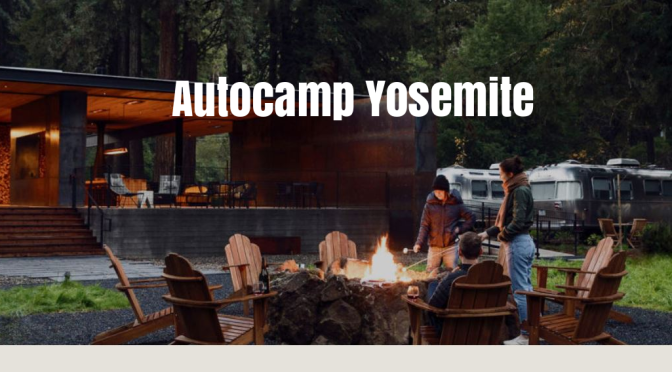
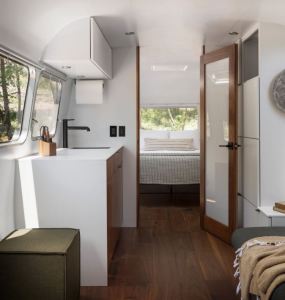 From start to finish, AutoCamp Yosemite took a surprisingly short two years to complete. That’s because they used the same dream team they worked with for their Russian River location—Anacapa Architecture and Geremia Design. Building on the desire to make the space homey and authentic, they took inspiration from the area and brought in local talent and hometown favorites every chance they got. Architect Dan Weber sourced the tents from a company based in his hometown; local designers contributed much of the site’s wall art, decor, and building fabrication; and a vast majority of the furnishings and decor were designed or sourced from the designers’ friends.
 Boomers Daily