

From The Lancet issue August 24, 2019:
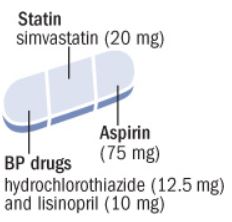 Use of polypill was effective in preventing major cardiovascular events. Medication adherence was high and adverse event numbers were low. The polypill strategy could be considered as an additional effective component in controlling cardiovascular diseases, especially in LMICs.
When restricted to participants in the polypill group with high adherence, the reduction in the risk of major cardiovascular events was even greater compared with the minimal care group…
A fixed-dose combination therapy (polypill strategy) has been proposed as an approach to reduce the burden of cardiovascular disease, especially in low-income and middle-income countries (LMICs). The PolyIran study aimed to assess the effectiveness and safety of a four-component polypill including aspirin, atorvastatin, hydrochlorothiazide, and either enalapril or valsartan for primary and secondary prevention of cardiovascular disease.
To read more click on the following link: https://www.thelancet.com/journals/lancet/article/PIIS0140-6736(19)31791-X/fulltext

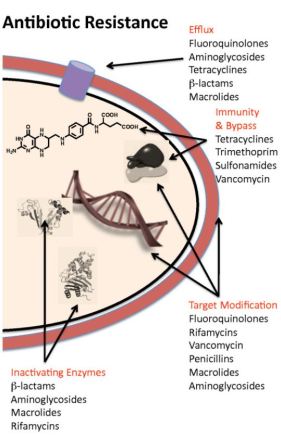 Antibiotic resistance is a global threat for public health. It is widely acknowledged that antibiotics at sub-inhibitory concentrations are important in disseminating antibiotic resistance via horizontal gene transfer. While there is high use of non-antibiotic human-targeted pharmaceuticals in our societies, the potential contribution of these on the spread of antibiotic resistance has been overlooked so far. Here, we report that commonly consumed non-antibiotic pharmaceuticals, including nonsteroidal anti-inflammatories (ibuprofen, naproxen, diclofenac), a lipid-lowering drug (gemfibrozil), and a β-blocker (propanolol), at clinically and environmentally relevant concentrations, significantly accelerated the conjugation of plasmid-borne antibiotic resistance genes.
 Boomers Daily