Tag Archives: Crosson Architects

Design: Te Pae North Piha Surf Tower, New Zealand

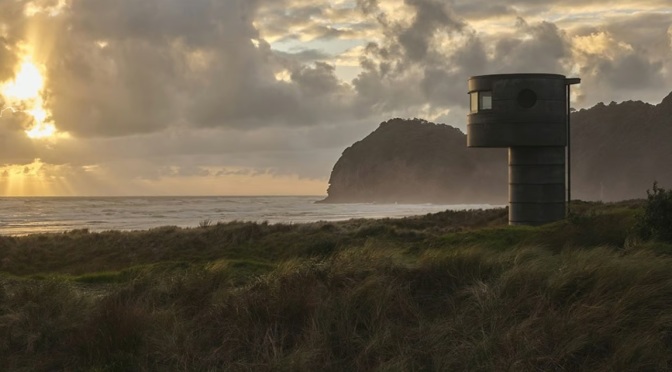
ArchiPro Films (August 16, 2023) – The lifeguard tower is an essential facility that enables observation, patrolling and protection at North Piha – one of New Zealand’s most beautiful but dangerous surf beaches. The tower is to serve the club and the community providing a functional and durable building to replace the existing dated structure.

The brief was for a robust, low-maintenance building that would withstand the severe North Piha coastal environment. It needed to provide accommodation for four lifeguards with excellent visibility along the beach – a building that was functional and responded to its context.

Piha is a part of the rohe (territory) of Te Kawerau ā Maki (the indigenous Māori tribe) who gifted the name Te Pae, meaning ‘to perch’ – a place to sit, look, and observe. It was a privilege to be able to incorporate this narrative into the concept for the tower.

The form offers a softness and quiet presence in this powerful coastal location. The site is remote, and so prefabricated concrete sections were factory-made and assembled on site. This minimised dune and planting disturbance on this fragile beach. North Piha is unusual in that the sand is black. The black oxidised concrete references this and the curved form reflects the undulating dunes that the building sits amongst. The tower is modest in scale and recessive, respecting its setting. At the same time, as a beacon for visitors to the beach, it requires easy recognition, and the distinctive form sits in contrast to the beautiful, rugged backdrop. This is a piece of coastal sculpture with a nod to traditional maritime observation structures around the New Zealand coast.

The tower is sustainable, utilising operable windows for ventilation, with high levels of insulation, sun protection, thermal mass, and natural light. It provides shelter and protection for the lifeguards. The placement of the windows was carefully determined with the club to provide optimum beach surveillance and a connection back to the clubhouse.

The new tower is a vital addition to safety at North Piha. It delivers a facility that supports the extraordinary volunteers who run it and meets the needs of its community now and into the future.

Tours: Light Mine House In Northern New Zealand

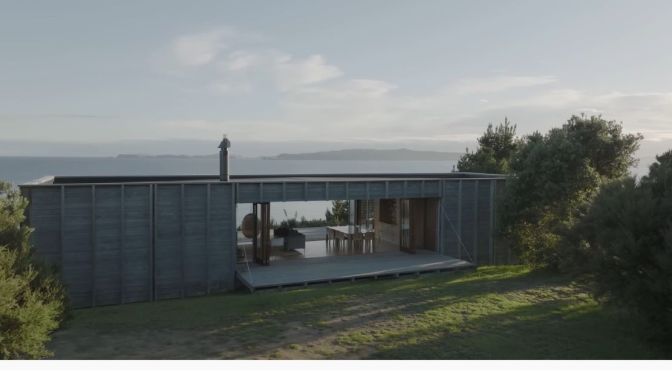
Sitting above the dunes on a plateau, Light Mine is an extraordinary home by Crosson Architects that embraces expansive views of the Coromandel Peninsula. Entering from the southern end of the house, the Light Mine house tour unfolds like a book, seeing Crosson Architects offer a carefully planned story from beginning to end.

Video timeline: 00:00 – Introduction to the Extraordinary New Zealand Home 00:43 – An Extraordinary Site 01:12 – A Choreographed Journey 01:30 – The History Behind the Gold Mining 02:10 – The Light Shafts 02:48 – Tying the Material Palette into Context 03:02 – Cladding Built From the Land 03:32 – Moulding and Blending into the Location Overtime 03:48 – The Extraordinary Craftsmanship 04:33 – A Reference to the Interior of a Gold Mine 05:08 – The Variations of Light Quality

Separated into interconnecting pods, Light Mine is a single level family home that takes inspiration from the dunes and headlands behind and becomes a unique structural form for future generations to enjoy. In designing the home, Crosson Architects looked to the gold mining history of the area, finding inspiration from a historical drawing of a gold mine shaft. As such, the architects have designed a series of geometric pods. Serving as unique structural elements, these inserts work together to break up the horizontal design of the extraordinary home.

Embraced by the clients after many conversations with Crosson Architects, the diagonal inserts offer a sense of scale and character to the home that relates to the surrounding landscape. From within, the diagonal shafts bring a playful and unique movement of light that instils changing characteristics; placed strategically over the living and dining areas, they offer variations of light as the sun shuffles through the extraordinary home.

Notably, the light shaft in the main bedroom offers glimpses of the night sky, capturing the Milky Way and stars above. Understanding that the extraordinary home needed to meld and blend into its surroundings over time, Crosson Architects has used reclaimed local native tōtara timber for the exterior cladding, enhancing the home’s horizontality and settling it into its surrounds. Overall, a cohesive approach to colour and materiality ensures the home reflects the surrounding landscape. Dark timber has been employed on the exterior, referencing the rock of the headland behind; inside, the use of light timber speaks to the sand dunes beyond.

The band sawn timber used extensively throughout the interior design creates a warm reprieve from the outside. In contrast, the kitchen and bathrooms feature dark timber veneer, which also nods to the gold mines while creating visual interest in each internal space. Challenged to design something that was both memorable and laid back, Crosson Architects has delivered an extraordinary home, which references Light Mine’s historical context and incorporates the changing colours of the day to emphasise its unique character.

Cabin Tours: Coromandel Bach In New Zealand (4K)

Coromandel Bach, an architect’s own tiny cabin, is designed by Crosson Architects as a functional holiday home. The timber residence is the ideal place of retreat away from busy urban life. Settled on the eastern side of The Coromandel Peninsula, Coromandel Bach is an architect’s own tiny cabin.

Video timeline: 00:00 – The Local Project Print Publication 00:10 – Introduction to the Architect’s Own Tiny Cabin 00:36 – Designing Using Timber 01:35 – The Perfect Holiday House 02:33 – Entering the Tiny Cabin 03:19 – The Bathroom 04:00 – The Kitchen and Dining Spaces 04:23 – An Experimental Home 05:42 – Celebrating Success 06:04

The holiday house sits on a site with no other buildings; no bush, just a north-facing view to white sandy beaches and a series of islands. As an architect’s own tiny cabin, Coromandel Bach expresses a studious approach to form and function. In a manner reminiscent of a suitcase, the architecture of the home can fold open or closed depending on the needs of the occupant, protecting its interior from the natural elements in some instances or embracing the outdoors in others.

The inspiration underpinning Coromandel Bach’s ‘refined camping’ is thoroughly executed, as would be expected in an architect’s own tiny cabin. Crosson Architects omits curtains and drapes from the interior design, enabling occupants to rise with the sun. Nature is celebrated using natural timber and through innovative features such as a bathtub on wheels that allows bathing outdoors in the morning sun or under the stars.

A unique example of an architect’s own tiny cabin, Coromandal Bach is a textural building with an innate sense of dynamism. The residential experience proposed by Crosson Architects is synonymous with the experience of nature.