

From a Nature.com online article:
 “What is memory without forgetting?” asks Oliver Hardt, a cognitive psychologist studying the neurobiology of memory at McGill University in Montreal, Canada. “It’s impossible,” he says. “To have proper memory function, you have to have forgetting.”
A growing body of work, cultivated in the past decade, suggests that the loss of memories is not a passive process. Rather, forgetting seems to be an active mechanism that is constantly at work in the brain. In some — perhaps even all — animals, the brain’s standard state is not to remember, but to forget. And a better understanding of that state could lead to breakthroughs in treatments for conditions such as anxiety, post-traumatic stress disorder (PTSD), and even Alzheimer’s disease.
To read more click on the following link: https://www.nature.com/articles/d41586-019-02211-5
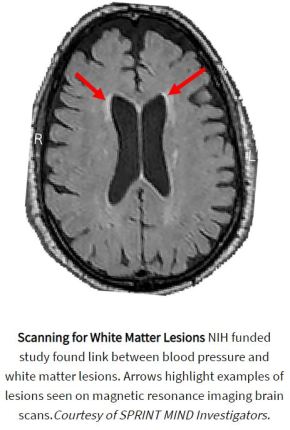 “These initial results support a growing body of evidence suggesting that controlling blood pressure may not only reduce the risk of stroke and heart disease but also of age-related cognitive loss,” said Walter J. Koroshetz, M.D., director of the NIH’s National Institute of Neurological Disorders and Stroke (NINDS). “I strongly urge people to know your blood pressure and discuss with your doctors how to optimize control. It may be a key to your future brain health.”
 Low and high levels of hemoglobin are associated with an increased risk of dementia, including AD, which may relate to differences in white matter integrity and cerebral perfusion.
 Boomers Daily