Tag Archives: Best Foreign Affairs Books

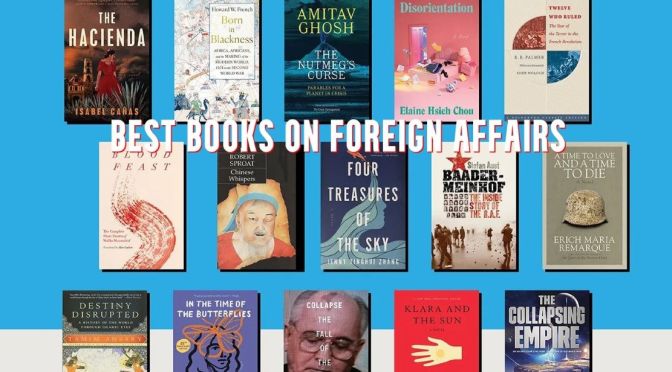
Reviews: Best Books On Foreign Affairs Of 2025

Foreign Affairs Magazine: The very best of the hundreds of books on international politics, economics, and history that were featured in the magazine this year, selected by Foreign Affairs’ editors and book reviewers.

The Party’s Interests Come First: The Life of Xi Zhongxun, Father of Xi Jinping
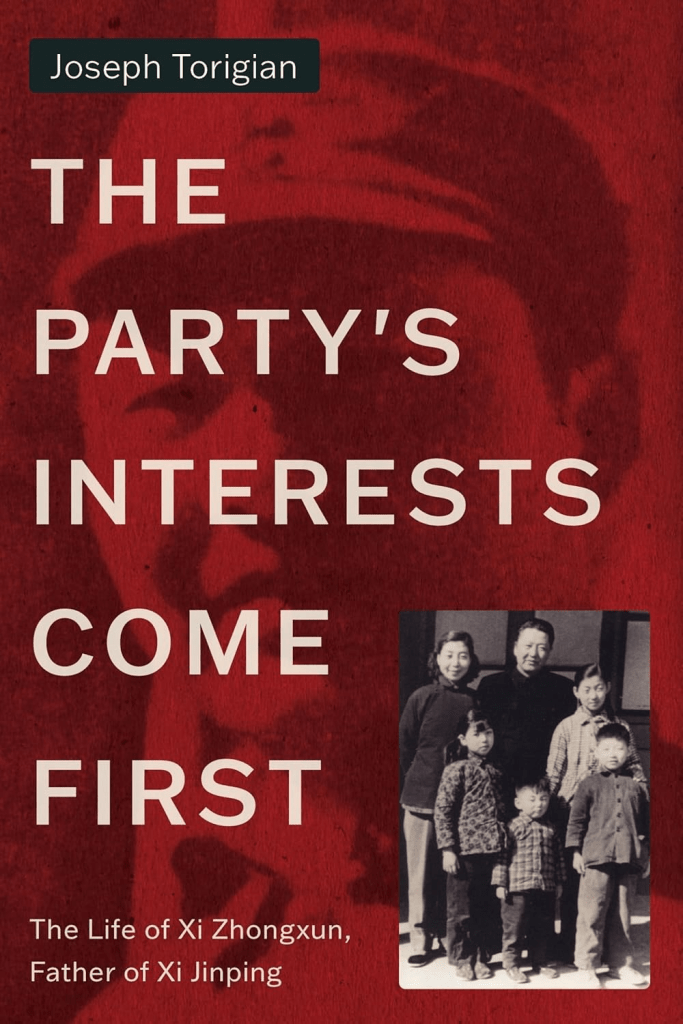
by Joseph Torigian

In this prodigiously researched epic, Torigian details the life of Xi Zhongxun—the father of China’s current leader, Xi Jinping—to explain the history of the Chinese Communist Party. Along the way, readers gain a sense of how the younger Xi became the man he is today.

Read the review 

Zbig: The Life of Zbigniew Brzezinski, America’s Great Power Prophet

by Edward Luce

Luce, a gifted storyteller, chronicles the personal life and intellectual journey of former National Security Adviser Zbigniew Brzezinski, who played a significant but underappreciated role in opening the ​United States to China, bringing the Cold War to an end, and shaping the world that came after. In writing this gem of a book, Luce has rendered a genuine service to history.

Read the review 

Our Dear Friends in Moscow: The Inside Story of a Broken Generation
by Irina Borogan and Andrei Soldatov

Soldatov and Borogon, two Russian journalists, tell the story of their one-time group of friends and colleagues—young Russians who, over the course of the Putin years, steadily drift toward nationalist and illiberal ideas and end up as supporters of Russia’s war in Ukraine.

Read the review 

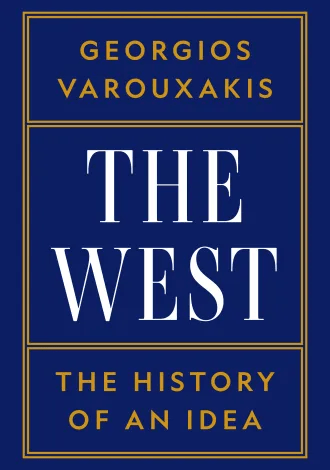
The West: The History of an Idea

by George Varouxakis

In this masterful study, Varouxakis tracks the meanings of “the West” from the late eighteenth century to the present—and argues that the modern notion of the term emerged in the 1830s as a way to distinguish western Europe from Russia. Today, for beleaguered countries such as Ukraine, “the West” is still a powerful idea.

Read the review 

Reviews: Best Books On Foreign Affairs Of 2024

Foreign Policy Magazine (December 8, 2023): The Best of Books 2024  on international politics, economics, and history that were featured in the magazine this year, selected by Foreign Affairs’ editors and book reviewers.

Underground Empire: How America Weaponized the World Economy

by Henry Farrell and Abraham Newman

In a revelatory book, Farrell and Newman describe how the United States has turned its control over information networks into a hidden tool of economic domination—and warn of the risks of Washington’s weaponization of data power for ordinary people, as well as for the global financial system.read the review

To Run the World: The Kremlin’s Cold War Bid for Global Power

by Sergey Radchenko

In a major reconsideration of Cold War history, Radchenko examines the Soviet Union’s competing ambitions for revolution, security, and legitimacy—and how Soviet leadership, blinded by its own hubris and aggression, set the stage for the downfall of the USSR. read the review

Freedom From Fear: An Incomplete History of Liberalism

by Alan S. Kahan

Kahan argues that what unifies liberals across the centuries, including those involved in building and defending liberal democracy today, are their efforts to build societies free from the fear of arbitrary power. He sculpts a masterful and beautifully written history of liberalism’s long intellectual journey. read the review

Tyranny of the Minority: Why American Democracy Reached the Breaking Point

by Steven Levitsky and Daniel Ziblatt

In this sobering study, Levitsky and Ziblatt demonstrate how the United States’ enduring constitutional order—one forged in a pre-democratic age—increasingly thwarts the will of an expanding multicultural majority in favor of a shrinking rural white minority.read the review

Autocracy, Inc.: The Dictators Who Want to Run the World

by Anne Applebaum

Focused on the sophisticated and networked world of autocracy, dictatorship, and tyranny, Applebaum argues that what separates hardcore autocratic states, such as China and Russia, from softer illiberal and authoritarian regimes, such as those in Hungary, India, and Turkey, is the ruthlessness and reach of their dictatorial power and their deep hostility to the Western-led democratic world.read the review