FEATURES | Denzil Forrester interviewed by Gabriel Coxhead; Kristen Treen on Augustus Saint-Gaudens’ monuments to the American Civil War; Emilie Bickerton visits the Musée Cernuschi in Paris; Glenn Adamson defends progressive deaccessioning; Thomas Marks visits the Box in Plymouth; mathematician John Coates shows Susan Moore his collection of early Japanese ceramics
REVIEWS | Sheila McTighe on Artemisia Gentileschi at the National Gallery; Samuel Reilly on Michael Armitage at the Haus der Kunst; Mark Polizzotti on Matisse’s artists’ books; Emily Knight on Joseph Wright of Derby; Sameer Rahim on Islamic influences in European architecture; Anthony Cutler on the Turin Shroud
MARKET | A preview of the second part of Asian Art in London; and the latest art market columns from Emma Crichton-Miller, Susan Moore and Samuel Reilly
PLUS | Timon Screech visits the shrines of the shoguns; Gillian Darley on the enduring appeal of crescents in architecture; Damian Thompson watches Yotam Ottolenghi make a feast inspired by the court of Versailles; Thomas Marks on the vital role of education in museums; Robert O’Byrne revisits the advertisements in Apollo 40 years ago
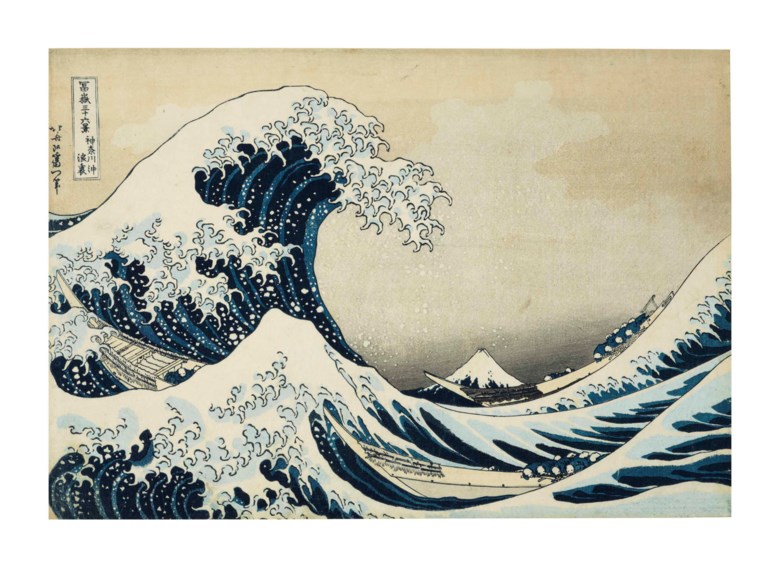
The Tokugawa dynasty would rule until 1868, and the era became known as the Edo period…It was a time of peace and prosperity, and the arts flourished. Particularly splendid were the ukiyo-e (‘woodblock prints’) — works known for their unusual viewpoints, abrupt cropping, exquisite stylisation, and patches of vivid, unshaded colour.
Katsushika Hokusai (1760-1849), Kanagawa oki nami ura (In the Well of the Great Wave off Kanagawa), from the series Fugaku sanjurokkei (Thirty-six Views of Mount Fuji).
Printing in more than one colour was tricky: it wasn’t until the 1740s that green and pink were tentatively introduced. A huge breakthrough came in 1765, when Suzuki Harunobu (1724-1770) mastered a process that accommodated an array of colours.



 Boomers Daily