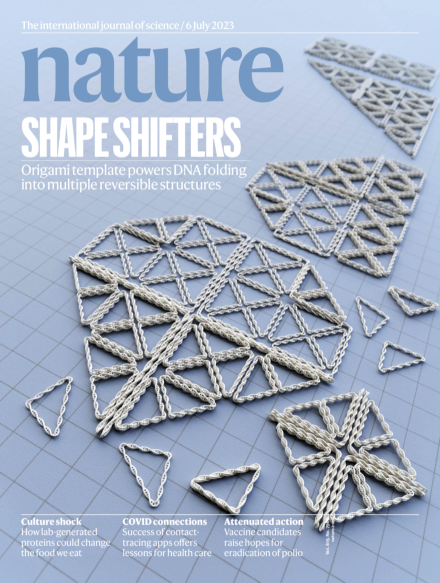
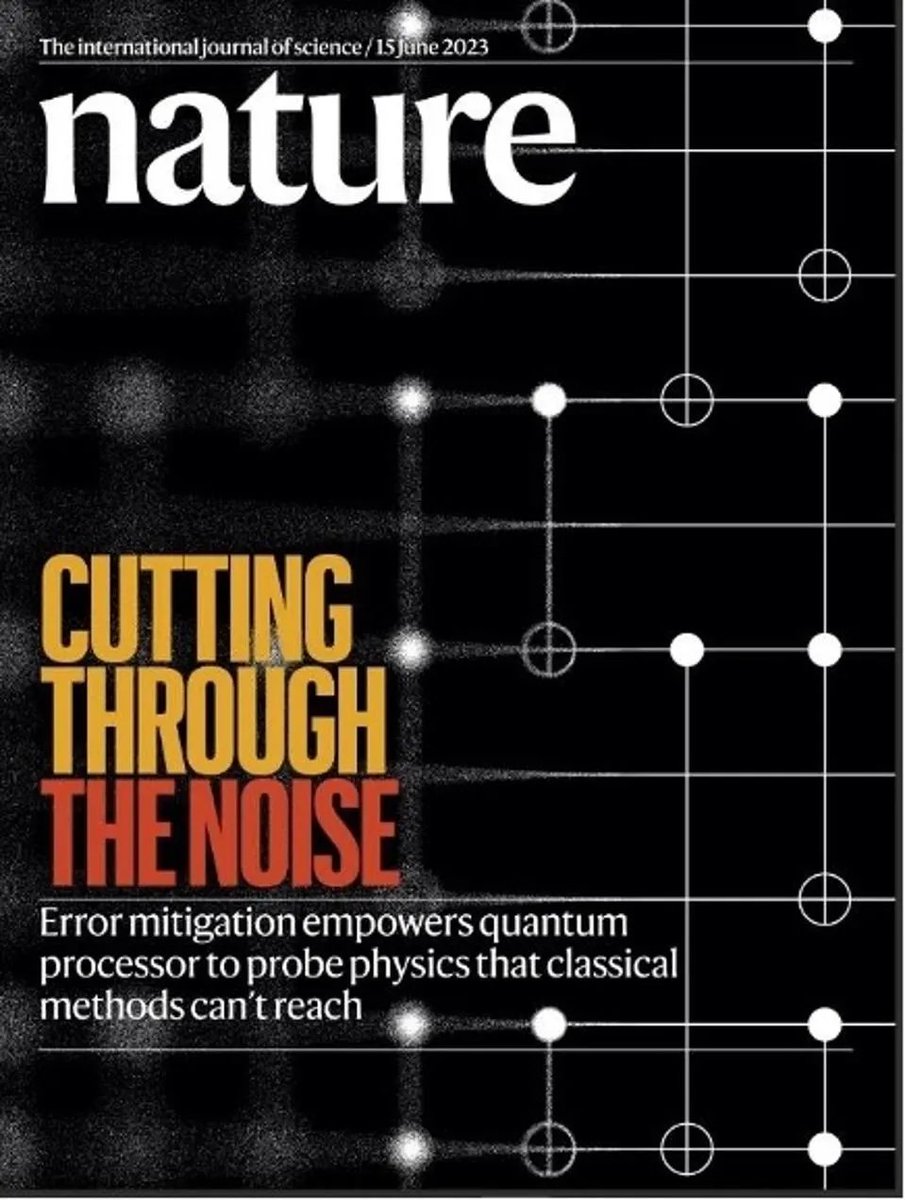
nature Magazine -July 6, 2023 issue:Shape shifters – DNA origami allows useful supramolecular structures to be created from templates. But the process has its limitations, with most structures confined to two configurations: folded or unfolded.
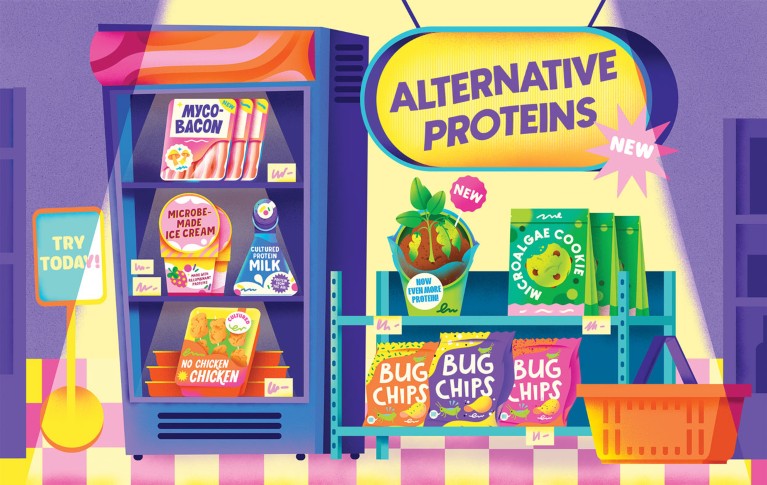
Humanity needs to eat less meat. Here are seven alternatives.
Would you eat a burger enriched with mealworms? Fake bacon sliced from a mass of fermented fungi? Milk proteins extruded by microbes? Maybe you already have. Dozens of companies are now banking on these alternatives to animal protein becoming a regular part of your diet.
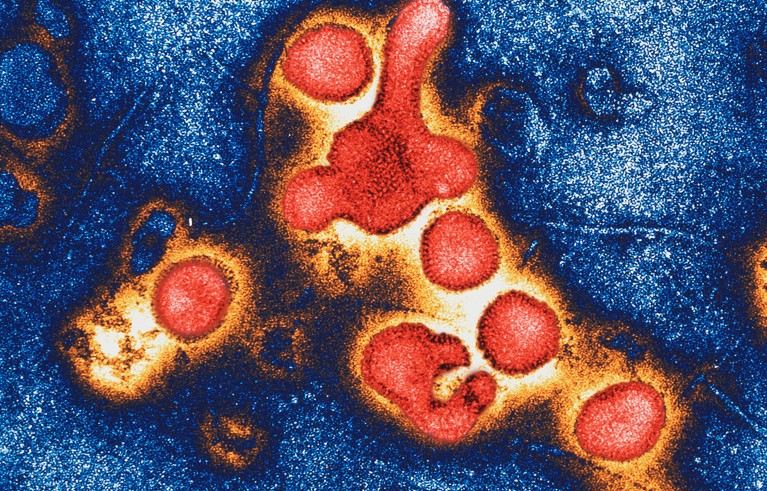
Complexes formed from ‘nanobodies’ and an antiviral drug halt infection in its tracks.
A dynamic duo comprising an antiviral drug joined to an antibody fragment provides strong protection against the two main types of influenza that infect humans, according to research in mice.
Science Magazine – June 30, 2023 issue: Vapor from liquid nitrogen wafts over a rat kidney awaiting a groundbreaking preservation method at the University of Minnesota. Scientists there have learned how to cool the organ to –150°C and rewarm it while minimizing freezing damage, enabling it to work after being transplanted.
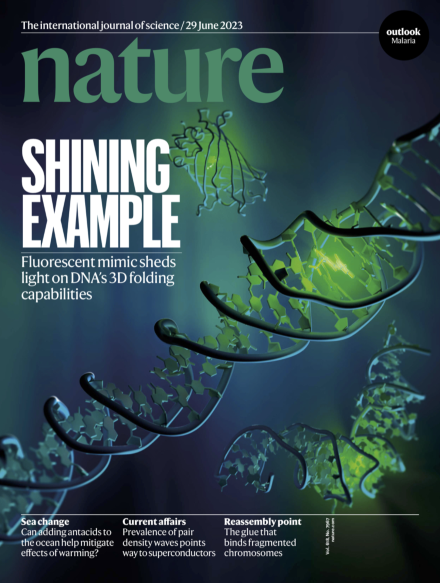
nature Magazine -June 29, 2023 issue: RNA molecules can adopt complex 3D structures, but whether DNA can self-assemble into similar 3D folded structures has been less clear. In this week’s issue, Luiz Passalacqua and his colleagues use a DNA mimic of green fluorescent protein (GFP) to investigate this question.
Freely accessible large language models have accelerated the pace of innovation, computer scientists say.
The craze for generative artificial intelligence (AI) that began with the release of OpenAI’s ChatGPT shows no sign of abating. But while large technology companies such as OpenAI and Google have captured the attention of the wider public — and are finding ways to monetize their AI tools — a quieter revolution is being waged by researchers and software engineers at smaller organizations.
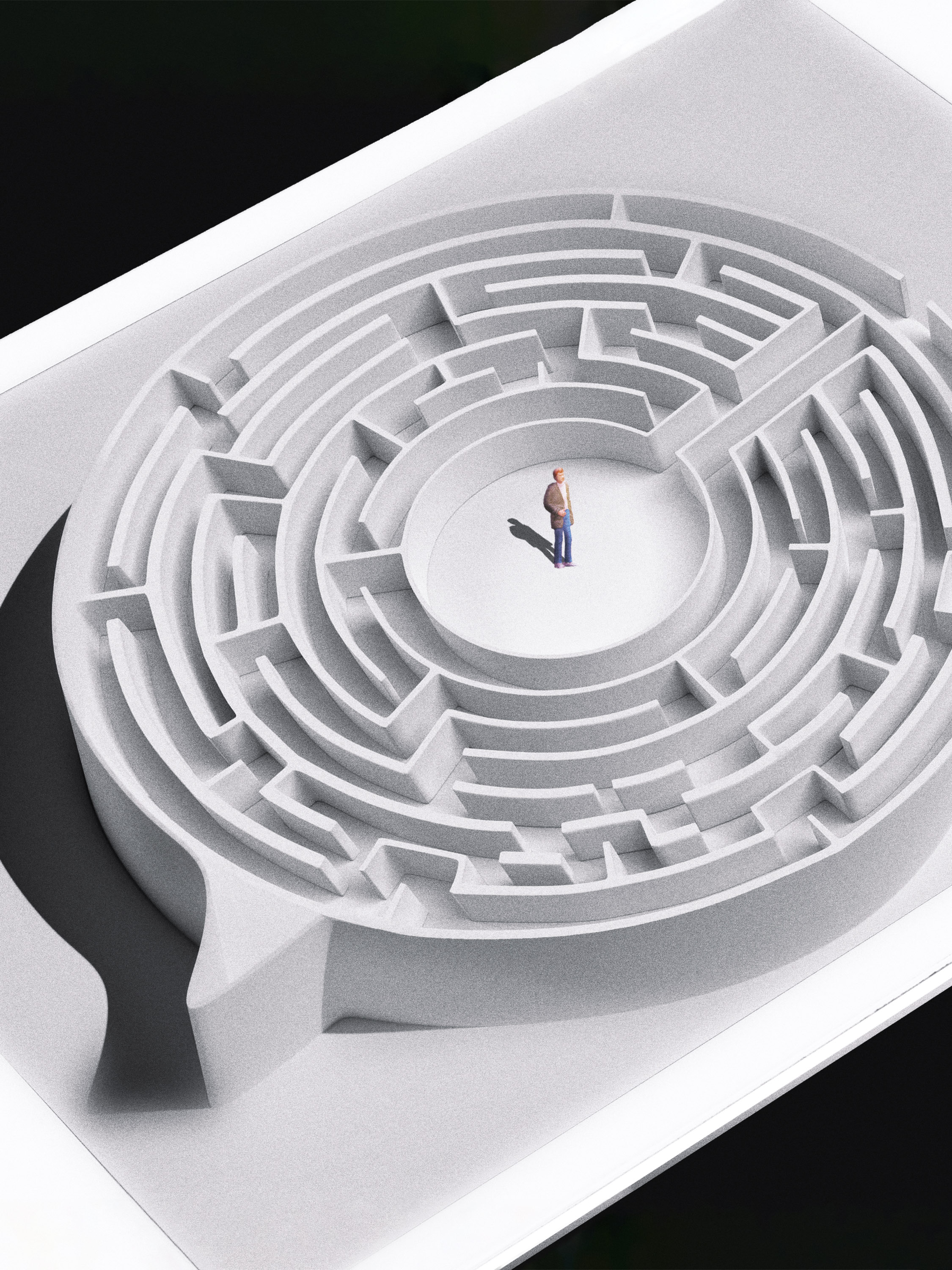
MIT Technology Review – July/August 2023: ‘The Accessibility issue’ features Connecting climate change and the digital divide. A blind educator working to make images accessible to everyone. How the app meant to streamline immigration at the border may be making things worse. Plus regulating robotaxis, Metaverse attorneys, and the forgotten history of highway photologs.
We need to take steps toward a more inclusive future—one that we all can inhabit.
“Technology,” wrote the late historian of technology Melvin Kranzberg Jr., “is neither good nor bad, nor is it neutral.” It’s an observation that often doesn’t stick with people as they think about technologies related to accessibility.
For people who can’t speak, there has been depressingly little innovation in technology that helps them communicate.
A piece of hardware, however impressively designed and engineered, is only as valuable as what a person can do with it. After the iPad’s release, the flood of new, easy-to-use AAC apps that LoStracco, Shevchenko, and their clients wanted never came.
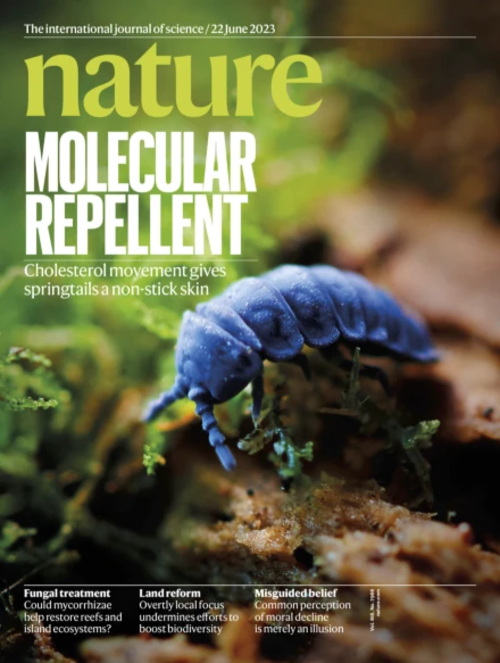
nature Magazine -June 22, 2023 issue: 00:45 Why losing the Y chromosome makes bladder cancer more aggressive; How pollution particles ferry influenza virus deep into the lungs, and why artificial lights could dazzle glow worms into extinction.
Science Magazine – June 16, 2023 issue: A wild little penguin (Eudyptula minor) stands silhouetted against the city of Melbourne, Australia. Increasing levels of light pollution are having adverse effects on humans and the natural world.
For most of history, the only lights made by humans were naked flames. Daily life was governed by the times of sunrise and sunset, outdoor nighttime activities depended on the phase of the Moon, and viewing the stars was a common and culturally important activity. Today, the widespread deployment of outdoor electric lighting means that the night is no longer dark for most people—few can see the Milky Way from their homes. Outdoor lighting has many legitimate uses that have benefited society. However, it often leads to illumination at times and locations that are unnecessary, excessive, intrusive, or harmful: light pollution.
Data on shark populations in coral reefs raise concern and hope for recovery
Sharks and their relatives are some of the most threatened vertebrates on Earth, with approximately one-third estimated or assessed as threatened with extinction (1). This is a major problem because as predators that help keep the food web in balance, these animals play a variety of vitally important ecological roles (2) and in doing so help to keep healthy many ecosystems that humans depend on. Coral reefs provide homes for countless fish species that are vital for fisheries and are therefore an especially important ecosystem for humans—and one where the decline of shark populations seems to be especially acute
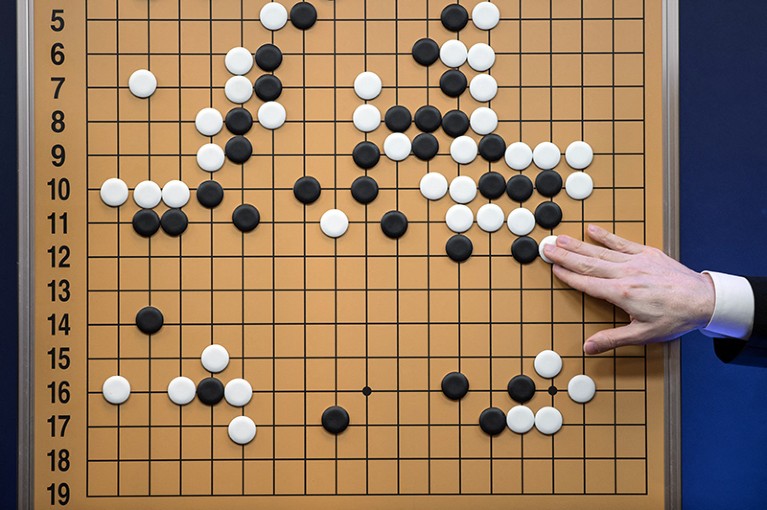
The technology developed by DeepMind that plays Go and chess can also help to write code.
An artificial intelligence (AI) system based on Google DeepMind’s AlphaZero AI created algorithms that, when translated into the standard programming language C++, can sort data up to three times as fast as human-generated versions.
“We were a bit shocked,” said Daniel Mankowitz, a computer scientist at DeepMind who led the work. “We didn’t believe it at first.”
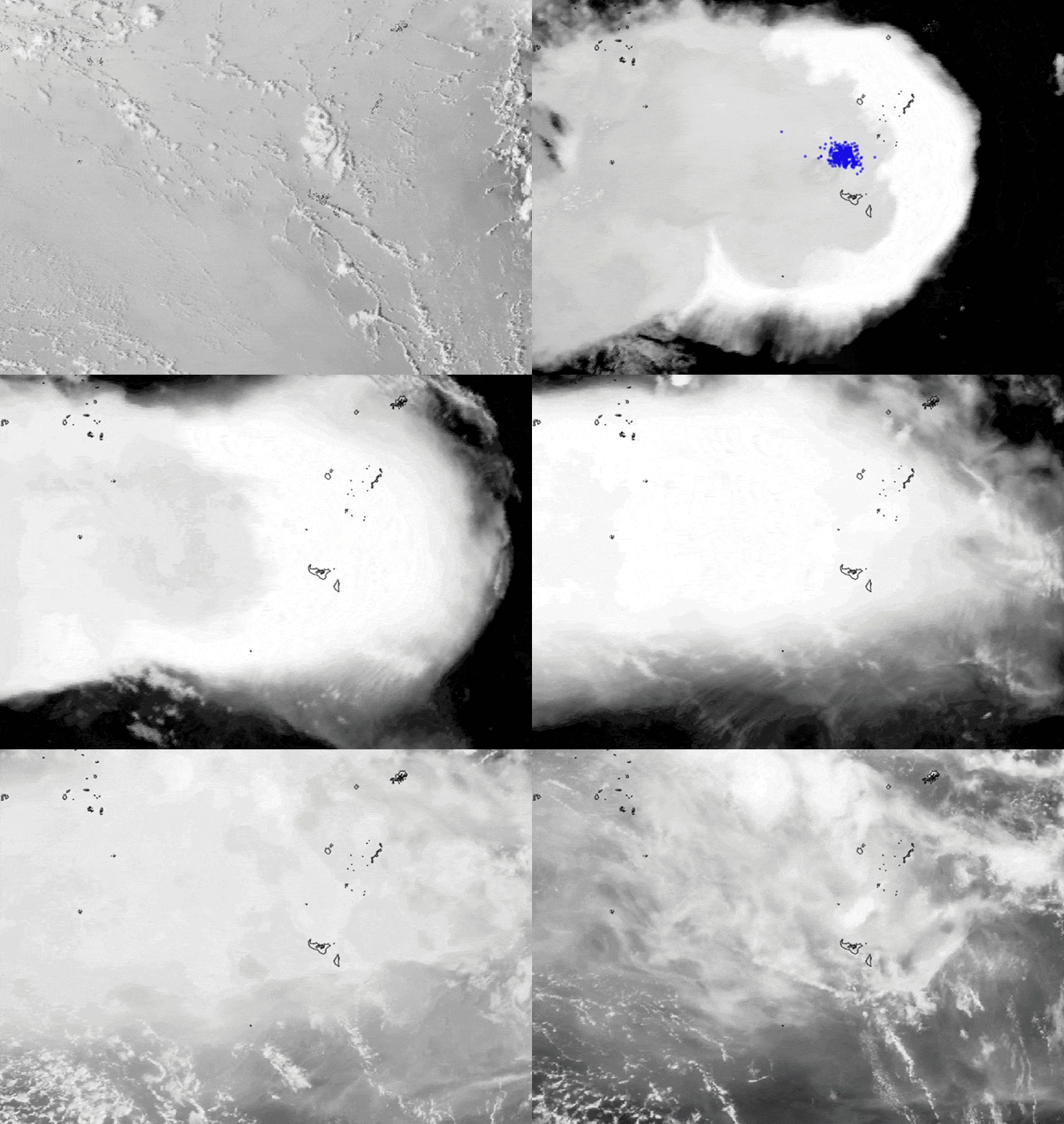
Large sections of the Kakhovka dam have collapsed, unleashing catastrophic floods. Credit: Satellite image (c) 2023 Maxar Technologies via Getty
Extensive flooding could have severe consequences for farming, health and the environment.
The 66-year-old Kakhovka dam on the Dnieper River in south Ukraine collapsed on the morning of 6 June after a suspected explosion, triggering a catastrophic humanitarian and environmental crisis.
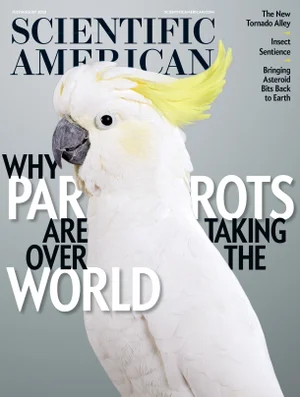
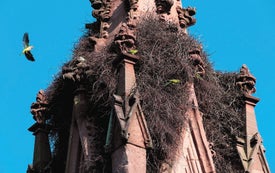
At Brooklyn’s Green-Wood Cemetery the living get as much attention as the dead. Groundskeepers maintain the 478-acre historic landmark as an arboretum and habitat for more than 200 breeding and migratory bird species. But many visiting wildlife lovers aren’t interested in those native birds. They’re at the entryway, their binoculars trained on the spire atop its Gothic Revival arches. They’ve come to see the parrots.
Exposure to extreme heat can damage the central nervous system, the brain and other vital organs, and the effects can set in with terrifying speed, resulting in heat exhaustion, heat cramps or heatstroke. It also exacerbates existing medical conditions such as hypertension and heart disease and is especially perilous for people who suffer from chronic diseases. The older population is at high risk, and children, who may not be able to regulate their body temperatures as effectively as adults in extreme conditions, are also vulnerable.
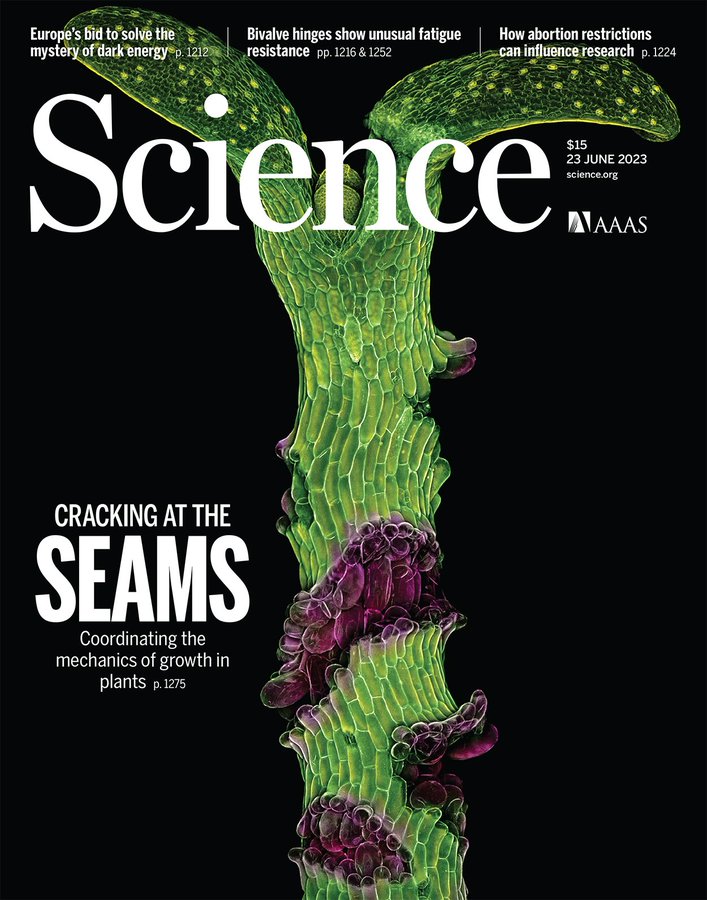
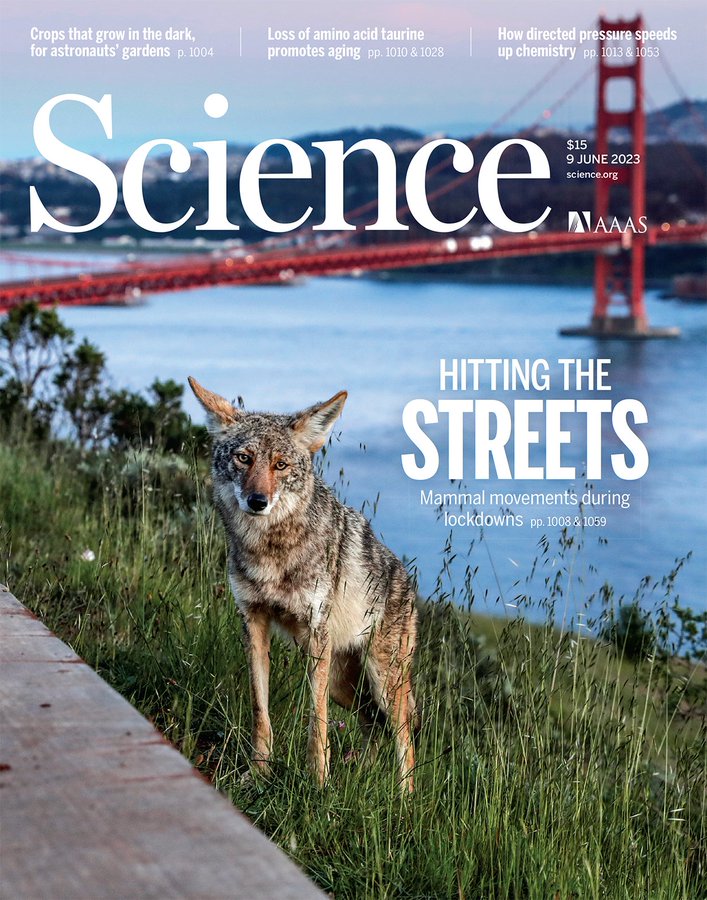
Science Magazine – June 9, 2023 issue: In response Covid-19 lockdowns that severely altered human mobility, with many people confined to their homes, animals such as the coyote (Canis latrans) traveled longer distances and occurred closer to roads. These changes suggest that animals can modify their behavior in response to rapid changes in human mobility.
Anthropologists praise Homo naledi fossils but doubt spectacular claims of intentional burial and art
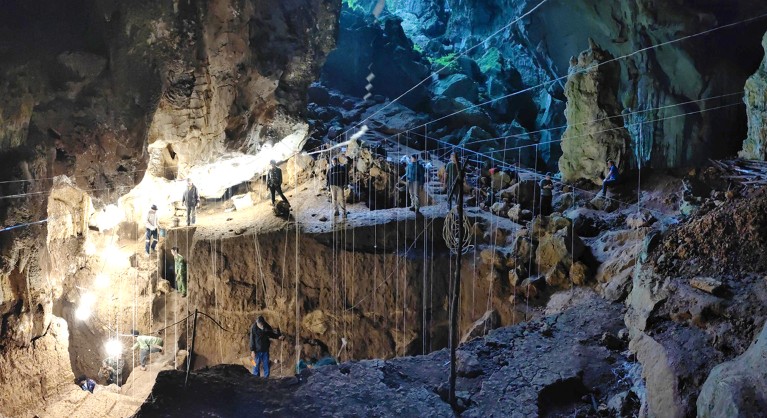
A trio of papers posted online and presented at a meeting today lays out an astonishing scenario. Roughly 240,000 years ago, they suggest, small-brained human relatives carried their dead through a labyrinth of tight passageways into the dark depths of a vast limestone cave system in South Africa. Working by firelight, these diminutive cave explorers dug shallow graves, sometimes arranging bodies in fetal positions and placing a stone tool near a child’s hand. Some etched cave walls with crosshatches and others cooked small animals in what amounted to a subterranean funeral, more than 100,000 years before such behaviors emerged in modern humans.
Crops grown without sunlight could help feed astronauts bound for Mars, and someday supplement dinner plates on Earth
For the first astronauts to visit Mars, what to eat on their 3-year mission will be one of the most critical questions. It’s not just a matter of taste. According to one recent estimate, a crew of six would require an estimated 10,000 kilograms of food for the trip. NASA—which plans to send people to Mars within 2 decades—could stuff a spacecraft with prepackaged meals and launch additional supplies to the Red Planet in advance for the voyage home. But even that wouldn’t completely solve the problem.
News, Views and Reviews For The Intellectually Curious




















 Boomers Daily