This fascinating Japanese armour was part of the first diplomatic gift between Japan and Britain. It is over 400 years old and one of the first documented Japanese armours to have been seen on British soil.
Learn more about this amazing object in this short film. See the armour in our exhibition Japan: Courts and Culture at The Queen’s Gallery, London from 8 April 2022 – 26 February 2023.
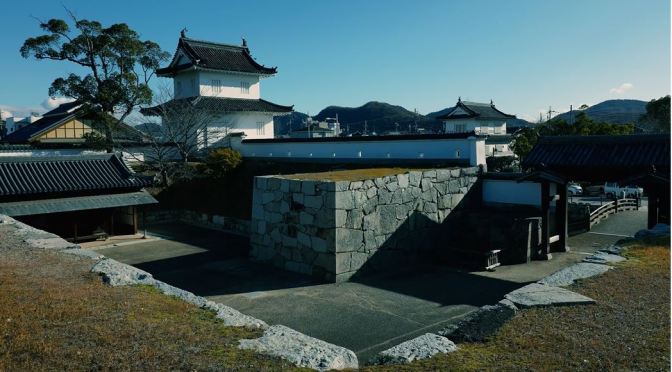
There is a very well-known story called “Chushingura” in Japan. It is the story of 47 samurai who gave their lives to avenge the honor of their lord. It inspired over 4,000 ukiyo-e woodblock prints. Performed on stage over 7,000 times in various genres. More than 300 years later, the story continues to inspire novelists and filmmakers. Ako Castle is where the story began. The 47 samurai were the retainers of the Ako clan. The video starts off with this side story, then focuses on the characteristics, the structure of the castle, and the financial support achieved by innovative salt production.
Film Director: Tadahiro Konoe Film Producer: Tadahiro Konoe Production Company: curioswitch Inc. Client: Ako City (Hyogo prefecture, Japan)
Situated along the winding mountain road that is the historic village of Omori, Takyo Abeke is hidden behind a rustic bamboo fence covered in climbing roses and shielded from the road by a deep courtyard garden. The 228-year-old building was once the home of the Abe family (Abeke), who were administrative officials for the Iwami Ginzan silver mine dug deep into the mountains at the top of the village. During the 17th and 18th centuries the silver mine was the largest in the world, and its output financed not only bustling local village life and imposing houses like Abeke but also Japan’s rapid economic growth, urbanization, and flowering of its unique culture of shibusa— aesthetics based on nature, simplicity, and the ephemeral—during the first centuries of the Edo period (1603-1868).



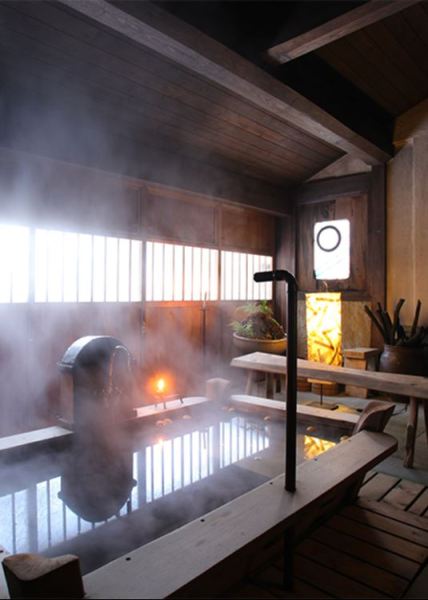 Situated along the winding mountain road that is the historic village of Omori, Takyo Abeke is hidden behind a rustic bamboo fence covered in climbing roses and shielded from the road by a deep courtyard garden. The 228-year-old building was once the home of the Abe family (Abeke), who were administrative officials for the Iwami Ginzan silver mine dug deep into the mountains at the top of the village. During the 17th and 18th centuries the silver mine was the largest in the world, and its output financed not only bustling local village life and imposing houses like Abeke but also Japan’s rapid economic growth, urbanization, and flowering of its unique culture of shibusa— aesthetics based on nature, simplicity, and the ephemeral—during the first centuries of the Edo period (1603-1868).
 Boomers Daily