Each year, just about 30,000 metric tonnes of plastic pollution enter Indonesia’s waters. How does one man plan to clean it up?
In Indonesia, the ocean plays a critical role in people’s livelihood; from their food to their careers. But that important life source is under threat from overwhelming amounts of plastic. Unfortunately, this pollution is fueled from one of Indonesia’s most popular tourist destinations, Bali.
This, combined with plastic from the rest of the world, washes up on beaches, gets hooked by local fishermen, and damages marine ecosystems. This film follows Wayan, a 90-year-old Balinese fisherman using all his resources and knowledge to tackle this growing problem, one net of trash at a time. This is Voice Above Water, a production from Turning Tides Films.
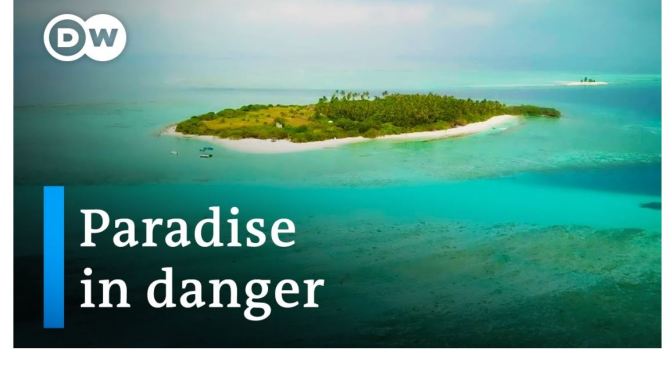
Thilafushi, an island of floating rubbish island in the Maldives, grows by a square meter a day. But diving instructor Shaahina Ali is trying to slow that growth by recycling and using floating barriers to hold back the rising seas.
For decades, the Maldives simply dumped the trash the tourists and the island country’s 400 thousand residents generated. Yet Shaahina Ali says that has to stop. Almost every day, the diving instructor and her allies go from island to island in the Indian Ocean. Working with an environmental organization, they have obtained trash compactors that make plastic waste transportable, allowing it to be shipped abroad for recycling. Ali also advocates avoiding disposable plastic. She gives lectures, advises hotel managers and even bends the ear of the Maldives’ president himself.
When she has time, Shaahina Ali goes scuba diving. Beneath the waves she sees environmental degradation – dying corals and fish caught up in plastic waste. She says, “We can’t afford to address just one problem. We’ve got to take care of everything at once because everything is connected to the sea.” But the island paradise is not only threatened by rubbish. Climate change is also causing the sea levels to rise, and the Maldives are at risk of sinking beneath the water.
That’s why conservationists are using floating barriers made of recycled plastic to help prevent flooding. In addition to the environmental group “Parley for the Oceans,” Ali has also won politicians to her cause. Last year saw a democratic change of government in the Maldives. “The new government no longer views environmentalists as annoying troublemakers. They see us as partners instead,” Ali says. But those trying to save the island are in a race against time. “If we don’t succeed,” says Shaahina Ali, “far more than a vacation paradise will be lost. We will lose our homeland.”
News, Views and Reviews For The Intellectually Curious


 Boomers Daily