
From a New Yorker online article:
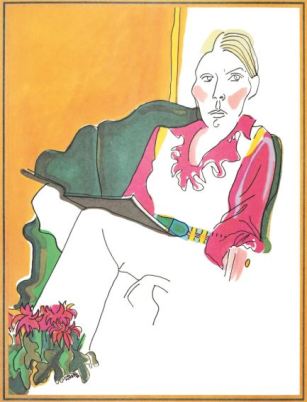 I became engrossed in Mitchell’s drawings while browsing the book—they’re vivid, intimate—but her handwritten lyrics and poems are just as revelatory. It’s hard not to think about art-making of any kind as an alchemical process, in which feelings and experiences go in and something else comes out. Whatever happens in between is mysterious, if not sublime: suddenly, an ordinary sensation is made beautiful. Our most profound writers do this work with ease, or at least appear to. Mitchell’s lyrics are never overworked or self-conscious, and she manages to be precise in her descriptions while remaining ambiguous about what’s right and what’s wrong; in her songs, the cures and the diseases are sometimes indistinguishable.
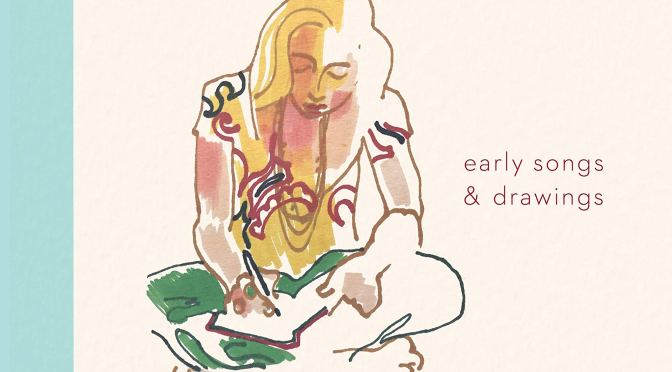
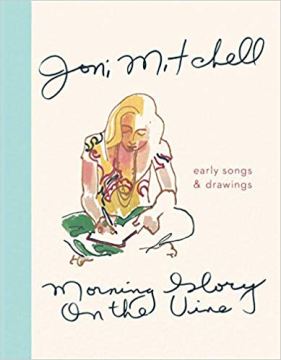 Joni Mitchell, in the foreword to “Morning Glory on the Vine,” her new book of lyrics and illustrations, explains that, in the early nineteen-seventies, just as her fervent and cavernous folk songs were finding a wide audience, she was growing less interested in making music than in drawing. “Once when I was sketching my audience in Central Park, they had to drag me onto the stage,” she writes. Though Mitchell is deeply beloved for her music—her album “Blue” is widely considered one of the greatest LPs of the album era and is still discussed, nearly fifty years later, in reverent, almost disbelieving whispers—she has consistently defined herself as a visual artist. “I have always thought of myself as a painter derailed by circumstance,” she told the Globe and Mail, in 2000. At the very least, painting was where she directed feelings of wonderment and relish. “I sing my sorrow and I paint my joy,” is how she put it.
To read more: https://www.newyorker.com/culture/culture-desk/joni-mitchell-discusses-her-new-book-of-early-songs-and-drawings
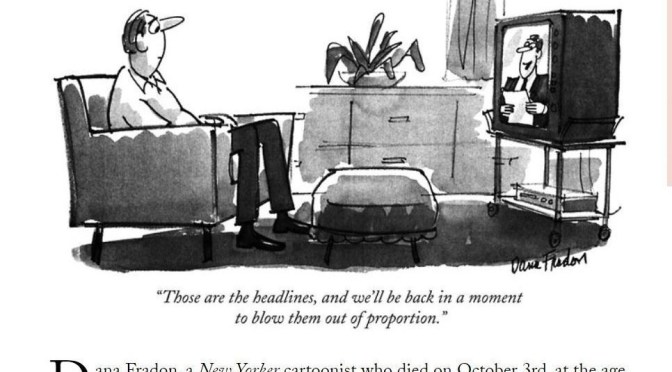
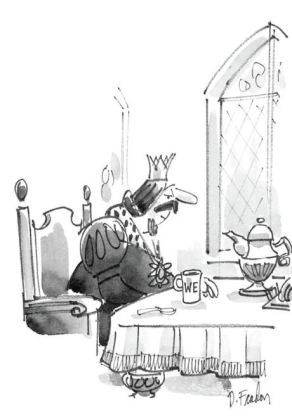 Fradon’s elaborate drawings were generous masterpieces of compressed fun. One carefully detailed illustration, published in 1987, depicts a chauffeured convertible making its way up a manicured, tree-lined drive, toward an extravagant hilltop mansion. The self-satisfied owner, seated in the rear seat, says to his companion, “It’s my one indulgence.”
 On “Travel Man,” Ayoade is fun to look at (snappy suits, thick-framed glasses, expression of amused diffidence) and fun to listen to. (Of a monastery turned hotel in Naples, he says, “As well as modish guff, like a rooftop pool and a spa, it retains attractive old shiz, like staircases dug into the hillside.”) His persona is warmly amused, broadly skeptical, and gently astringent—i.e., British. He’s not a joiner. His intros conclude with him saying, in that episode’s particular city and with that episode’s particular guest, “We’re here, but should we have come?”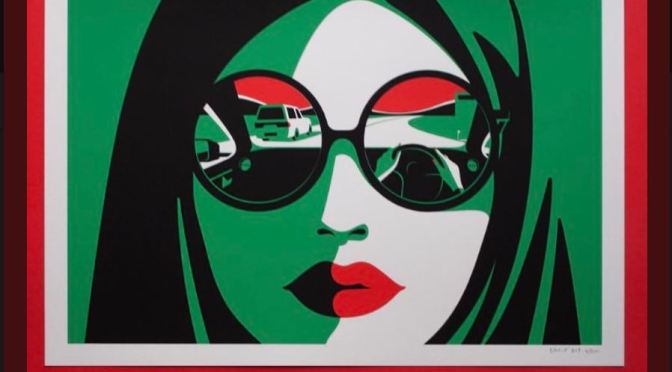
 From the top floor of a 1920s building in Hackney, in the East End of London, Favre’s confidence is at a peak. The bold, graphic style she has developed over the last fifteen years attracts prestigious projects. When she was invited to design the poster for this year’s Montreux Jazz Festival, held every summer in Switzerland since 1967, she became part of a group that includes Milton Glaser, Andy Warhol and Keith Haring. Her poster is full of female silhouettes dancing, the negative spaces between them forming instruments.
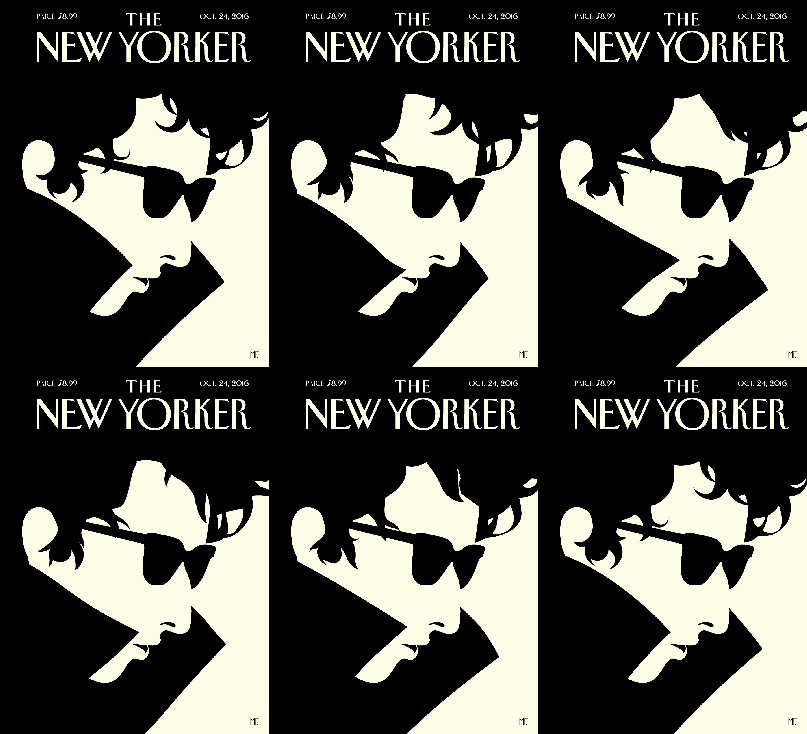 Favre is a French artist based in London.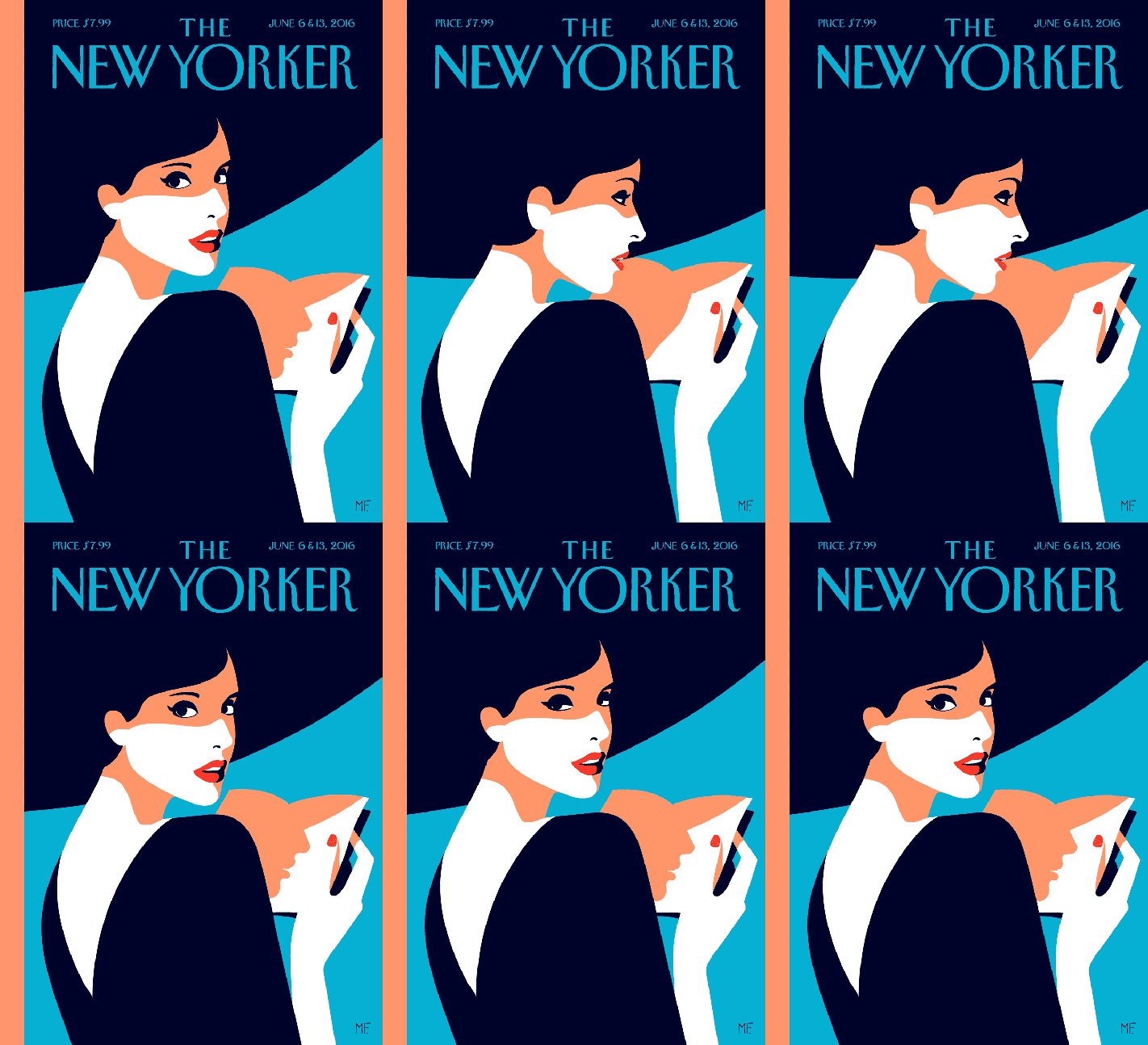
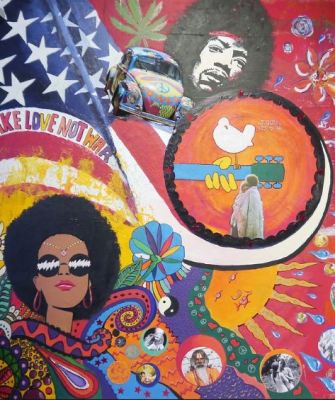 Although the boomers may not have contributed much to the social and cultural changes of the nineteen-sixties, many certainly consumed them, embraced them, and identified with them. Still, the peak year of the boom was 1957, when 4.3 million people were born, and those folks did not go to Woodstock. They were twelve years old. Neither did the rest of the 33.5 million people born between 1957 and 1964. They didn’t start even going to high school until 1971. When the youngest boomer graduated from high school, Ronald Reagan was President and the Vietnam War had been over for seven years.
 Boomers Daily