

Lymphoma is a cancer of the lymphatic system, which is part of the body’s germ-fighting network. The main two subtypes are Hodgkin lymphoma and non-Hodgkin lymphoma. Because of breakthrough research, this once fatal diagnosis has been transformed into a curable condition. In this Mayo Clinic Minute, Dr. Stephen Ansell, a Mayo Clinic hematologist, discusses the different treatment options.
Tag Archives: Medical Treatments

Health Talk: “Prostate Cancer – Diagnosis And Treatments” (Mayo Clinic)
On the Mayo Clinic Radio program, Dr. Derek Lomas, a Mayo Clinic urologist, discusses prostate cancer, including a new biopsy method.
This interview originally aired Feb. 22, 2020. Prostate cancer is the second most common cancer — second to skin cancer — among men in the U.S. One in 9 men will be diagnosed with prostate cancer in his lifetime, according to the American Cancer Society. Screening is important because early detection greatly improves the chances of survival. While some types of prostate cancer grow slowly, and may need minimal or even no treatment, other types are aggressive and can spread quickly. If prostate cancer is suspected, a biopsy can confirm the diagnosis.
Learn more about prostate cancer: https://www.mayoclinic.org/diseases-c…
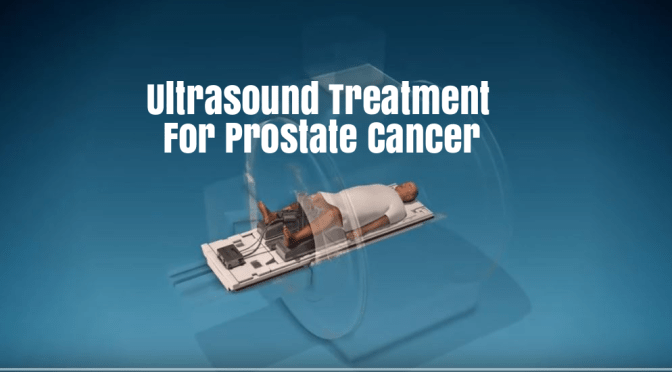
New Medical Innovations: Ultrasound Treatment For Prostate Cancer Proves 80% Effective
From a Radiological Society of North America release:
 The TACT Pivotal study of MRI-guided TULSA for whole-gland ablation in men with localized prostate cancer met its primary PSA endpoint in 96% of patients, with low rates of severe toxicity and residual GG2 disease. MRI at 12mo detected residual disease with NPV of 93%.
The new technique is called MRI-guided transurethral ultrasound ablation (TULSA) and has been under development for a number of years. The minimally invasive technology involves a rod that enters the prostate gland via the urethra and emits highly controlled sound waves in order to heat and destroy diseased tissue, while leaving healthy tissue unharmed.
To read more: https://press.rsna.org/pressrelease/2019_resources/2129/abstract.pdf
 Boomers Daily