National Geographic (September 30, 2024): Nearly 4 million visitors per year are drawn by the soaring peaks, lush meadows and endless forests. However, often hidden from view, a hardy cast of animals, from tiny pikas to grizzly bears, tough it out to survive in this iconic, wild wonder of the West.
Explore this 300,000 acre patchwork of protected lands and the fascinating hidden lives of those that call Grand Teton National Park home.
Grand Teton National Park – We explored over 300,000 acres of Wyoming wilderness and found the best spots to visit on vacation here!
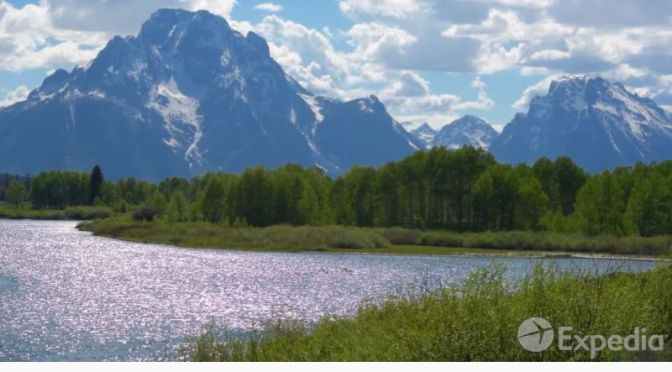
Grand Teton National Park is an American national park in northwestern Wyoming. At approximately 310,000 acres (480 sq mi; 130,000 ha; 1,300 km2), the park includes the major peaks of the 40-mile-long (64 km) Teton Range as well as most of the northern sections of the valley known as Jackson Hole. Grand Teton National Park is only 10 miles (16 km) south of Yellowstone National Park, to which it is connected by the National Park Service-managed John D. Rockefeller, Jr. Memorial Parkway. Along with surrounding national forests, these three protected areas constitute the almost 18,000,000-acre (7,300,000 ha) Greater Yellowstone Ecosystem, one of the world’s largest intact mid-latitude temperate ecosystems.
The human history of the Grand Teton region dates back at least 11,000 years, when the first nomadic hunter-gathererPaleo-Indians began migrating into the region during warmer months pursuing food and supplies. In the early 19th century, the first white explorers encountered the eastern Shoshonenatives. Between 1810 and 1840, the region attracted fur trading companies that vied for control of the lucrative beaver pelt trade. U.S. Government expeditions to the region commenced in the mid-19th century as an offshoot of exploration in Yellowstone, with the first permanent white settlers in Jackson Hole arriving in the 1880s.
News, Views and Reviews For The Intellectually Curious


 Boomers Daily