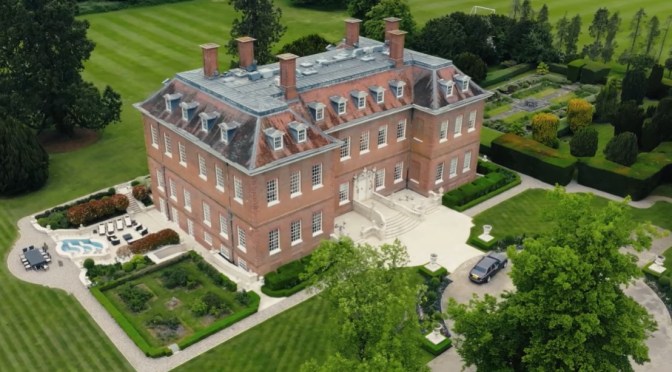
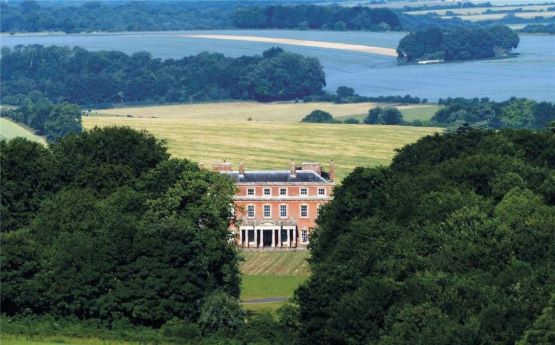
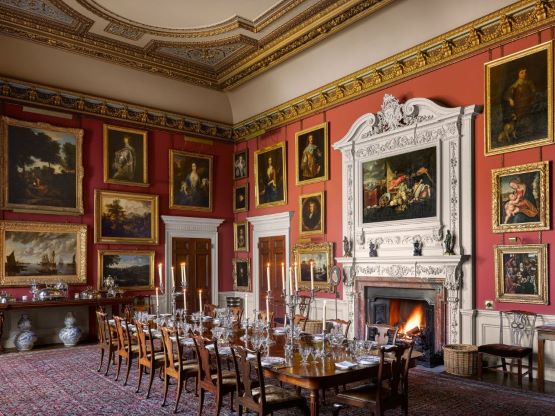
Architectural Digest (July 6, 2023) – A tour of Denham Place, a 17th-century country estate situated just 30 minutes from central London. Built in 1688, this historic property is on the market for £75,000,000 and has just completed an extensive 8-year restoration.
An incredible 12 reception rooms, 12 bedrooms, 14 bathrooms, and grounds inspired by Versailles, make this stately home palatial–and with past residents including the Bonaparte Imperial family, it is a house truly fit for royalty.
The house was constructed in 1688–1701 for Sir Roger Hill, and the architect was probably William Stanton.
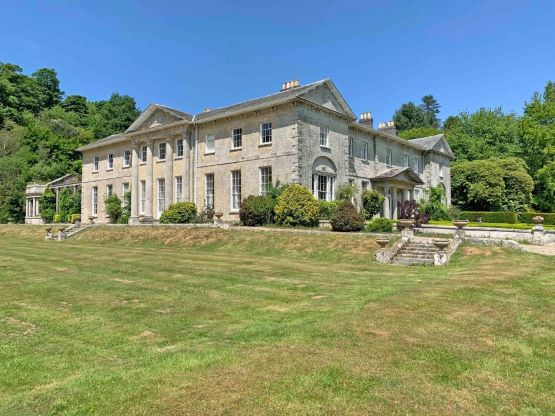
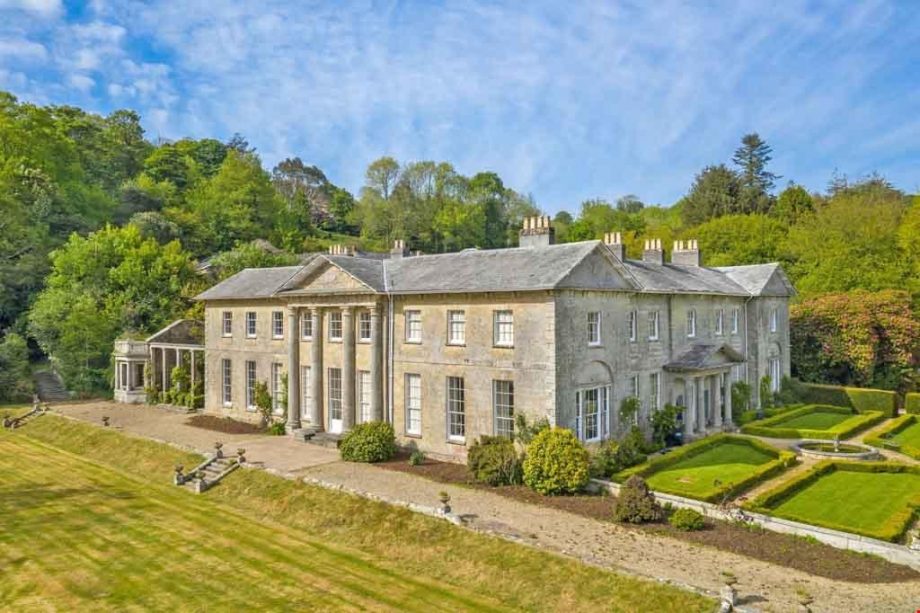
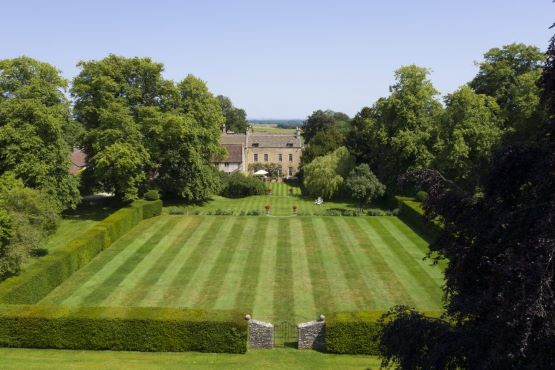
Twelve glorious acres of manicured grounds surround partly Elizabethan Flete House, former seat of the Mildmay family, which overlooks Ermington and Dartmoor, enjoying ‘probably the finest situation in Devonshire’ according to Cornish poet and historian Richard Polwhele (1797).
At Holbeton in the South Hams, not far from Georgian Modbury, it was used as a maternity hospital in the Second World War and has now been converted into 29 apartments, retaining the principal rooms (library, dining, drawing and billiard rooms and others) for communal use, exclusively for over 55s.
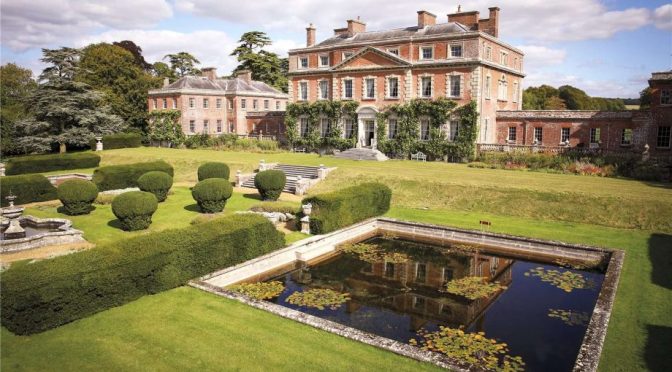
Writing in Country Life in 1997, the magazine’s then-Architectural Editor the late Giles Worsley referred to stately Grade I-listed Trafalgar Park, near Salisbury, Wiltshire, as ‘the Flying Dutchman of the property world, endlessly seeking an owner and being sold on while the fabric slowly decayed’.
The fine country house built by John James of Greenwich in 1733 for City grandee Sir Peter Vandeput was nevertheless described as ‘an estate agent’s dream, a house that always seemed to come back on the market’.
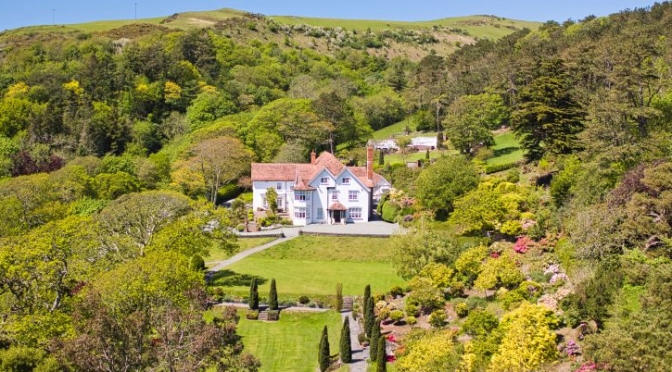
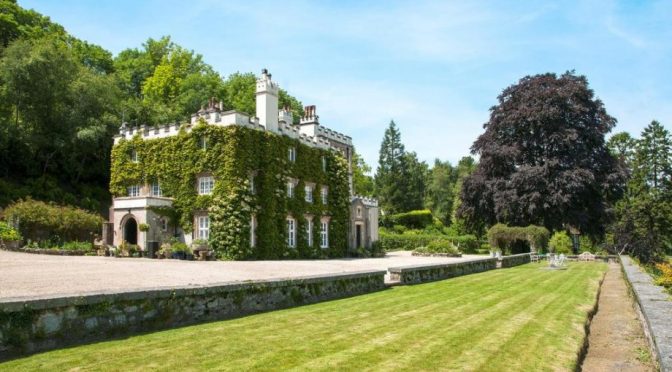
Owned by the vendors for 20 years or more, elegant, Edwardian Plas Penhelig, was built in 1908. It stands in just under 12½ acres of gardens, paddocks and woodland and boasts ‘six different views over the picturesque Dyfi estuary’.
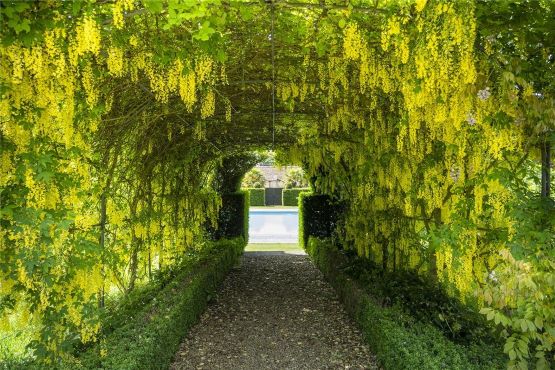
Thanks to the waters of the Gulf Stream, rare plants and flowers flourish in Plas Penhelig’s sheltered valley, where the hillside is planted with a mass of shrubs, flowers and trees—from peonies and azaleas to camellias, magnolias, lavender, laburnum, lilac trees and a monkey puzzle.
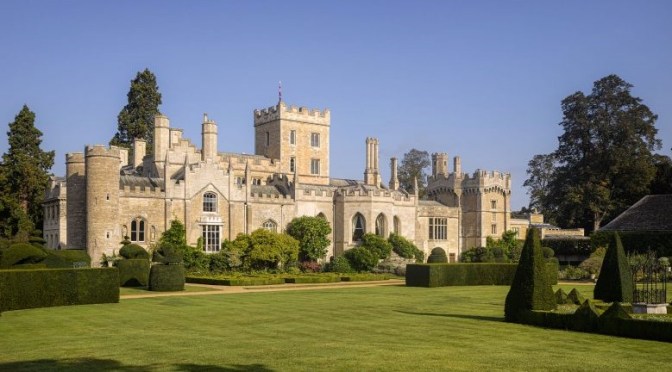
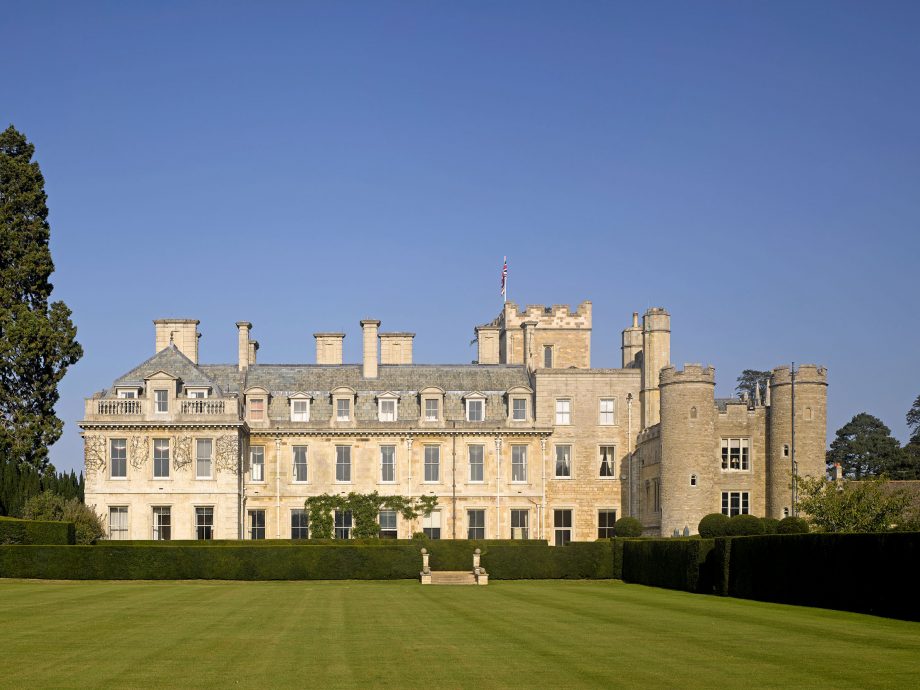
Elton Hall, near Peterborough, is a house of many faces. It is formal and Classical on the approach, yet reveals on inspection a complex architectural history stretching back to the Middle Ages. All this with gardens that extend and frame it with a kind of painterly stillness. Inside, the house has one of the best private art collections in the East of England.
John Goodall
June 27, 2021
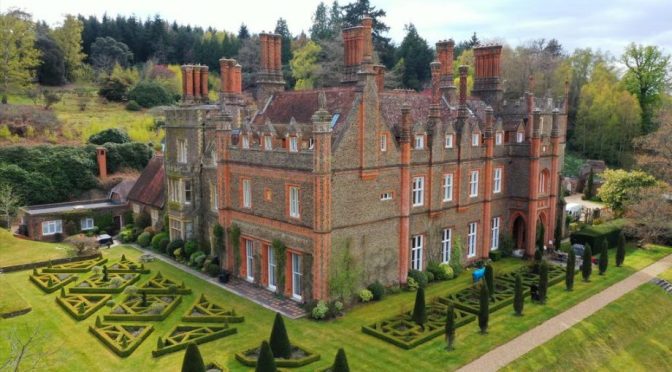
As it survives today, the house bears the stamp of important changes undertaken from 1857 by Granville Proby, the 3rd Earl of Carysfort, which is remarkable, given that he was 74 when he inherited the estate in 1855. He had grown up on the family’s Glenart estates in Co Wicklow, Ireland, fought at the Battles of the Nile and Trafalgar asa naval officer and later rose to the rank of Admiral. What inspired him to undertake this work is not now clear, but it may have been the poor condition of the building.
The architect he chose was Henry Ashton, a pupil of Smirke who served as an assistant to Sir Jeffry Wyatville from 1828 during the latter’s transformation of Windsor Castle (and who edited Wyatville’s posthumously published Illustrations Of Windsor Castle, 1841). It must have been through Windsor that Ashton caught the eye of the anglophile Willem II (Prince of Orange until 1840), who commissioned him, in 1838, to design a summer palace at the Hague. Nothing came of the project.
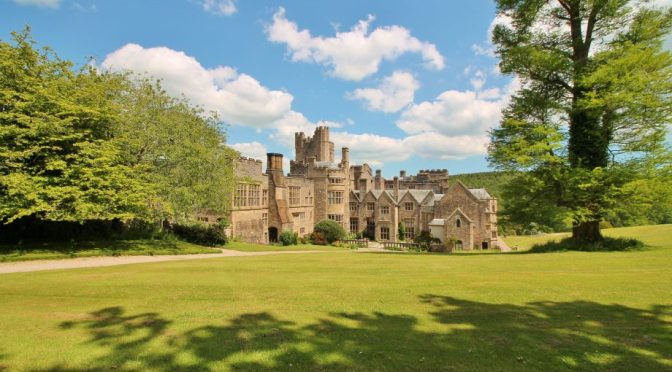
Yarner House and the adjoining Yarner Wood, a 365-acre block of ancient woodland managed by Natural England as part of the East Dartmoor National Nature Reserve, were both once part of the manor of Bovey Tracey granted by William the Conqueror to Geoffrey de Mowbray, Bishop of Coutances.
Penny Churchill
June 22, 2021
On de Mowbray’s death in 1093, his nephew, Robert Mowbray, Earl of Northumberland, inherited, but later defied the king, which led to the seizure of his estates in 1095.
Over time, ownership of the Bovey Tracey estates reverted to the Crown as favourites came and went, until, in the 16th century, a succession of costly wars left Tudor monarchs strapped for cash.
Elizabeth I began to sell off Crown properties and, in 1578, the Yarner estate was bought by Gregory Sprint, a canny lawyer with good Court connections, who swiftly resold it at a profit.
Towering amongst the stunning parkland setting in the Surrey Hills Area of Natural Beauty is Albury Park Mansion, a magnificent estate that dates back a century — it’s mentioned in the Domesday Book — and which has had a great house at its heart since the early 17th century.
Lydia Stangroom
June 18, 2021
The house has evolved over the years, and as it stands now bears the fingerprints of one of the great 19th century architects, Augustus Pugin, who remodelled it for Henry Drummond in the 19th century.
St Paul’s Church, located within the estate grounds, was used as the setting for Four Weddings and a Funeral, during the famous wedding scene between Carrie, played by Andie MacDowell, and Hamish, Corin Redgrave. Episodes of the television series Midsomer Murders have also filmed in the house and grounds on the estate.
Much of the building as it stands today was completed in 1805 by Edmund Glynn, son of American Independence supporter John Glynn, but its history is much older.
Penny Churchill
June 9, 2021
The manor was mentioned in the Domesday Book and was later home to distinguished personages such as Henry II’s Justiciar, Richard de Lucy, and perhaps most extraordinary of all the Earl of Warwick, ‘the Kingmaker’.
In the 18th century, the estate belonged to Waterloo hero Sir Hussey Vivian and, in the 1960s, to Nobel-prize winning chemist Peter Mitchell.
There is no better address in the Cotswolds than that of the Duke of Beaufort’s Badminton estate in south-west Gloucestershire.
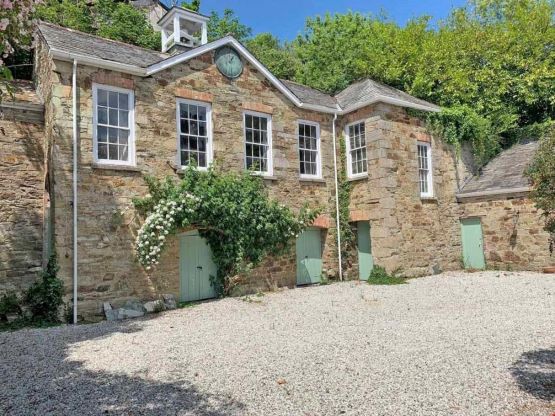
The property originally dates from the 16th century, with alterations from the 17th and 18th centuries, but the present house is largely based on the remodelling that took place in 1812 for the Duke of Beaufort’s son, Lord William Somerset, who was rector of St Mary Magdalene Church that stands opposite the former rectory.



















 Boomers Daily