Tag Archives: Eastern Asia

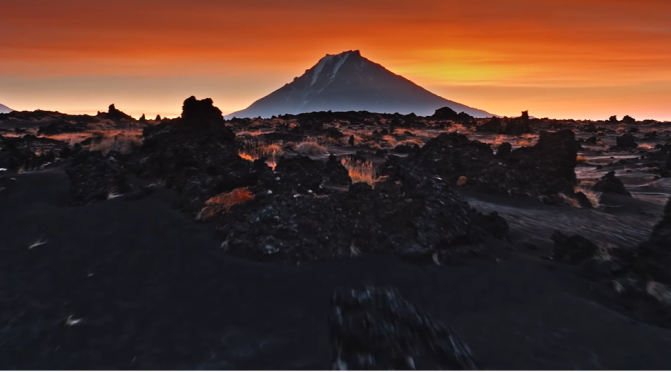
Aerial Views: Kamchatka Peninsula, Eastern Russia

Kamchatka Peninsula, also spelled Kamčatka, Russian Poluostrov Kamchatka, peninsula in far eastern Russia, lying between the Sea of Okhotsk on the west and the Pacific Ocean and Bering Sea on the east. It is about 750 miles (1,200 km) long north-south and about 300 miles (480 km) across at its widest; its area is approximately 140,000 square miles (370,000 square km).

Two mountain ranges, the Sredinny (“Central”) and Vostochny (“Eastern”), extend along the peninsula and rise to 15,584 feet (4,750 metres) in Klyuchevskaya Volcano. The trough between these mountain chains is occupied for much of its length by the Kamchatka River. Of the 127 volcanoes, 22 are still active, as are a number of geysers and hot springs. Most of the active volcanoes lie along a fault line on the eastern flank of the Vostochny Range.

The western coastlands of the Kamchatka Peninsula form a low plain crossed by many rivers and with extensive swamps, while the eastern coast is an alternation of broad gulfs and cliffed, mountainous peninsulas. A small geothermal-power station uses underground steam and is in operation near the southern end of the peninsula.
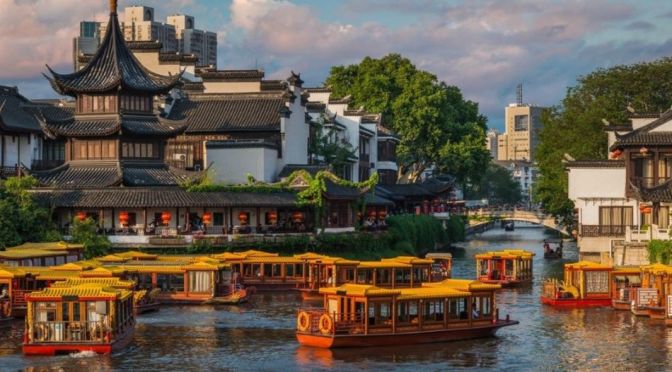
Walking Tour: Nanjing In Jiangsu, Eastern China (4K)

Nanjing, capital of China’s eastern Jiangsu province, is roughly 300km up the Yangtze River from the city of Shanghai. It was the national capital during part of the Ming dynasty. Many monuments and landmarks remain, including Zhonghua Gate (Gate of China), a preserved 14th-century section of the massive wall that contained the old city’s southern entrance.

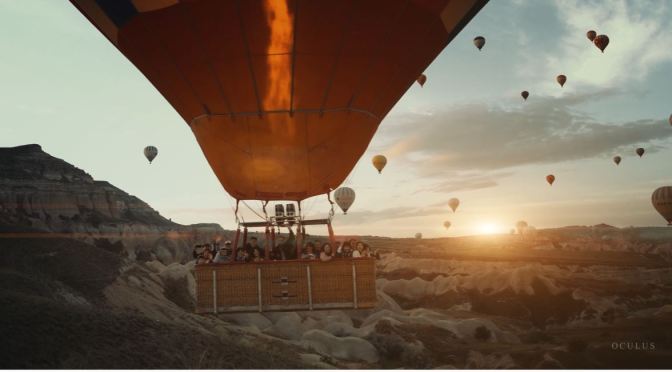
Travel: ‘Diverse & Exotic Cultures Of Turkey’ (4K)

The culture of Turkey  combines a heavily diverse and  heterogeneous  set of elements that have been derived from the various cultures of the Eastern Mediterranean (West Asian) and Central Asian region and Eastern European, and Caucasian traditions. Many of these traditions were initially brought together by the Ottoman Empire, a multi-ethnic and multi-religious state.

During the early years of the republic, the government invested a large amount of resources into fine arts such as paintings, sculpture and architecture. This was done as both a process of modernization and of creating a cultural identity.

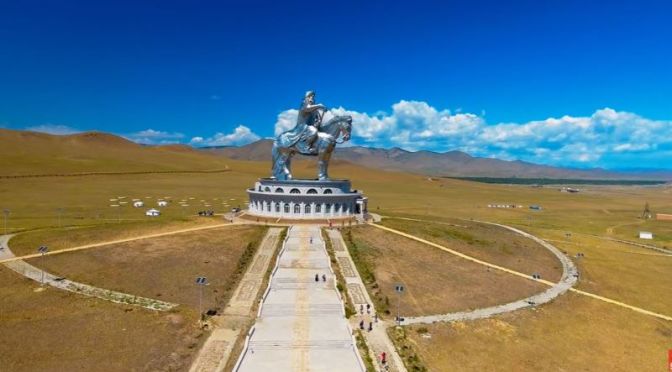
Aerial Views: ‘Cities And Landscapes Of Mongolia’

Mongolia, a nation bordered by China and Russia, is known for vast, rugged expanses and nomadic culture. Its capital, Ulaanbaatar, centers around Chinggis Khaan (Genghis Khan) Square, named for the notorious founder of the 13th- and 14th-century Mongol Empire. Also in Ulaanbaatar are the National Museum of Mongolia, displaying historic and ethnographic artifacts, and the restored 1830 Gandantegchinlen Monastery.