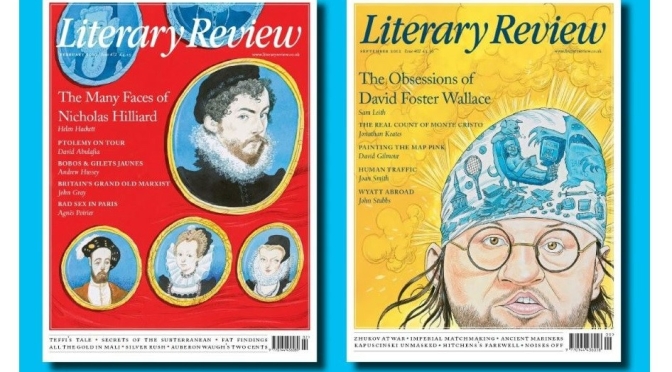


Literary Review – August 3, 2024: The latest issue features ‘Rise and Fall of the Cromwells’; Thom Gunn’s demons; Prams and paintbrushes; Children of Atatürk; Friedrich in nature…

Literary Review – August 3, 2024: The latest issue features ‘Rise and Fall of the Cromwells’; Thom Gunn’s demons; Prams and paintbrushes; Children of Atatürk; Friedrich in nature…

Literary Review – July 2, 2024: The latest issue features ‘A Tale of Two Fabulists’, North America Ablaze, Pascal Decoded, League of Dictators and Roffey’s Rage…
American Civil Wars: A Continental History, 1850–1873 By Alan Taylor
A mountain of historical studies testifies to enduring interest in the American Civil War, a conflict still politically relevant in a nation riven over how to remember it. Those doubting that there is anything fresh to say about the bloodiest event in the republic’s history should read Pulitzer Prize winner Alan Taylor’s brilliant, panoramic account of the conflict.
Travellers in the Golden Realm: How Mughal India Connected England to the World By Lubaaba Al-Azami
One contender for the title of centre of the civilised world in the early 17th century is the Mughal Empire. Lubaaba Al-Azami describes it as ‘a global capital and commercial hub’. The Mughal Empire reached its zenith between the reigns of Babur, the first emperor, who established the ‘golden realm’ in 1526, and his great-great-great-grandson the sixth emperor, Aurangzeb, who died in 1707. This was a time when the artists of the fabulously wealthy Mughal dynasty were building the Taj Mahal and writing and illuminating the Padshahnama.
Vertigo: The Rise and Fall of Weimar Germany 1918–1933 By Harald Jähner (Translated from German by Shaun Whiteside)
Takeover: Hitler’s Final Rise to Power By Timothy W Ryback
The Weimar Republic (so called as the parliament which drafted its constitution in 1919 sat in Weimar owing to unrest in Berlin) lasted for fourteen years and four months, two years longer than the Third Reich that succeeded it. Its history is beset with ironies. Its first president, Friedrich Ebert, a social democrat (and a former innkeeper), turned out to be the embodiment of petit-bourgeois conservatism. Having ditched the monarchy, he made a bargain with the army: they would defend the nascent republic in return for maintaining the old officer corps. This enabled the regime to survive five chaotic years marked by numerous violent attempts to overthrow it from both the Left and the Right.
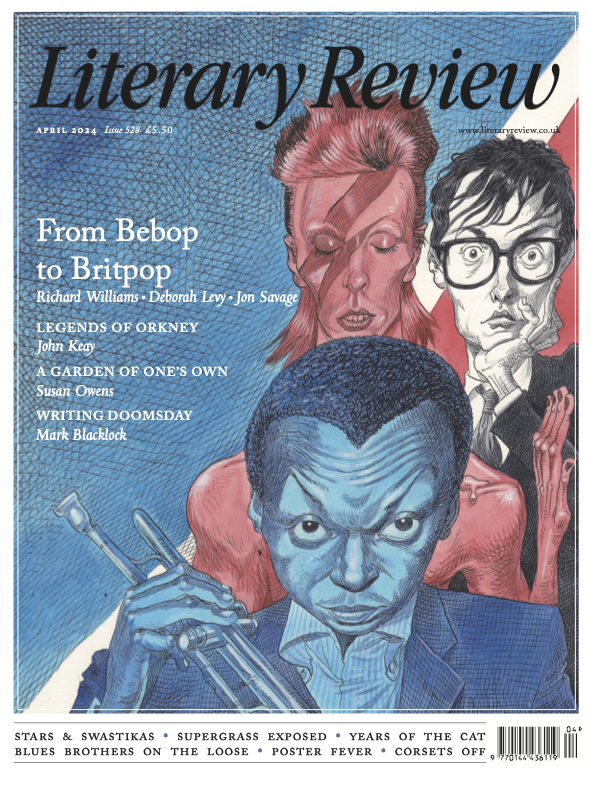
Literary Review – April 2, 2024: The latest issue features ‘From Bebop to Britpop’; Legends of Orkney; A Garden of One’s Own and Writing Doomsday…
By JOHN KEAY
 Boomers Daily