Tag Archives: Yurara Sarara

Japan Gardens: Jojakko-Ji Temple Kyoto In The Rain

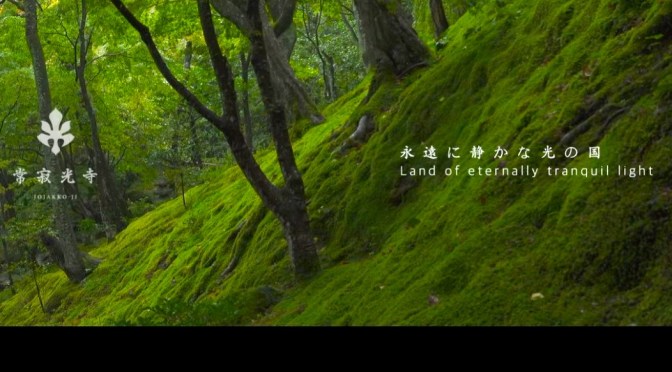
Yurara Sarara Films (January 14, 2024) – Jojakkoji Temple 雨の常寂光寺 in the rain. Established at the end of the 16th century, Jojakkoji is a Nichiren temple situated on the side of Mt. Kokura, on Kyoto’s western edge. The temple is famous for its autumn leaves.

Sensations: The Sounds Of Japanese Water Gardens

Yurara Sarara Films (December 31, 2023) – Japanese water gardens, built in the traditional style of a Tsukiyama Garden originating in Japan, often aim to make a smaller garden appear larger than it is.

In Japan, garden making is considered a high art, akin to the arts of calligraphy and ink painting. Traditionally, the art of garden making was passed from sensei to apprentice through oral transmission.
Views: The Zen Beauty Of Japanese Gardens In Kyoto
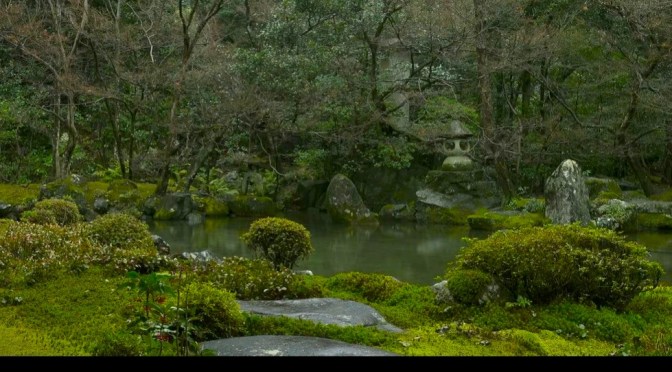
Yurara Sarara Films (December 15, 2023) – Collections of the beauty of Japanese gardens in Kyoto. There are many types of Japanese gardens, from the karesansui dry rock gardens that replicate the flow of water with rocks, to the strolling gardens that are built around a pond. Because of the relation these gardens have with Zen and the Japanese concept of wabi and sabi, they are most often found at temples, so this, of course, means there are many Japanese gardens in Kyoto.

Japan Culture: “100 Wabi-Sabi Gardens” In Kyoto

Yurara Sarara Films (July 16, 2023) – Wabi sabi can be defined as “beauty in imperfection” and can incorporate asymmetry, incompleteness, impermanence, and simplicity.

In addition to gardens, wabi sabi influences many other aspects of Japanese art and culture, such as the tea ceremony and pottery making, and it is also seen as a way of life.

A garden based around wabi sabi incorporates natural and manmade elements in a way that allows visitors to appreciate their humble and imperfect forms. This typically involves using not only plants but also stones and weathered manmade objects as design elements.
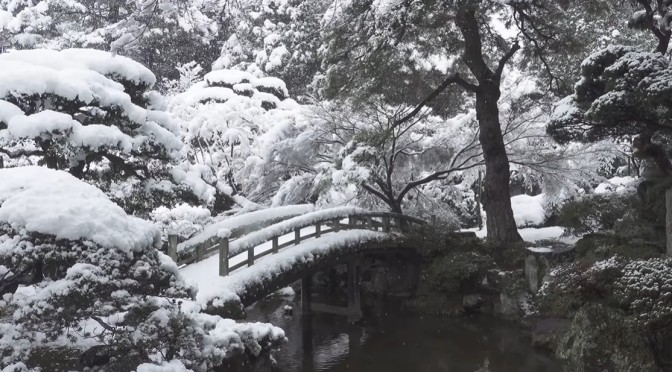
Japan View: ‘Kyoto In Snow’

Yurara Sarara – Kyoto is a city of some 2000 temples and shrines: a city of true masterpieces of religious architecture, such as the retina-burning splendor of Kinkaku-ji (the famed Golden Pavilion) and the cavernous expanse of Higashi Hongan-ji. It’s where robed monks shuffle between temple buildings, prayer chants resonate through stunning Zen gardens, and the faithful meditate on tatami-mat floors. Even as the modern city buzzes and shifts all around, a waft of burning incense, or the sight of a bright vermillion torii gate marking a shrine entrance, are regular reminders that Kyoto remains the spiritual heart of Japan.