TRACKS – Travel Documentaries (March 23, 2024): From mountain ranges with snow dusted peaks and the clear blue sea, the beautiful country of Greece boasts 13,000 km of shoreline.
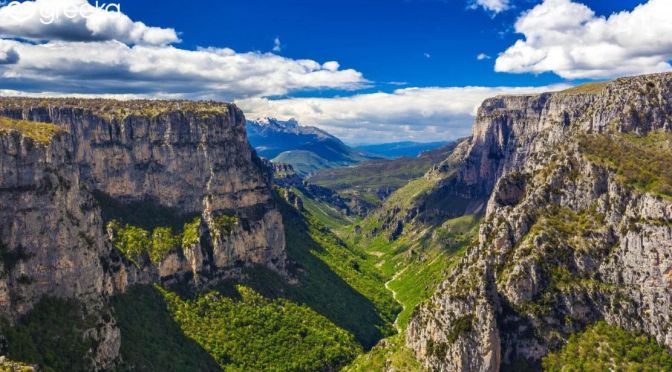
Today we look at the region of Epirus, starting in the wilderness near the Albanian border, we go through little mountain villages to the historically significant town of Ioannina and then then all the way down to the Ambracian Gulf. Learn about the lives of locals in the area, from shepherds, herb collectors, tavern owners, and the caretaker of a cliffside monastery.
Tourister (March 8, 2023) – Thessaloníki, formerly Salonika, historically Thessalonica, city and dímos (municipality), Central Macedonia (Modern Greek: Kendrikí Makedonía), on the western Chalcidice (Chalkidikí) peninsula at the head of a bay on the Gulf of Thérmai (Thermaïkós). An important industrial and commercial centre, second to Athens (Athína) in population and to Piraeus as a port, it is built on the foothills and slopes of Mount Khortiátis (Kissós; 3,940 feet [1,201 metres]), overlooking the delta plains of the Gallikós and Vardar (Axiós or Vardaráis) rivers.
Founded in 316 BCE and named for a sister of Alexander the Great, Thessaloníki after 146 was the capital of the Roman province of Macedonia. As a military and commercial station on the Via Egnatia, which ran from the Adriatic Sea east to Byzantium (i.e., Constantinople), it grew to great importance in the Roman Empire. Two letters written by the Apostle Paul were addressed to its inhabitants (Thessalonians), and its first bishop, Gaius, was one of Paul’s companions. The city prospered in the Byzantine Empire despite repeated attacks by Avars and Slavs in the 6th and 7th centuries. In 732, two years after he prohibited icons, the Byzantine emperor Leo III (reigned 717–741) detached the city from papal jurisdiction and made it dependent on the patriarch of Constantinople. During the iconoclastic regimes of Leo and his successors, the city defended the use of icons in worship and acted to save some of these art treasures.
News, Views and Reviews For The Intellectually Curious




 Boomers Daily