
From an Italy Magazine online article:
 The awesome sight of the expansive Reno river greets you as you enter Casalecchio di Reno. A fairly non-descript satellite town, Casalecchio’s best asset is Parco Della Chiusa (also known as Parco Talon), a vast forest and nature reserve full of crumbling old mansions, hiking trails and great views of the river and undulating hills. The park is a popular spot for picnics and makes a worthwhile destination on its own.
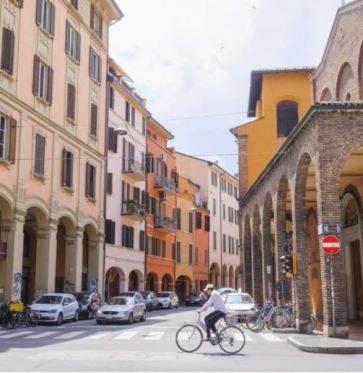
 In this half-day cycle starting from central Bologna and ending at the small town of Sasso Marconi, you can take in hilly scenery of Bologna’s back country, see where history was made at the villa of radio pioneer Guglielmo Marconi and sample some local delicacies in one of the province’s best osterias. The route is entirely flat, mostly along cycle paths and can be done by even the most beginner cyclist. With no tourists around, it offers a chance to see Italian life in all of its ordinariness, away from the sometimes twee environs of the centro storico.
In total, the ride from Bologna to Sasso Marconi should take you one hour at a leisurely pace, not counting stops along the way. Rent a bicycle from Dynamo, a bike co-op on Via dell’Indipendenza near the bus station – a half day rental will cost you 13 euros.
To read more: https://www.italymagazine.com/featured-story/get-out-town-half-day-cycle-trip-bologna
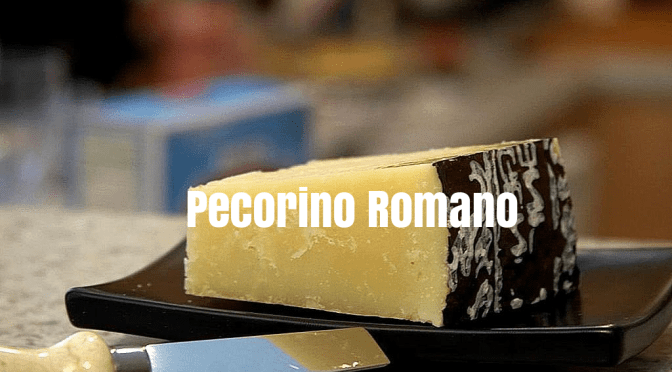
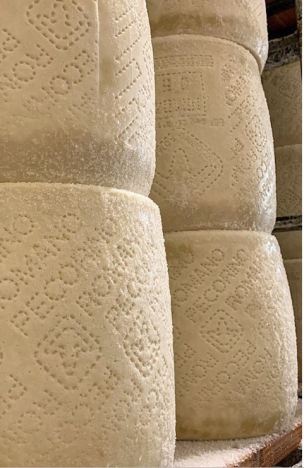 Pecorino Romano today is still made from rich sheep’s milk (pecorino comes from the Italian word for sheep, pecora) and the cheesemaking process closely follows the traditions of the ancient Romans. But most of it is now produced on the island of Sardinia, rather than in the countryside around Rome and Lazio. So why the shift?
 Boomers Daily