

Torquay is a seaside resort town on the English Channel in Devon, south west England. Known for beaches such as Babbacombe and cliffside Oddicombe, its coastline is nicknamed the English Riviera. Torquay Harbour near the town centre offers shops, cafes and a marina. Torre Abbey, a monastery founded in 1196, has art galleries and extensive gardens featuring plants from local writer Agatha Christie’s novels.
Tag Archives: English Channel
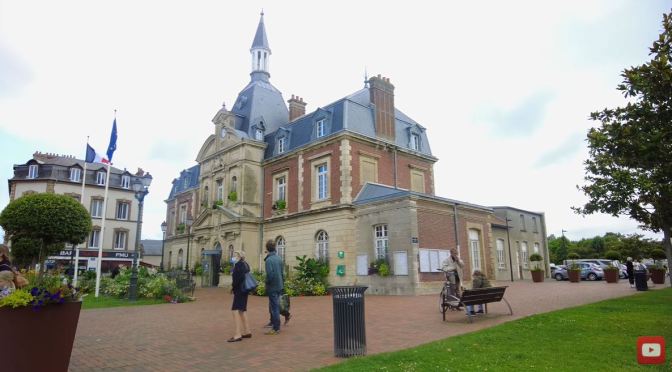
Walking Tour: Cabourg – Northern France (4K)
Cabourg is a commune in the Calvados department in the Normandy region of France. Cabourg is on the coast of the English Channel, at the mouth of the river Dives. The back country is a plain, favourable to the culture of cereal.
Travel: “England Coastal Path” Stretching 2,800 Miles To Open In 2021
From Afar magazine (June 15, 2020):
The England Coast Path will soon allow you to walk along the entire coast of England, including areas previously inaccessible to the public. The trail, due to be completed next year, will stretch 2,800 miles along cliffs and beaches and through seaside towns and major cities, making it the longest marked oceanside path in the world.
Hikers will be able to tackle sections at a time, but those attempting to conquer the whole thing should expect to be plodding along for more than five months. Two slightly shorter routes, the iconic Pacific Crest (2,653 miles) and the Appalachian (2,200 miles) Trails, both take between five and seven months to complete.
The route is split into four sections, some portions of which are already open.
- The north-east portion starts at the border with Scotland and continues along the rocky North Sea coastline to Wash Bay, where it meets up with the coastal part of the existing Cleveland Way National Trail and wanders through resort towns, including Skegness and Mablethorpe, and past historic sites, such as Tynemouth Castle and Priory and St. Mary’s Lighthouse.
- The south-east section connects at Wash Bay then continues west to Southampton, passing long stretches of sandy beach, wildlife reserves, and England’s famous White Cliffs, with their views of France.
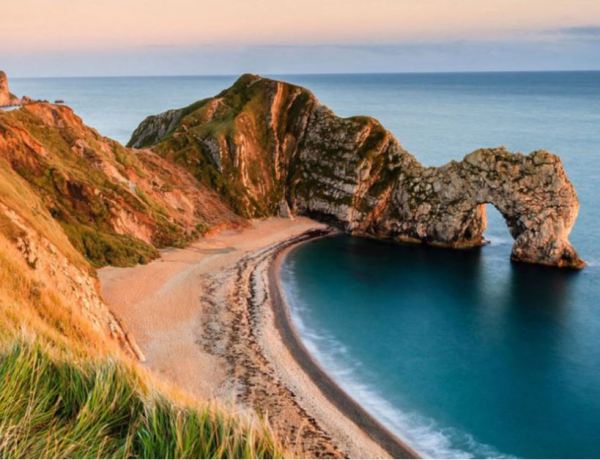
- Much of the south-west section follows the existing South West Coast Path, which runs along the English Channel and features the dramatic Jurassic Coast UNESCO World Heritage site.
- On the west coast of England, the path jumps the Welsh border and picks up again just south of Liverpool then continues north toward Scotland. This north-west portion of the trail cuts through Lake District National Park. Hikers can also explore one of the largest Roman sites in northern Britain near Maryport as well as sites that show the region’s industrial history.
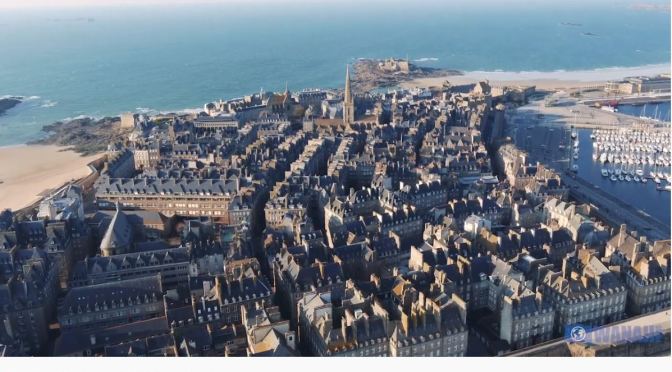
Travel Videos: “Saint Malo” In Northern France (2020)
Filmed and Edited by: JÉRÉMIE ELOY, Wanali Films
Filmed on April 1, 2020
Saint-Malo is a historic French port in Ille-et-Vilaine, Brittany on the English Channel coast.
The walled city had a long history of piracy, earning much wealth from local extortion and overseas adventures. In 1944, the Allies heavily bombarded Saint-Malo, which was garrisoned by German troops. The city changed into a popular tourist centre, with a ferry terminal serving the Channel Islands of Jersey and Guernsey, as well as the Southern English settlements of Portsmouth, Hampshire and Poole, Dorset.
Founded by Gauls in the 1st century BC, the ancient town on the site of Saint-Malo was known as the Roman Reginca or Aletum. By the late 4th century AD, the Saint-Servan district was the site of a major Saxon Shore promontory fort that protected the Rance estuary from seaborne raiders from beyond the frontiers. According to the Notitia Dignitatum, the fort was garrisoned by the militum Martensium under a dux (commander) of the Tractus Armoricanus and Nervicanus section of the litus Saxonicum. During the decline of the Western Roman Empire, Armorica (modern-day Brittany) rebelled from Roman rule under the Bagaudae and in the 5th and 6th centuries received many Celtic Britons fleeing instability across the Channel. The modern Saint-Malo traces its origins to a monastic settlement founded by Saint Aaron and Saint Brendan early in the sixth century. Its name is derived from a man said to have been a follower of Brendan the Navigator, Saint Malo or Maclou, an immigrant from what is now Wales.
Saint-Malo is the setting of Marie de France’s poem “Laüstic,” an 11th-century love story. The city had a tradition of asserting its autonomy in dealings with the French authorities and even with the local Breton authorities. From 1590 to 1593, Saint-Malo declared itself to be an independent republic, taking the motto “not French, not Breton, but Malouin.
From Wikipedia
 Boomers Daily