Tag Archives: Best Science Books

REVIEWS: BEST SCIENCE BOOKS OF 2025 (NATURE)

NATURE MAGAZINE (June 20, 2025): The best books in science in 2025
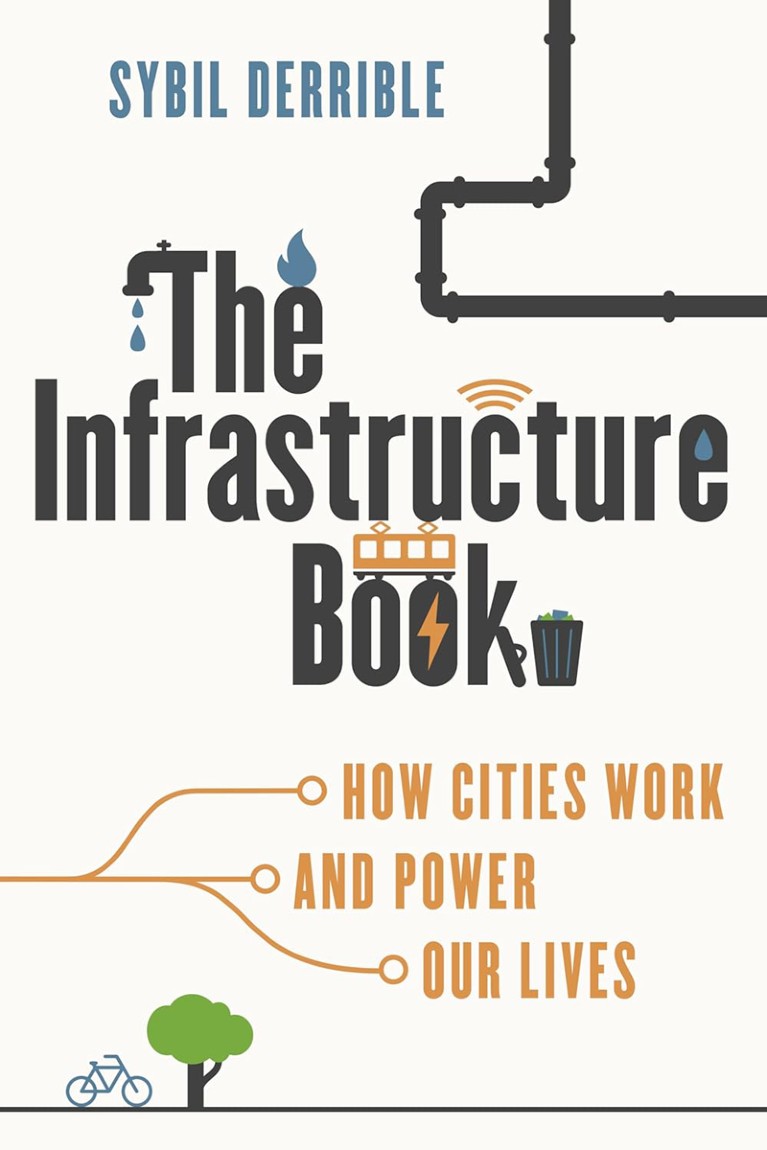
The Infrastructure Book

Sybil Derrible Prometheus (2025)

In 1995, a massive heatwave in Chicago, Illinois, took at least 739 lives. The city authorities assumed that a lack of air conditioning was responsible for most deaths, but an investigation attributed them mainly to social isolation. As Chicago-based engineer Sybil Derrible notes in his penetrating analysis of urban infrastructure: “Technology comes and goes, but infrastructure stays because infrastructure is all about people.” Surveying 16 large cities globally, he investigates water, transport, energy and telecommunications networks.
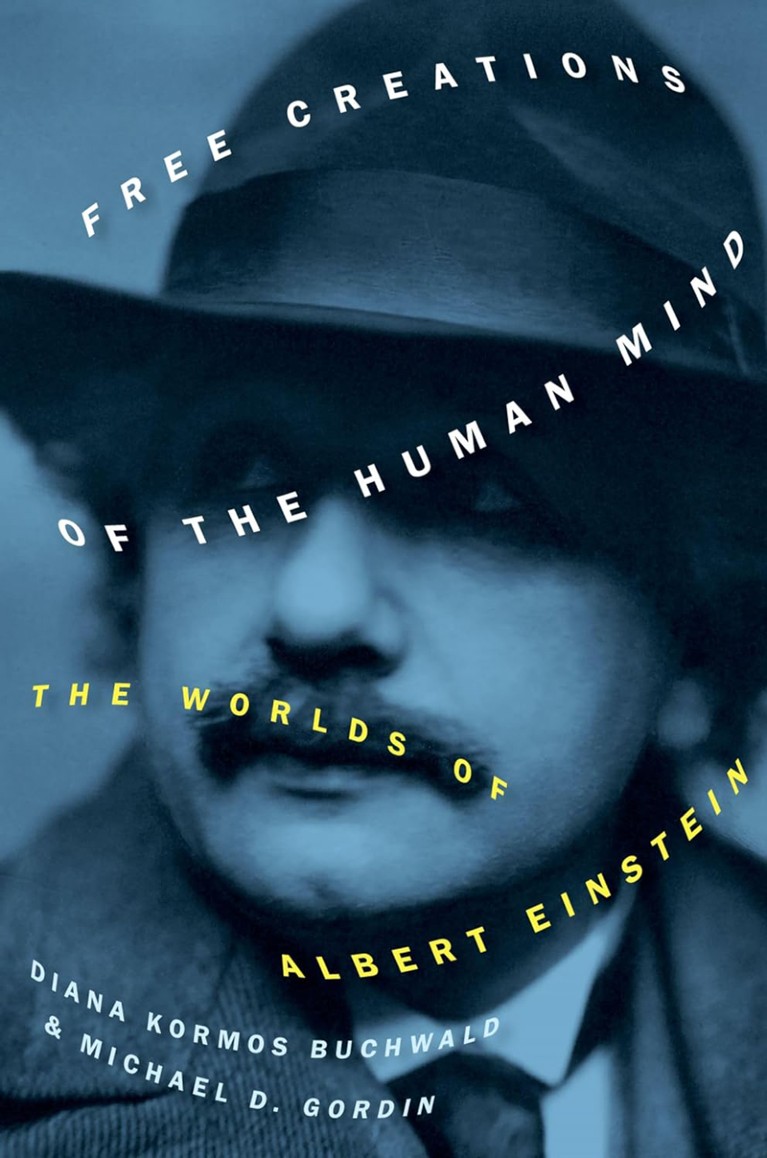
Free Creations of the Human Mind

Diana Kormos Buchwald & Michael D. Gordin Oxford Univ. Press (2025)

Of the physics Nobel prizes awarded since 2000, “no fewer than seven … stem directly from Einstein’s work in 1905 and 1915”, point out historians of science Diana Buchwald and Michael Gordin. Their brief, appealing book discusses the general theory of relativity and quantum theory, but is preoccupied mainly with Albert Einstein’s life, personality and philosophy, especially his complex relationship with war — including the design of the atomic bomb — and pacifism.
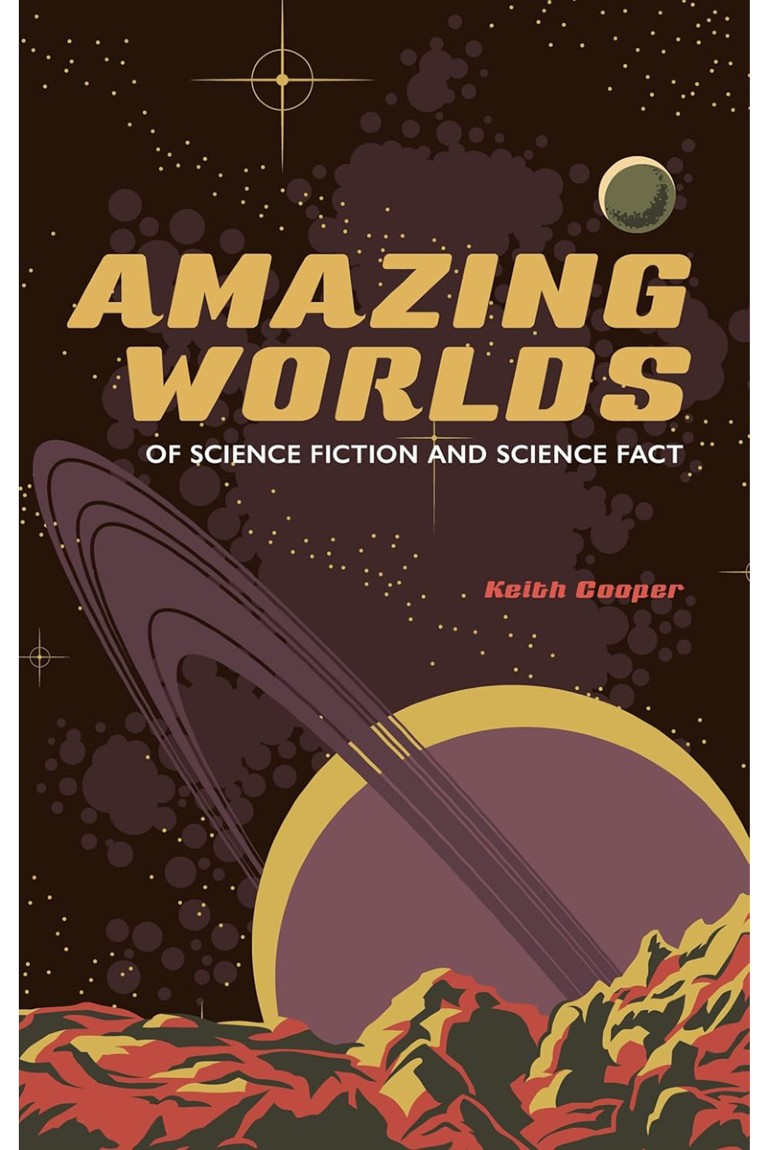
Amazing Worlds of Science Fiction and Science Fact

Keith Cooper Reaktion (2025)

Astronomers observed the first confirmed exoplanet in 1992. Some 5,900 are now known, in about 4,500 planetary systems, with around 1,000 containing several planets, according to NASA. No life has been detected yet, showing just “how rare our planet Earth still is” and how “the imagination imbued within science fiction can only carry us so far”, notes science journalist Keith Cooper. His engaging book, based on interviews with writers and researchers, examines what science fiction has got right and wrong, and what science can learn from it.
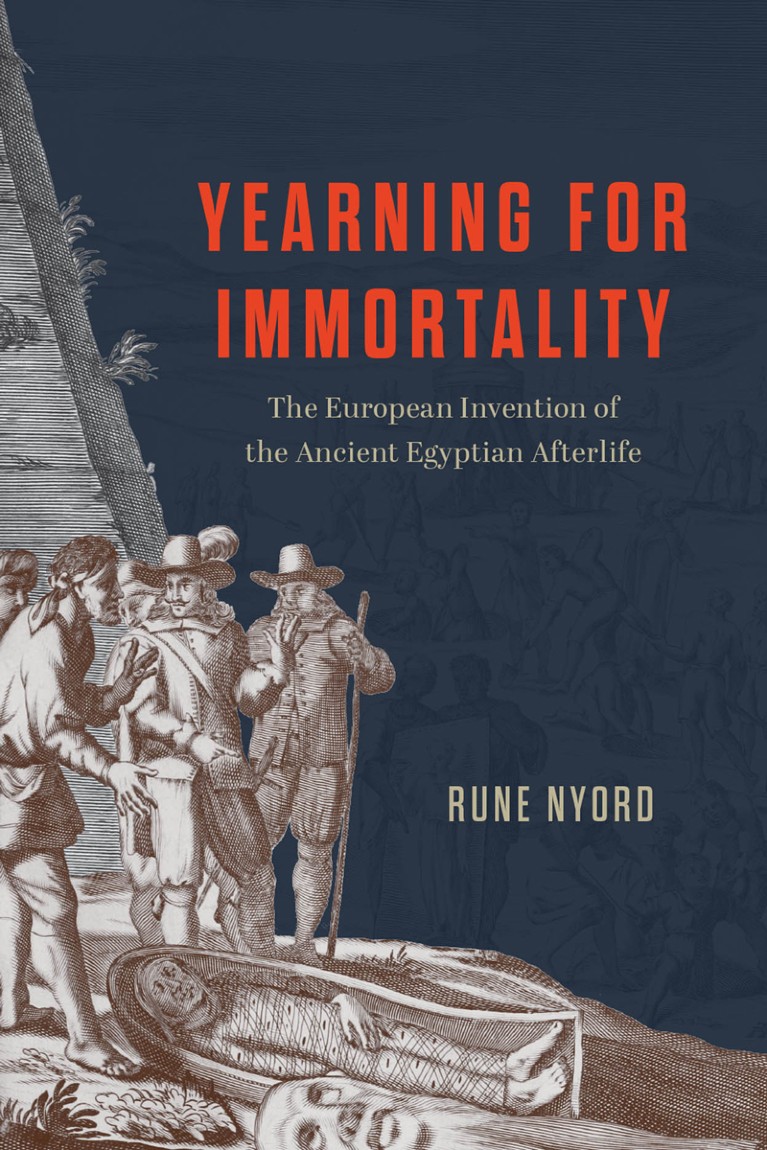
Yearning for Immortality

Rune Nyord Univ. Chicago Press (2025)
Nature Magazine: Top New Science Books Of 2025

SCIENCE MAGAZINE (January 13, 2025): Pictograms, comics and other illustrations: Andrew Robinson reviews five of the best science picks.

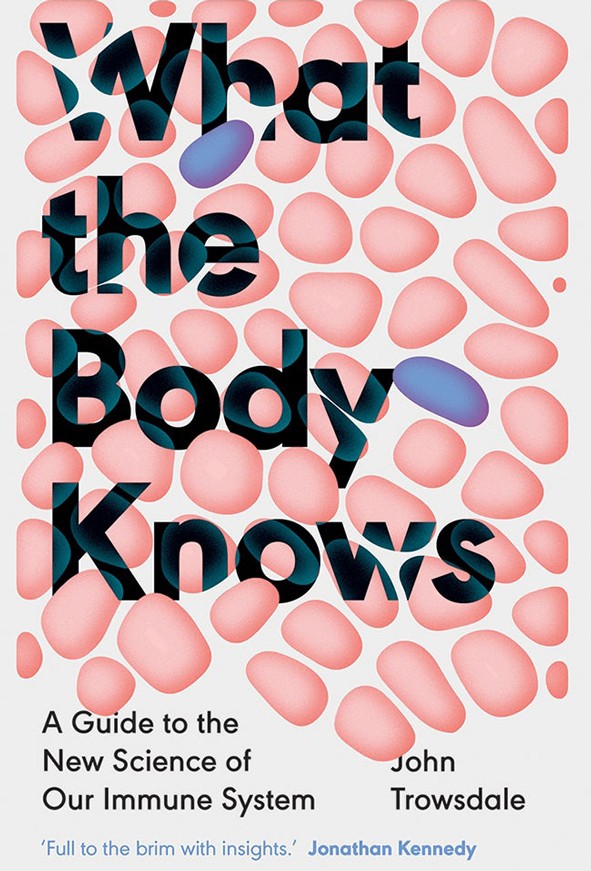
What the Body Knows

John Trowsdale Yale Univ. Press (2024)

To understand the body, “we might picture the heart as a pump, the brain as a kind of computer, the lungs as bellows, the kidney as filters”. But what about the immune system — asks immunologist John Trowsdale in his engaging analysis. It has no straightforward analogy, operating simultaneously as an antiviral software, a surveillance camera, a weapons system and a way to share resources. The system is “unobtrusive yet extensive, nowhere and everywhere, redundant yet essential, powerful yet remote”.

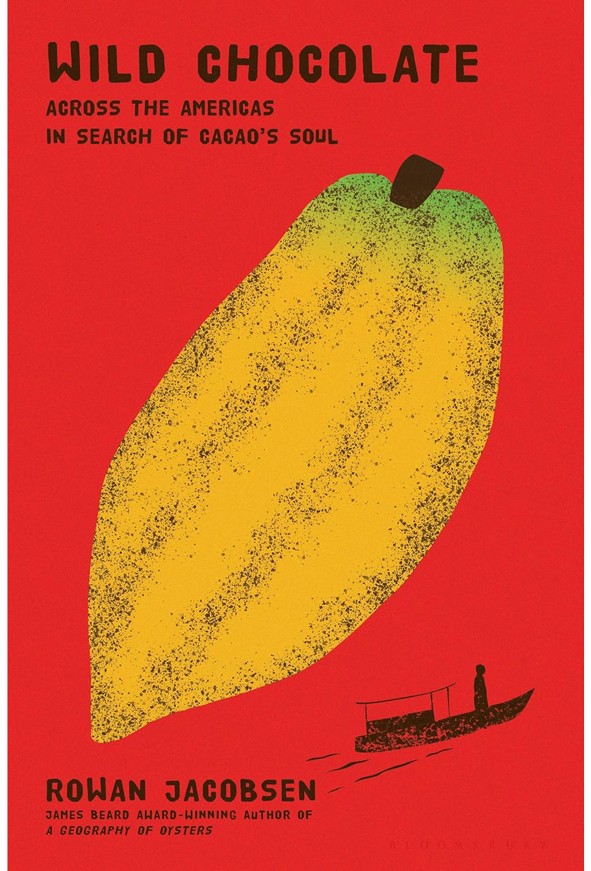
Wild Chocolate

Rowan Jacobsen Bloomsbury (2024)

When residue inside decorative pots from ancient Mexico was analysed, it yielded traces of cacao — early evidence of cocoa consumption. The Spanish word chocolate might have been influenced by the Nahuatl (Aztec) cacahuatl, or cacao water. Journalist Rowan Jacobsen’s appealing book explores wild chocolate’s history as he travels through Central and South America, meeting chocolate makers, activists and Indigenous leaders who revive the bean’s variety in taste and prestige, lost during its modern industrial manufacture.

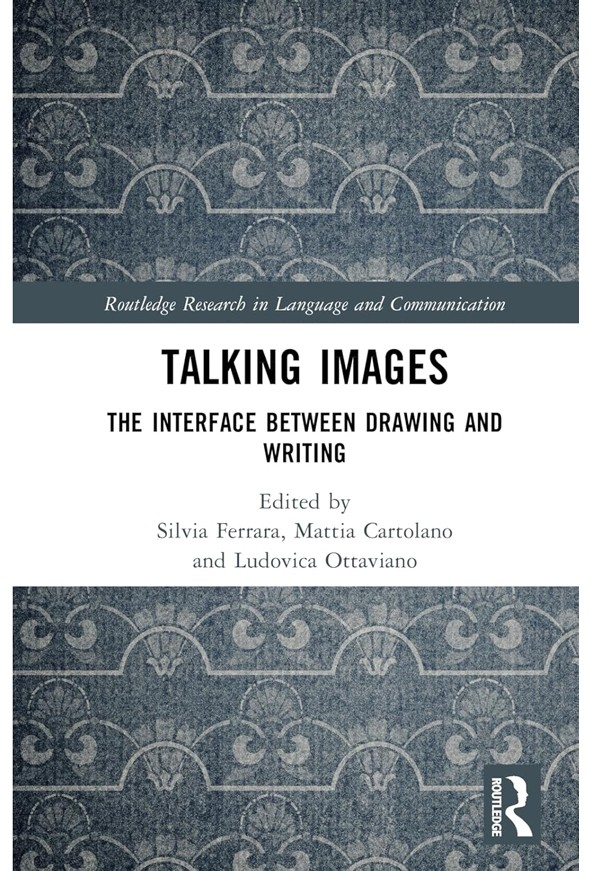
Talking Images

Eds Silvia Ferrara et alRoutledge (2024)

The logo of the Beijing 2008 Paralympic Games was a figure with a red dot ‘head’, blue ‘body’ and single, straight green ‘leg’ — adapted from the Chinese character zhi, meaning ‘birth, life’, ‘arrival’ and ‘achievement’. It is one of a huge variety of “talking images” in a collection edited by three scholars interested in writing. Images range from Palaeolithic symbols and ancient Mesopotamian pictograms to modern Chinese calligraphy and Indian comics. The book traces links between images, marks, language and writing.

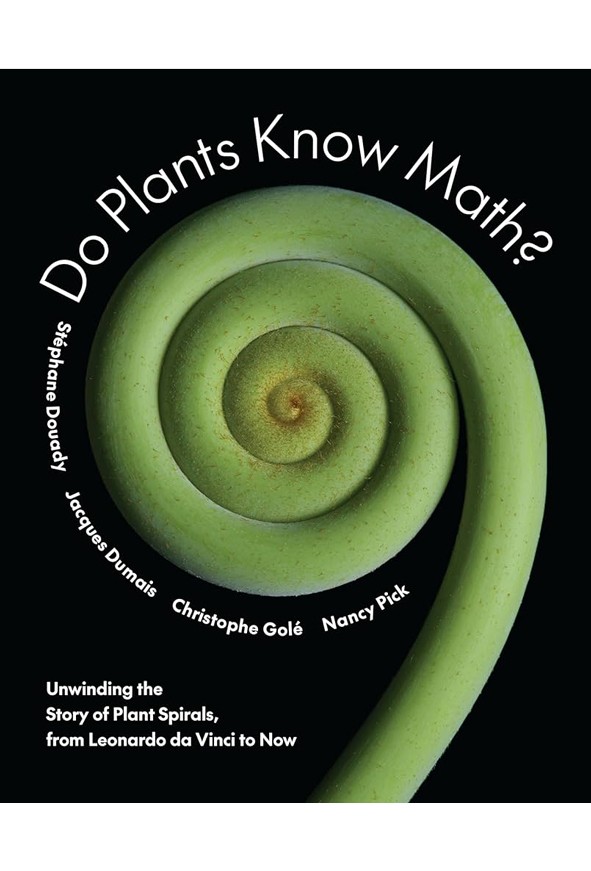
Do Plants Know Math?

Stéphane Douady et al. Princeton Univ. Press (2024)

Nature Magazine: Best Science Books Of 2024

Nature

Nature Magazine (September 9, 2024): Consider the finches: Books in brief. Andrew Robinson reviews five of the best science picks…
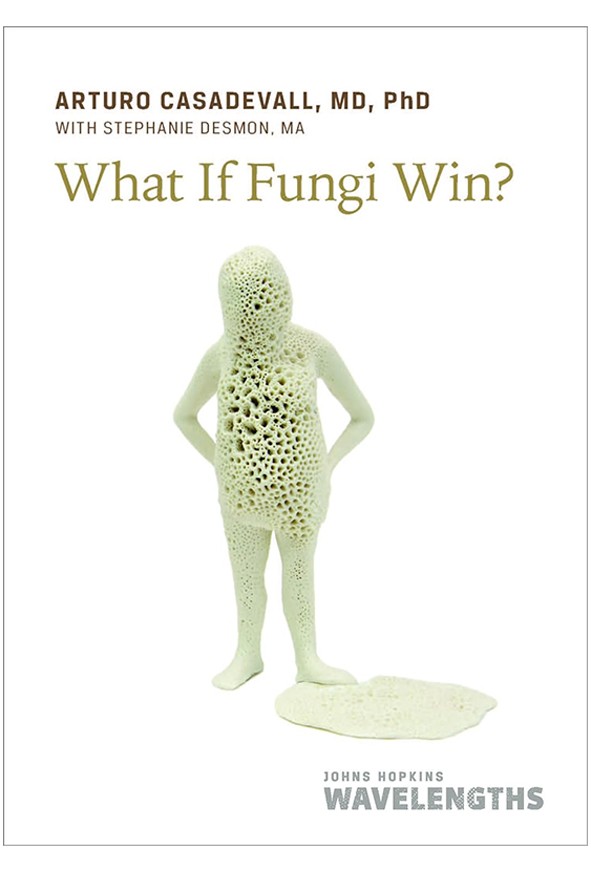
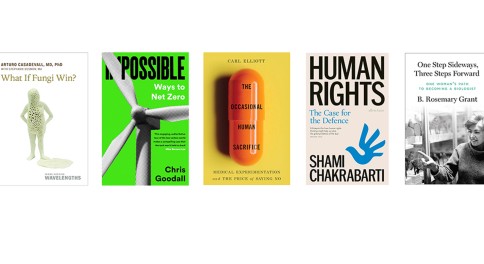
What If Fungi Win?

Arturo Casadevall Johns Hopkins Univ. Press (2024)

Earth’s largest organism, the ‘Humongous Fungus’, thrives under the floor of Malheur National Forest in Oregon. Sprung from a tiny spore 8,000 years ago, it weighs an estimated 31,500 tonnes spread over 10 square kilometres, sucking in nutrients from trees. Fungi are regarded as being more closely related to animals than to plants. “Fungi and humans share nearly 50% of their DNA,” observes epidemiologist Arturo Casadevall, in his brilliant book exploring the properties of fungi that are both fruitful and deadly to humans.

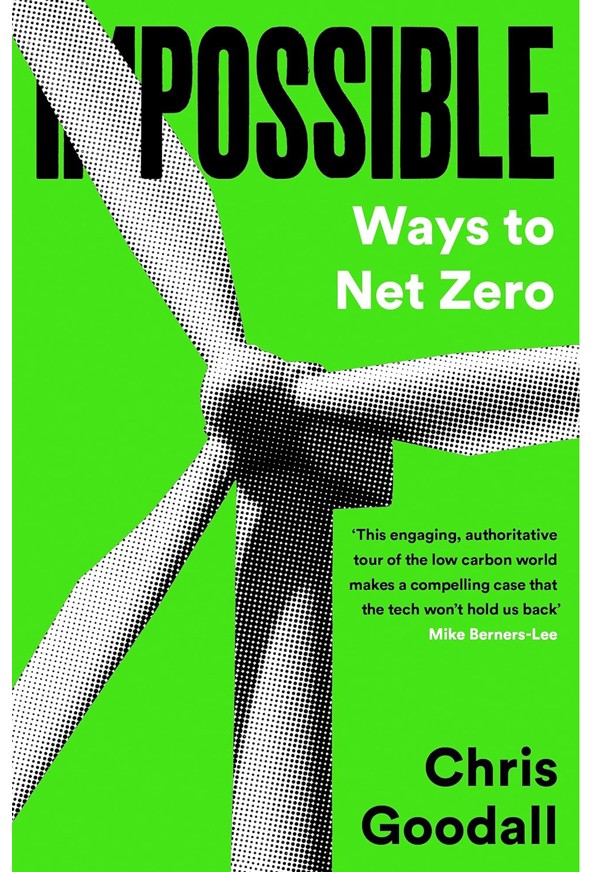
Possible: Ways To Net Zero

Chris Goodall Profile (2024)

Net-zero carbon emissions by 2050 are the global goal. China leads the world in installing wind- and solar-energy capacity, comments businessperson and environmental writer Chris Goodall, in this realistic but hopeful analysis of the technological and attitudinal challenges that all nations face in achieving net zero. The UK laundry company Oxwash — founded in 2018 by a university student tired of broken washing machines — provides services fuelled by renewable electrical power and gas from anaerobic digesters of farm waste.

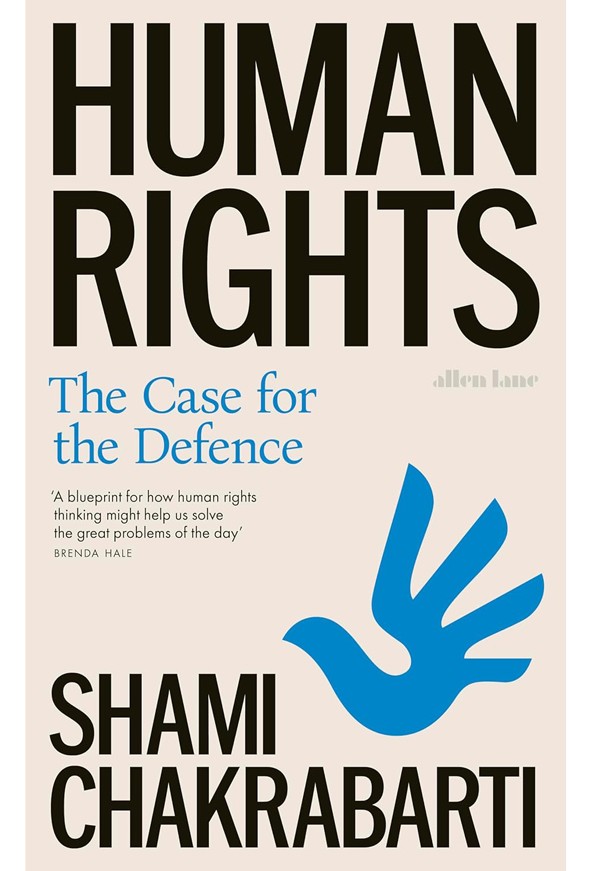
Human Rights: The Case For The Defence

Shami Chakrabarti Allen Lane (2024)

International agreements on fundamental human rights, such as entitlement to a fair trial and free speech, are now under threat in Europe, the United States and elsewhere. Shami Chakrabarti, a human-rights lawyer and former director of the UK National Council for Civil Liberties, considers how to defend these rights. How can “global inequality, conflict, climate catastrophe and the new and under-governed continent of the Internet” be tackled without global values and higher laws, or ways to enforce them?

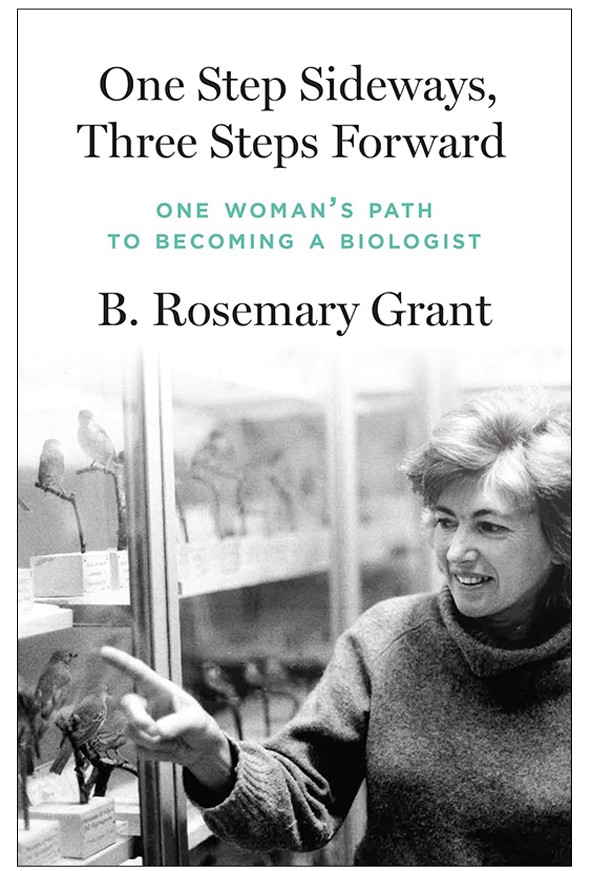
One Step Sideways, Three Steps Forwards: One Woman’s Path to Becoming A Biologist

Rosemary Grant Princeton Univ. Press (2024)

A scientific life “requires critical thinking, following exceptions to your pet theory, respect for others and strong ethical values”, concludes evolutionary biologist Rosemary Grant. Her memoir tells of a girl fascinated by birds and fossils, who later formed a celebrated team with her biologist husband Peter. While raising a family, the couple studied Darwin’s finches in the Galapagos Islands, Ecuador, for six months each year from 1973 to 2012. They revealed visible natural selection in a bird’s lifetime — contrary to Charles Darwin’s initial thinking.

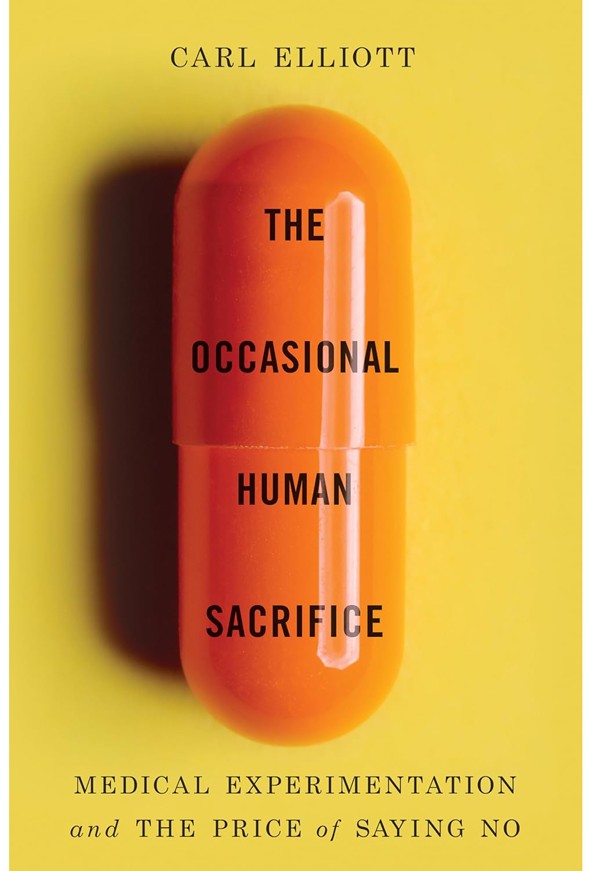
The Occasional Human Sacrifice: Medical Experimentation and the Price of Saying No

Carl Elliott W. W. Norton (2024)

Bioethicist Carl Elliott’s analysis of medical malpractice begins grippingly: “Let me present my credentials as a coward.” He then lists the times he failed to object to mistreatments as a medical student, followed by his frustrating campaign to publicize a case of suicide at his university in which a psychiatrist enrolled a patient in a dubious drug study. These experiences illuminate six historical cases of “occasional human sacrifice” caused by people’s alleged consent to participate in programmes that they did not comprehend.

Nature 633, 277 (2024)

doi: https://doi.org/10.1038/d41586-024-02918-0

Nature Magazine: Best Science Books Of 2024

Nature Magazine (March 15, 2024):

Verbose robots, and why some people love Bach: Books in Brief

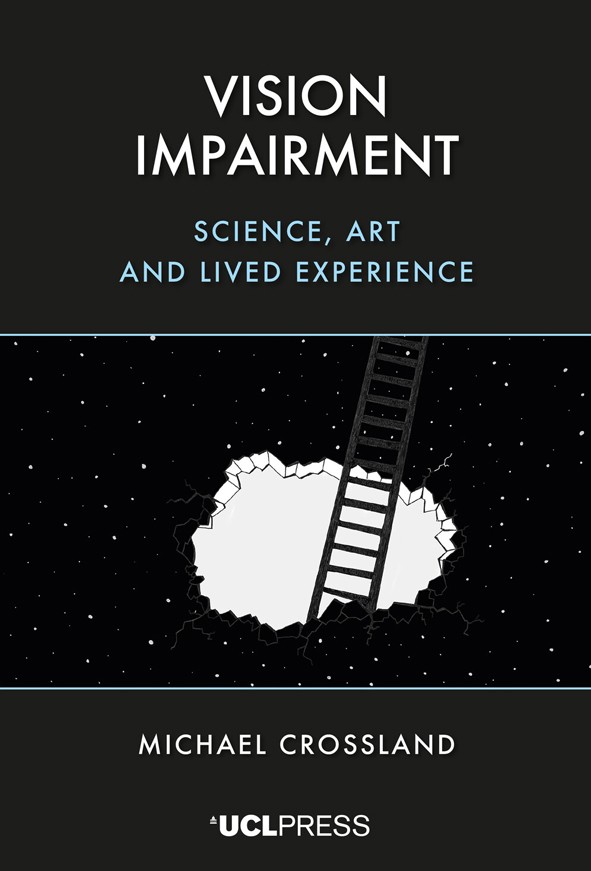
Vision Impairment

Michael Crossland UCL Press (2024)

On a typical day in his clinic, London-based optometrist Michael Crossland assesses both young children and centenarians with low vision. Severe vision impairment affects 350 million people around the world, many of whom in poorer countries lack access to any eye care. His fascinating, sometimes moving, account — mixing ophthalmology with the stories of his patients and many others — reveals that life with vision impairment can be “just as rich and rewarding as life with 20/20 vision”.

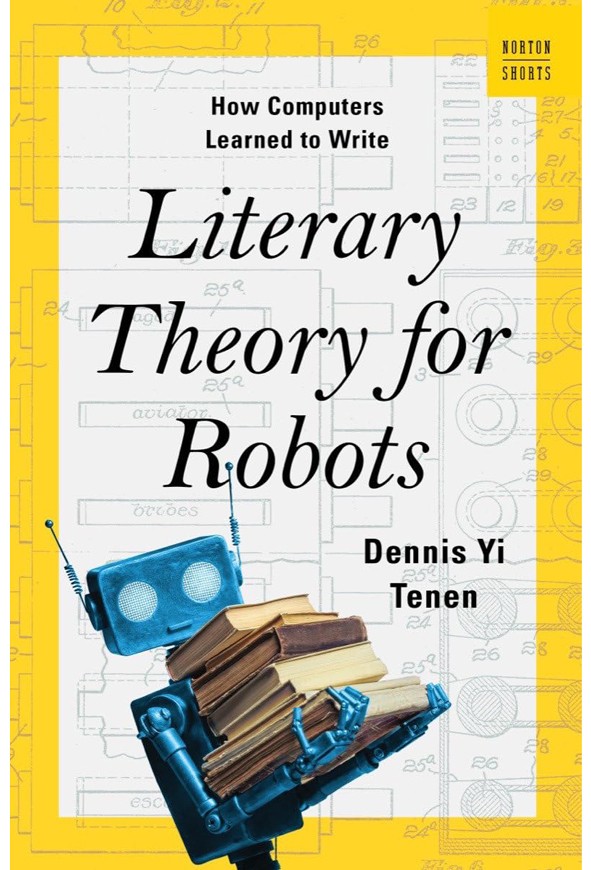
Literary Theory for Robots

Dennis Yi Tenen W. W. Norton (2024)

Artificial intelligence (AI) is rooted in the humanities, argues Dennis Yi Tenen, a comparative-literature professor and former Microsoft engineer. Chatbots are trained using electronic versions of tools such as “dictionaries, style guides, schemas, story plotters [and] thesauruses” that were historically part of the collective activity of writing. Indeed, a statistical model called the Markov chain, crucial to AI, arose from an analysis of vowel distribution in poems by Alexander Pushkin. Tenen’s cogitation is a witty, if challenging, read.

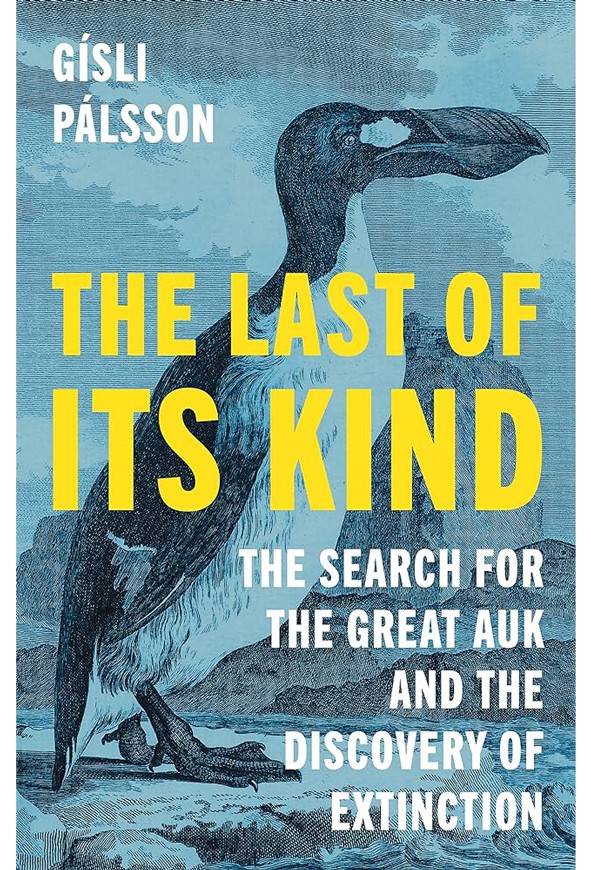
The Last of Its Kind

Gísli Pálsson Princeton Univ. Press (2024)

Living species could never become extinct, thought naturalist Carl Linnaeus. Charles Darwin disagreed, saying extinction was a natural process. Then ornithologists John Wolley and Alfred Newton began studying great auks, flightless birds living on remote islands in the North Atlantic Ocean. They visited Iceland in 1858 to see great auks, but instead met locals who described killing off the birds — revealing how humans could extinguish a species. Anthropologist Gísli Pálsson tells the engaging story of this “key intellectual leap”.

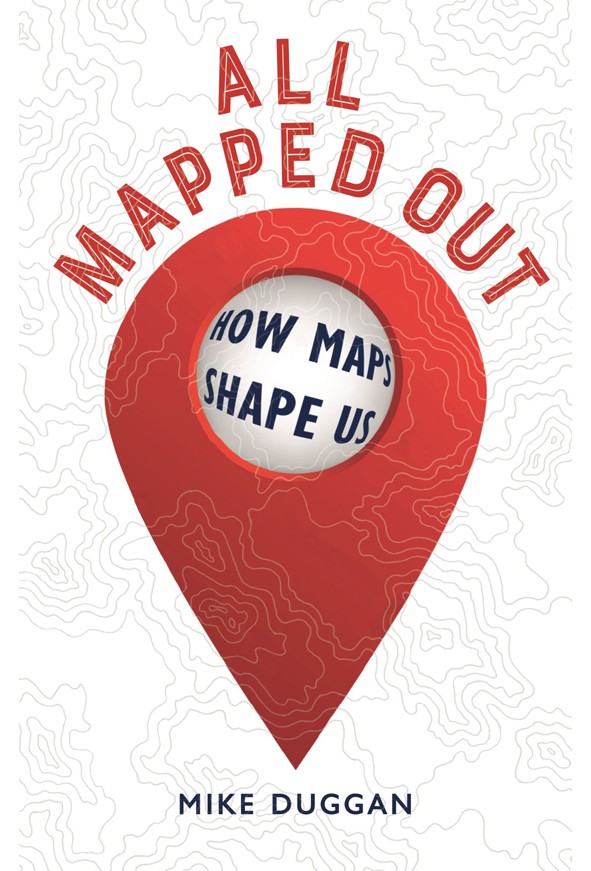
All Mapped Out

Mike Duggan Reaktion (2024)

Cultural geographer Mike Duggan works in partnership with the UK national mapping agency, Ordnance Survey, to study everyday digital-mapping practices. Important as it is, digital mapping is not superseding analogue maps, he observes in his global history of cartography, which begins with Palaeolithic carvings. Sales of Ordnance Survey paper maps are rising, perhaps because of their convenience. “Although digital maps are improving constantly in accuracy and design, they do not always live up to those promises.”

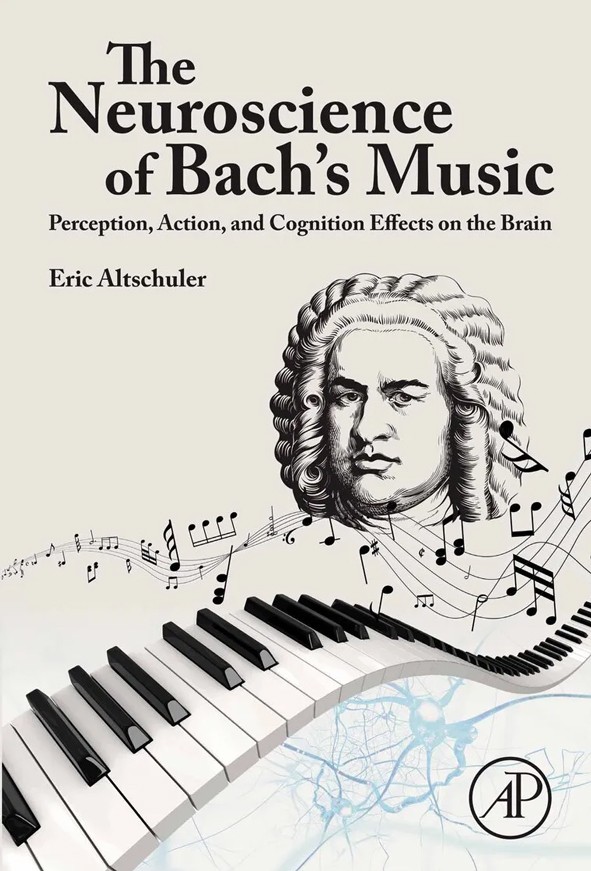
The Neuroscience of Bach’s Music

Eric Altschuler Academic (2024)

Physician and neuroscientist Eric Altschuler regards J. S. Bach as the greatest composer ever, as do many others. Altschuler’s pioneering study — illustrated with numerous musical examples — aims to show how Bach-centred neuroscience “can help us better appreciate perceptual and cognitive affects in Bach” and create better performances of the composer’s work. It also teaches us how music perception is not localized to one region of the brain but occurs throughout it, and varies from person to person.

Nature Magazine: Best Science Books Of 2023

Nature Magazine (December 15, 2023):

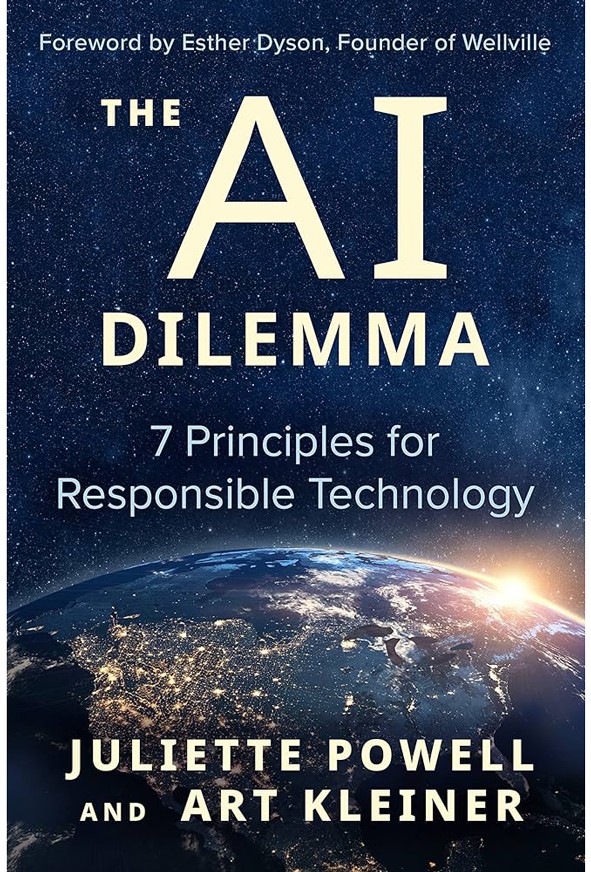
The AI Dilemma

Juliette Powell & Art Kleiner Berrett-Koehler (2023)

The benefits and harms of social media are intimately tied to the ongoing debate about artificial intelligence (AI). Will AI systems trained partly on social media benefit or harm humanity? In their excellent, sometimes alarming, analysis of engineering, social justice, commerce and government, entrepreneur and technologist Juliette Powell and writer and educator Art Kleiner compare humans developing AI tools to first-time parents. They recommend guiding AI systems “as we would a child towards full adulthood”.

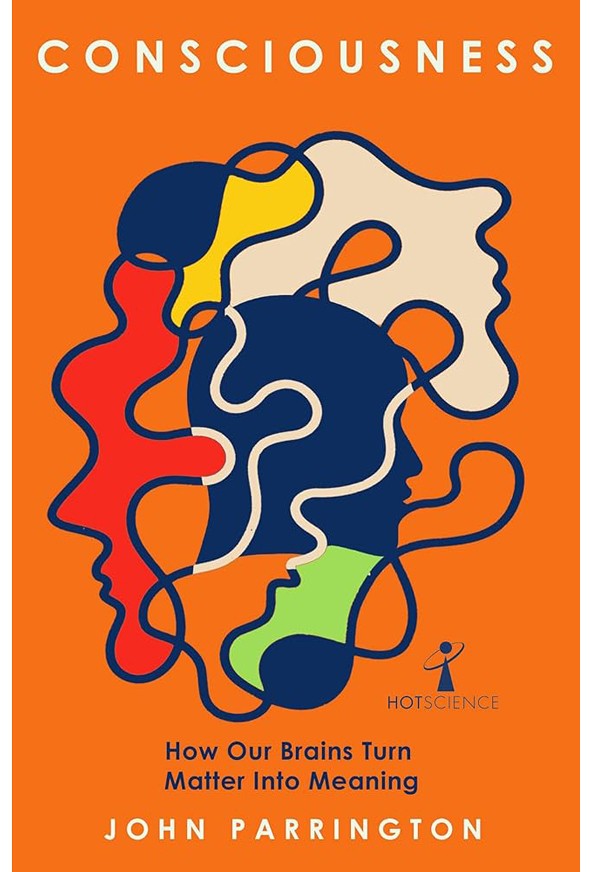
Consciousness

John Parrington Icon (2023)

“The material basis of human consciousness is one of the biggest unsolved issues in science,” admits cellular and molecular pharmacologist John Parrington in his pithy addition to a vast literature dating from the time of ancient Greek philosopher Aristotle. He considers many theories and proposes his own. Humans, he argues, are distinguished by conceptual thought and language, along with skills in designing tools and technologies. The evolution of these powers transformed our brains, creating meaning and consciousness.

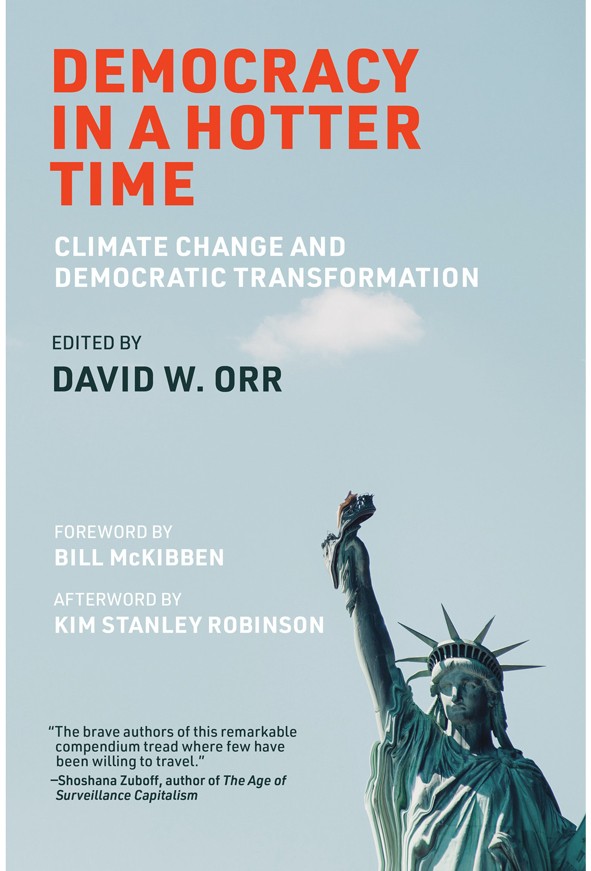
Democracy in a Hotter Time

Ed. David W. Orr MIT Press (2023)

Environmentalist David Orr writes in the introduction to this timely collection that the planet faces two interlinked crises: “rapid climate change and potentially lethal threats to democracy”. The US Constitution rigorously protects private property but does not mention ecological systems, he observes. Contributors — almost all US-based — from a wide range of fields examine the need for political reform. The book is in four parts: the nature of democracy; roadblocks to change; policy and law; and education, including academic culture.

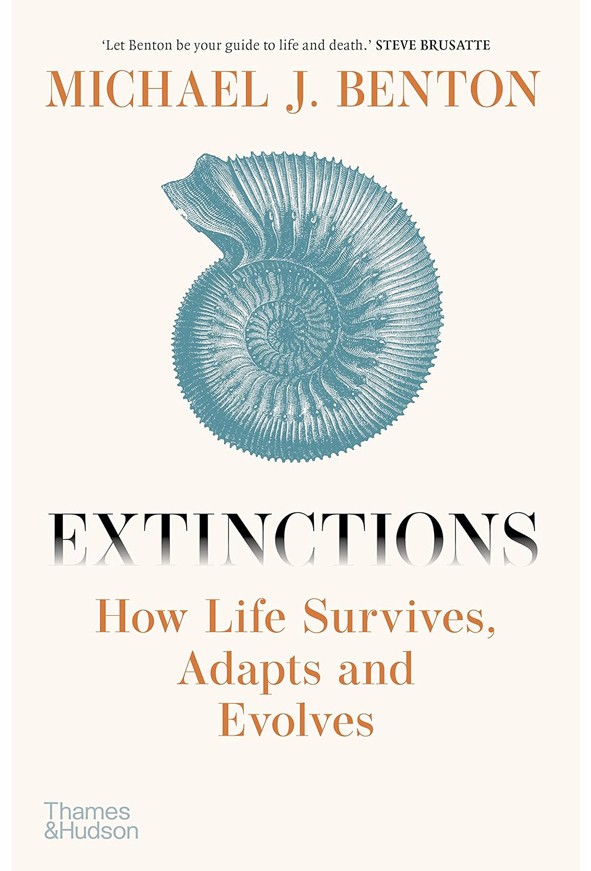
Extinctions

Michael J. Benton Thames & Hudson (2023)

When palaeontologist Michael Benton learnt about dinosaurs as a boy, he “loved the fact they were extinct”. They were like real science fiction. Perhaps he also intuited that their extinction permitted his existence. As his deeply informed and readable book reveals, the mass extinction at the end of the Cretaceous period 66 million years ago allowed a new cohort of creatures — including mammals — to “inherit the Earth”, as did four earlier extinction events. Living species represent less than 1% of all the species that have existed.

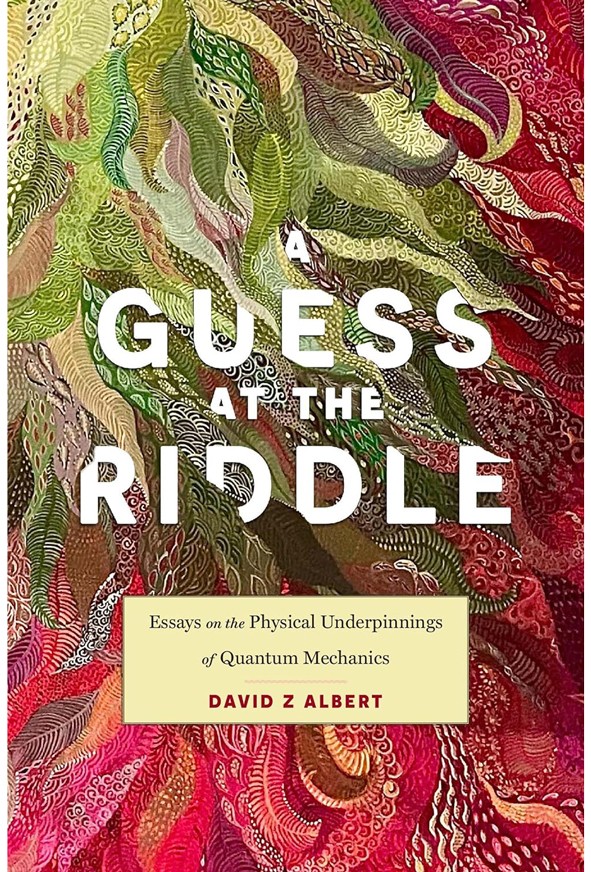
A Guess at the Riddle

David Z. Albert Harvard Univ. Press (2023)

The physical interpretation of quantum mechanics has been a controversial riddle since the 1920s, when Niels Bohr argued that the atom’s inner workings could not be described in physical terms. Today, many philosophers and physicists disagree, but there’s no consensus on an alternative. Philosopher David Albert’s provocative book argues, in three essays, that Bohr’s quantum-measurement problem starts to make sense if the wave function is understood as the fundamental physical ‘stuff’ of the Universe.