We recorded this 4k ultra hd video during our trip to Strasbourg, France on August 2020.
Strasbourg is the capital and largest city of the Grand Est region of France and is the official seat of the European Parliament. Located at the border with Germany in the historic region of Alsace, it is the capital of the Bas-Rhin department. Our guided walking tour is about 4.35 miles (7 km) long, starts at Petite France, ends at Orangerie Park and covers most attractions and historic sites of Strasbourg.
Video Timeline Links: 00:00 – Strasbourg, France Walking Tour Intro 02:05 – Petite France 12:03 – Saint-Thomas Church 20:50 – Gutenberg Square 25:18 – Kammerzell House 25:39 – Notre-Dame Cathedral 33:25 – Prints and Drawings Museum 35:05 – Museum of Fine Arts 42:25 – Raven Bridge and Square 53:00 – St William’s Church 1:02:34 – Tomi Ungerer Museum 1:06:19 – Republic Garden Square 1:07:27 – Palace of the Rhine 1:16:04 – Saint Paul Church 1:19:39 – Kennedy Bridge 1:26:33 – Council of Europe 1:29:21 – Orangerie Park
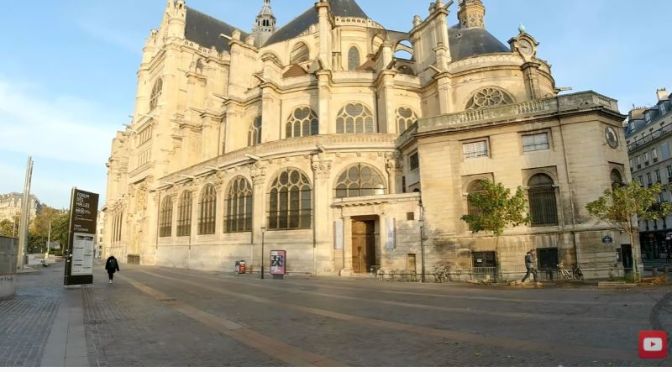
Saint-Germain-des-Prés is one of the four administrative quarters of the 6th arrondissement of Paris, France, located around the church of the former Abbey of Saint-Germain-des-Prés.
Rothenburg ob der Tauber is a German town in northern Bavaria known for its medieval architecture. Half-timbered houses line the cobblestone lanes of its old town. The town walls include many preserved gate houses and towers, plus a covered walkway on top. St. Jakob’s Church houses an intricate, late Gothic altarpiece by woodcarver Tilman Riemenschneider. The medieval Town Hall has a tower with panoramic views.
An imperial castle dating back to 1142 represents the beginning of the town. Elevated to a Free Imperial City in 1274, Rothenburg became one of the most important city states of the Middle Ages. In 1631, during the Thirty Years War, Rothenburg was taken by imperial troops. Ex-Mayor Nusch saved the town by drinking nearly 13 cups of wine in a single gulp, the so-called “Master draught”. Losing its importance in the following centuries, Rothenburg’s medieval center remained untouched. In the Romantic era, the town was discovered by painters and poets and became a symbol of the Middle Ages in Germany. An informative walking tour along the city walls (and to a large extent on the former battlements) is offered by the Rothenburger Turmweg. Information panels and a brochure provide an overview of the town’s 42 towers. The year-round ‘Christmas-Village’ store in Rothenburg is a Christmas Winter Wonderland with more than 30,000 traditional German Christmas decorations and on the 2nd floor of the Käthe Wohlfahrt Christmas Village store in Rothenburg is a very unique German Christmas museum. Nowadays Rothenburg, situated in Western Franconia, is one of the most visited towns in Europe. Its richness of old medieval buildings and museums – such as the famous Criminal Museum and the Imperial City Museum – explains Rothenburg´s reputation as one of the most attractive destinations in Germany. Highlights of next year’s calendar of events are the Historical Festival Play “The Master draught” over Whitsun weekend, the “Imperial City Festival” in September and the world-famous Christmas Market “Rothenburger Reiterlesmarkt“ in December.
Bremen is a city in northwest Germany located at the Weser River. The city is known for Hanseatic buildings around the Market Square. In Germany Bremen is also famous by the fairy tale “Bremer Stadtmusikanten” (Town Musicians of Bremen).
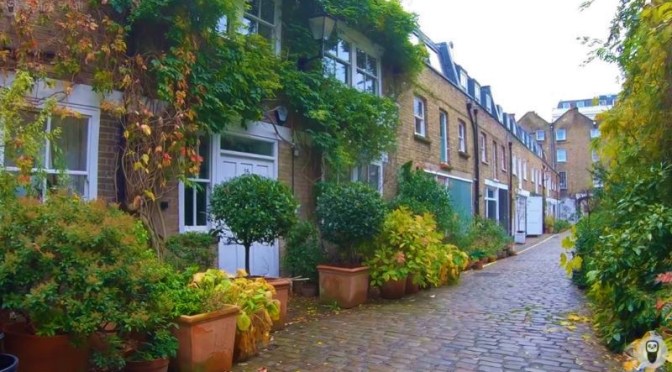
Paddington is home to some of the most beautiful residential properties and serviced apartments in Central London. As such, you can benefit from beautiful tree-lined streets bordered by old Victorian Stucco houses and gorgeous Georgian homes. Furthermore, Paddington is just a stone’s throw away from London best know Royal Park – Hyde Park. Hyde Park is beautifully landscaped and offers plenty of space for fitness enthusiasts and families days out. All Royal Parks in London also allow you to have your dog off the lead in case you’re relocating to the UK with pets.
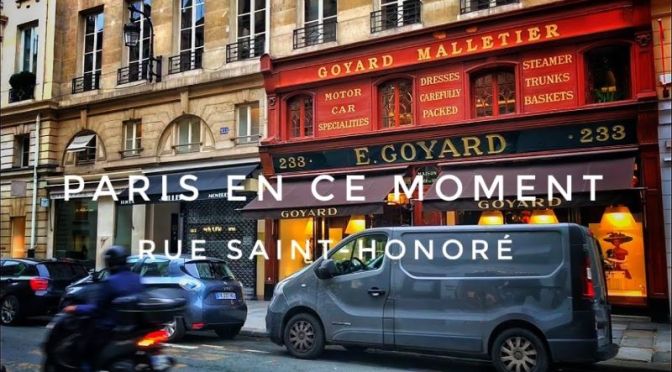
The rue Saint-Honoré is a street in the 1st arrondissement of Paris, France. It is named after the collegial Saint-Honoré church situated in ancient times within the cloisters of Saint-Honoré.
This video filmed during lockdown in Paris on October 31, 2020
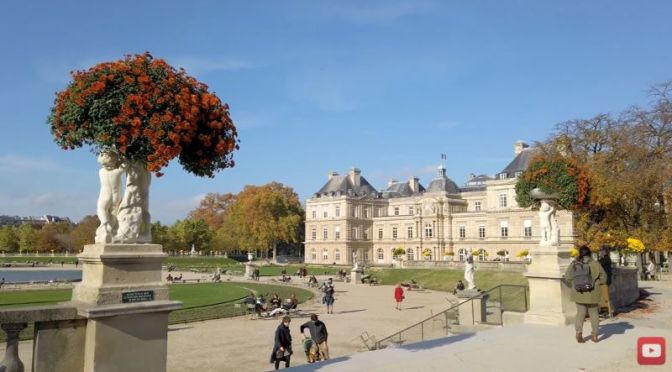
Jardin du Luxembourg – Jardin du Luxembourg The Jardin du Luxembourg, also known in English as the Luxembourg Gardens, is located in the 6th arrondissement of Paris, France. It was created beginning in 1612 by Marie de’ Medici, the widow of King Henry IV of France, for a new residence she constructed, the Luxembourg Palace. The garden today is owned by the French Senate, which meets in the Palace. It covers 23 hectares and is known for its lawns, tree-lined promenades, flowerbeds, model sailboats on its circular basin, and picturesque Medici Fountain, built in 1620. The name Luxembourg comes from the Latin Mons Lucotitius, the name of the hill where the garden is located.
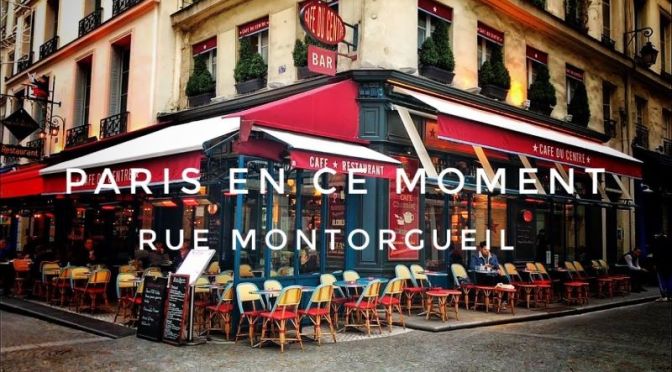
Rue Montorgueil is a street in the 1st arrondissement and 2nd arrondissement of Paris, France. Lined with restaurants, cafés, bakeries, fish stores, cheese shops, wine shops, produce stands and flower shops, rue Montorgueil is a place for Parisians to socialize while doing their daily shopping.
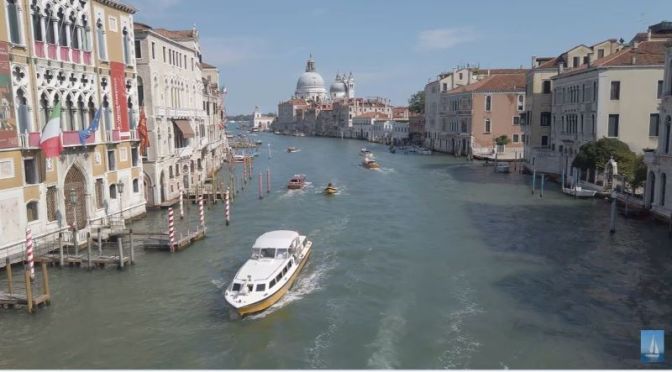
Venice, the capital of northern Italy’s Veneto region, is built on more than 100 small islands in a lagoon in the Adriatic Sea. It has no roads, just canals – including the Grand Canal thoroughfare – lined with Renaissance and Gothic palaces. The central square, Piazza San Marco, contains St. Mark’s Basilica, which is tiled with Byzantine mosaics, and the Campanile bell tower offering views of the city’s red roofs.
The Boulevard Montmartre is one of the four grands boulevards of Paris. It was constructed in 1763. Contrary to what its name may suggest, the road is not situated on the hills of Montmartre. It is the easternmost of the grand boulevards.
News, Views and Reviews For The Intellectually Curious


 Boomers Daily