Fossil fuels still supply about 80% of the world’s power. How can energy be produced and used more sustainably to meet climate targets? We answer your questions. film supported by @Infosys
Timeline: 00:00 – Why energy needs to become more sustainable 00:33 – How much energy should come from renewables? 01:19 – Why isn’t nuclear power used more widely? 02:19 – How can solar power be made more efficient? 03:34 – Will biofuels become widely used? 04:30 – Do electric vehicles make a difference? 05:10 – How heating and air conditioning can be more sustainable
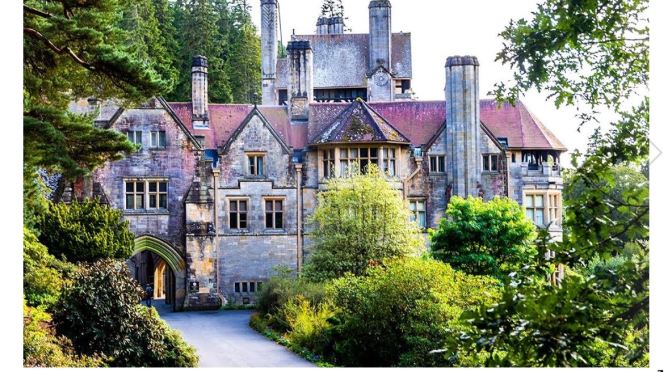
The first house in the world to be lit by hydroelectricity and full of Victorian gadgets and innovations, Cragside in Northumberland has always been at the forefront of modern living.
But now, climate change has started to catch up with this pioneering place. More frequent and intense rainfall is overwhelming the house’s drainage system and beginning to find its way inside of the Arts and Crafts mansion. Most affected is the drawing room with its immense, two-story high, ornately carved marble fireplace.
Rainwater is pushing salts that are in the stonework of the house through to the decorative marble and plasterwork of fireplace inside, causing its surface to deteriorate, meaning urgent work is needed to save this irreplaceable piece of architecture from crumbling away.
A two-stage project is currently underway to stabilise and future-proof the fireplace against climate-change, conserving it for future generations. As conservation work continues, Cragside is once again looking to the future – this time by looking to its past. Originally built by architect Lord Armstrong and his wife Lady Margaret, this pair of innovators created Britain’s original smart home when Cragside became the first house in the world to be illuminated by hydroelectricity, generated by its man-made lakes.
A project in 2014 gave the estate the ability to yield enough energy from water to light the whole house by installing an Archimedes Screw, which works at an angle and allows water to pass between the Tumbleton Lake and the burn below. This converts the power of the water flowing through it into electricity, a never-ending source that now illuminates the whole house and sends excess power back to the National Grid. Watch this video to discover more.
News, Views and Reviews For The Intellectually Curious


 Boomers Daily