Tag Archives: Best Science Books of 2024

Nature Magazine: Best Science Books Of 2024

Nature

Nature Magazine (September 9, 2024): Consider the finches: Books in brief. Andrew Robinson reviews five of the best science picks…

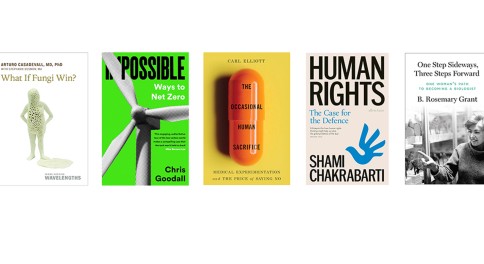
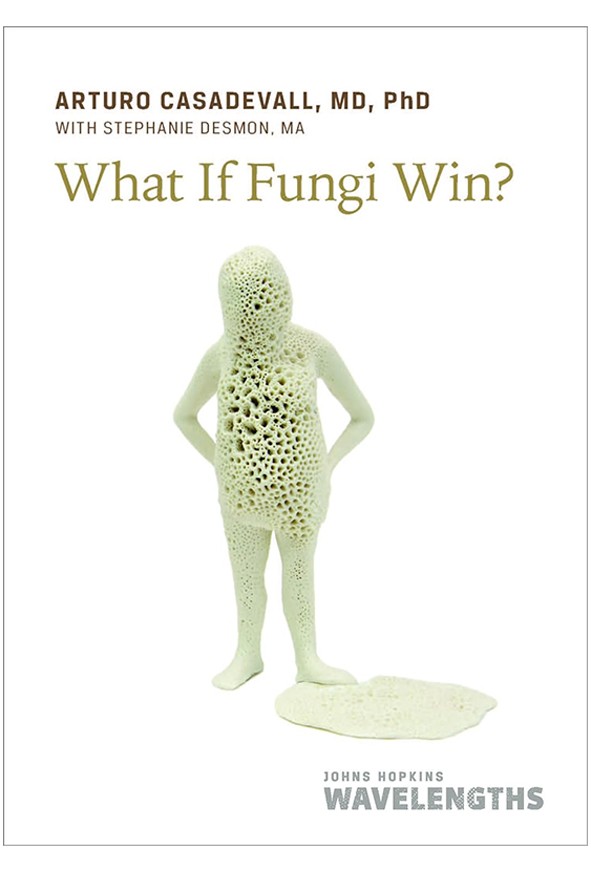
What If Fungi Win?

Arturo Casadevall Johns Hopkins Univ. Press (2024)

Earth’s largest organism, the ‘Humongous Fungus’, thrives under the floor of Malheur National Forest in Oregon. Sprung from a tiny spore 8,000 years ago, it weighs an estimated 31,500 tonnes spread over 10 square kilometres, sucking in nutrients from trees. Fungi are regarded as being more closely related to animals than to plants. “Fungi and humans share nearly 50% of their DNA,” observes epidemiologist Arturo Casadevall, in his brilliant book exploring the properties of fungi that are both fruitful and deadly to humans.

Possible: Ways To Net Zero
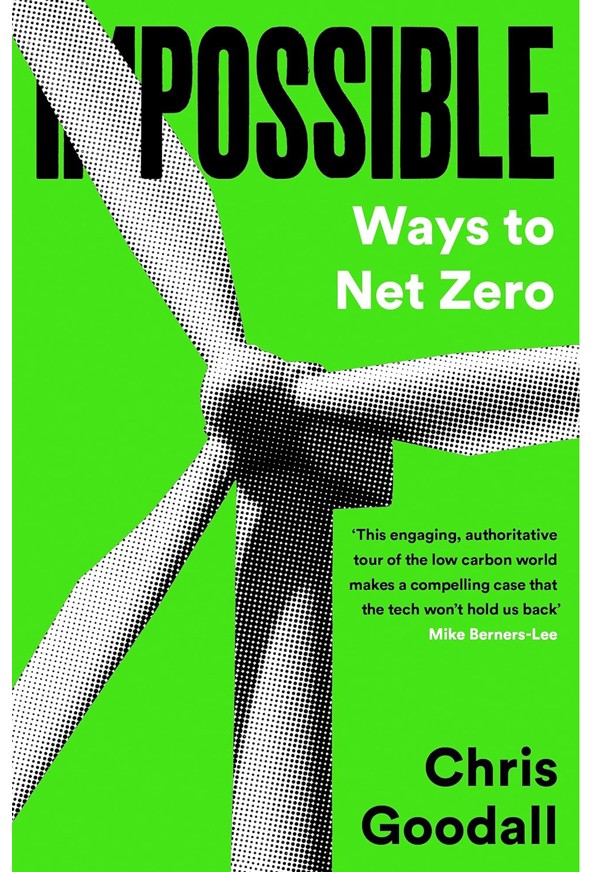
Chris Goodall Profile (2024)

Net-zero carbon emissions by 2050 are the global goal. China leads the world in installing wind- and solar-energy capacity, comments businessperson and environmental writer Chris Goodall, in this realistic but hopeful analysis of the technological and attitudinal challenges that all nations face in achieving net zero. The UK laundry company Oxwash — founded in 2018 by a university student tired of broken washing machines — provides services fuelled by renewable electrical power and gas from anaerobic digesters of farm waste.

Human Rights: The Case For The Defence
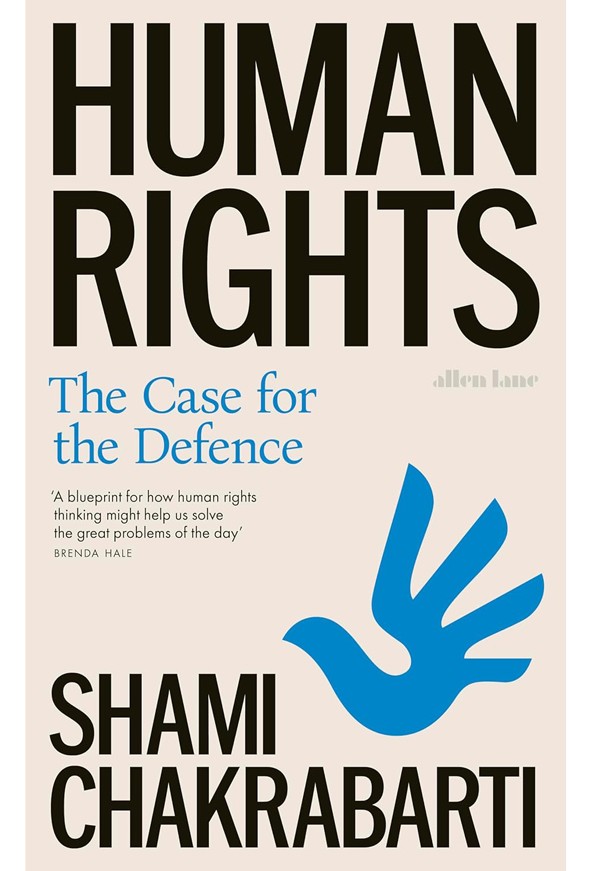
Shami Chakrabarti Allen Lane (2024)

International agreements on fundamental human rights, such as entitlement to a fair trial and free speech, are now under threat in Europe, the United States and elsewhere. Shami Chakrabarti, a human-rights lawyer and former director of the UK National Council for Civil Liberties, considers how to defend these rights. How can “global inequality, conflict, climate catastrophe and the new and under-governed continent of the Internet” be tackled without global values and higher laws, or ways to enforce them?

One Step Sideways, Three Steps Forwards: One Woman’s Path to Becoming A Biologist
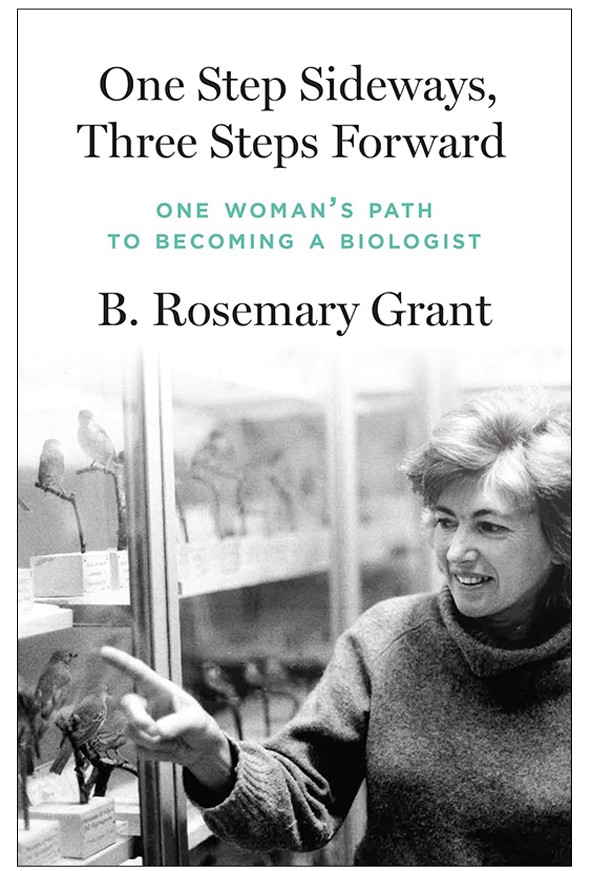
Rosemary Grant Princeton Univ. Press (2024)

A scientific life “requires critical thinking, following exceptions to your pet theory, respect for others and strong ethical values”, concludes evolutionary biologist Rosemary Grant. Her memoir tells of a girl fascinated by birds and fossils, who later formed a celebrated team with her biologist husband Peter. While raising a family, the couple studied Darwin’s finches in the Galapagos Islands, Ecuador, for six months each year from 1973 to 2012. They revealed visible natural selection in a bird’s lifetime — contrary to Charles Darwin’s initial thinking.

The Occasional Human Sacrifice: Medical Experimentation and the Price of Saying No
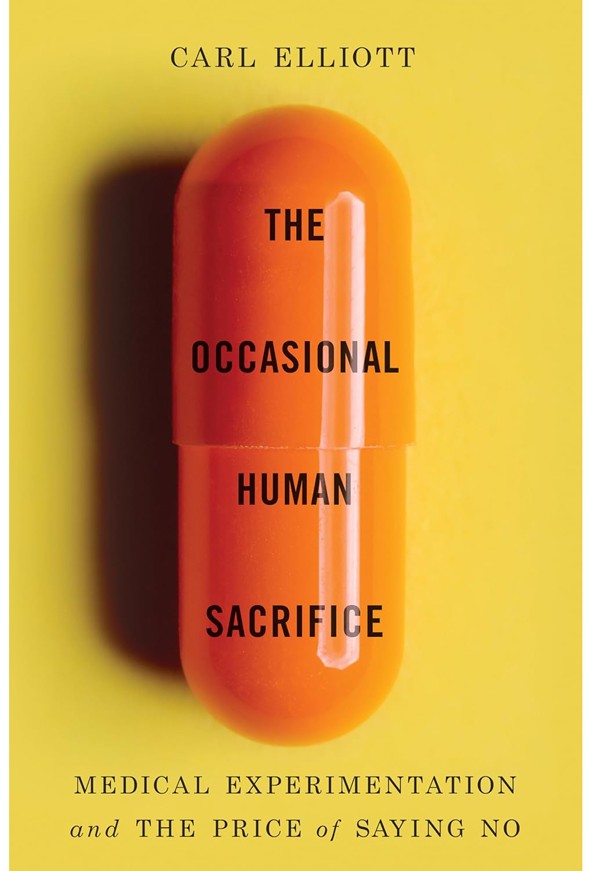
Carl Elliott W. W. Norton (2024)

Bioethicist Carl Elliott’s analysis of medical malpractice begins grippingly: “Let me present my credentials as a coward.” He then lists the times he failed to object to mistreatments as a medical student, followed by his frustrating campaign to publicize a case of suicide at his university in which a psychiatrist enrolled a patient in a dubious drug study. These experiences illuminate six historical cases of “occasional human sacrifice” caused by people’s alleged consent to participate in programmes that they did not comprehend.

Nature 633, 277 (2024)

doi: https://doi.org/10.1038/d41586-024-02918-0

Nature Magazine: Best Science Books Of 2024

Nature Magazine (March 15, 2024):

Verbose robots, and why some people love Bach: Books in Brief

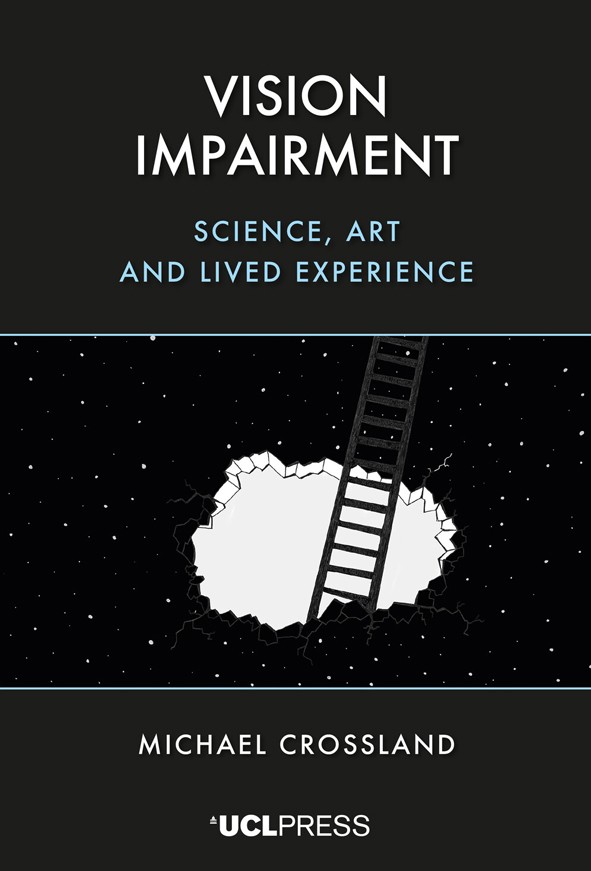
Vision Impairment

Michael Crossland UCL Press (2024)

On a typical day in his clinic, London-based optometrist Michael Crossland assesses both young children and centenarians with low vision. Severe vision impairment affects 350 million people around the world, many of whom in poorer countries lack access to any eye care. His fascinating, sometimes moving, account — mixing ophthalmology with the stories of his patients and many others — reveals that life with vision impairment can be “just as rich and rewarding as life with 20/20 vision”.

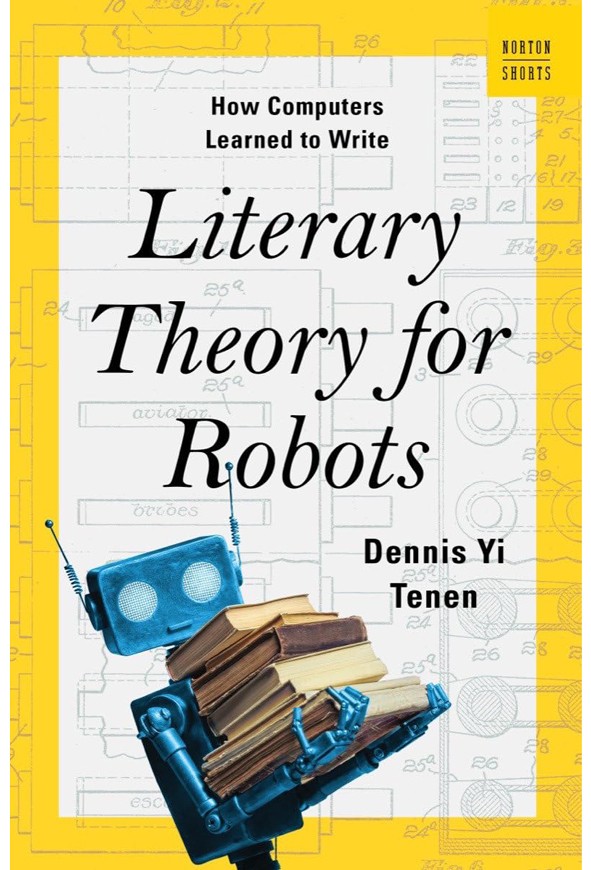
Literary Theory for Robots

Dennis Yi Tenen W. W. Norton (2024)

Artificial intelligence (AI) is rooted in the humanities, argues Dennis Yi Tenen, a comparative-literature professor and former Microsoft engineer. Chatbots are trained using electronic versions of tools such as “dictionaries, style guides, schemas, story plotters [and] thesauruses” that were historically part of the collective activity of writing. Indeed, a statistical model called the Markov chain, crucial to AI, arose from an analysis of vowel distribution in poems by Alexander Pushkin. Tenen’s cogitation is a witty, if challenging, read.

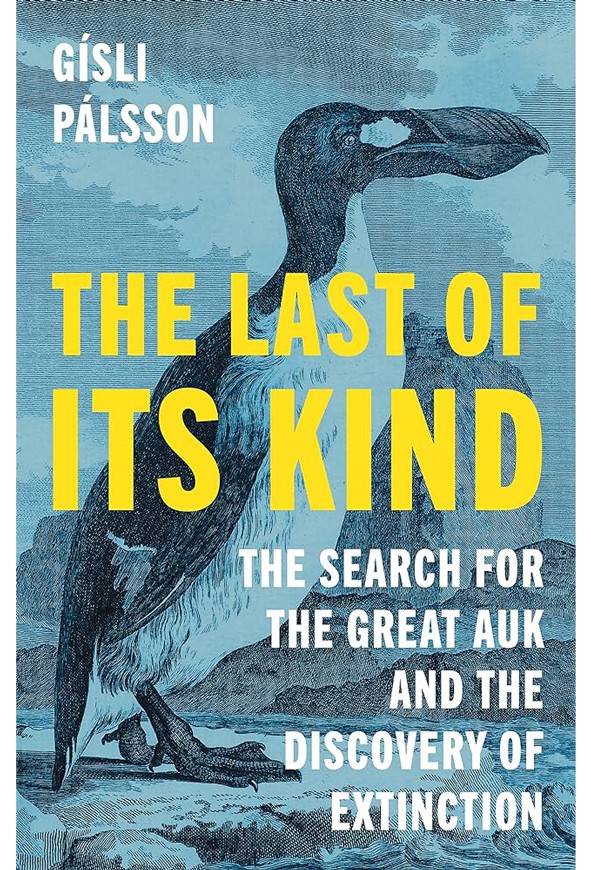
The Last of Its Kind

Gísli Pálsson Princeton Univ. Press (2024)

Living species could never become extinct, thought naturalist Carl Linnaeus. Charles Darwin disagreed, saying extinction was a natural process. Then ornithologists John Wolley and Alfred Newton began studying great auks, flightless birds living on remote islands in the North Atlantic Ocean. They visited Iceland in 1858 to see great auks, but instead met locals who described killing off the birds — revealing how humans could extinguish a species. Anthropologist Gísli Pálsson tells the engaging story of this “key intellectual leap”.

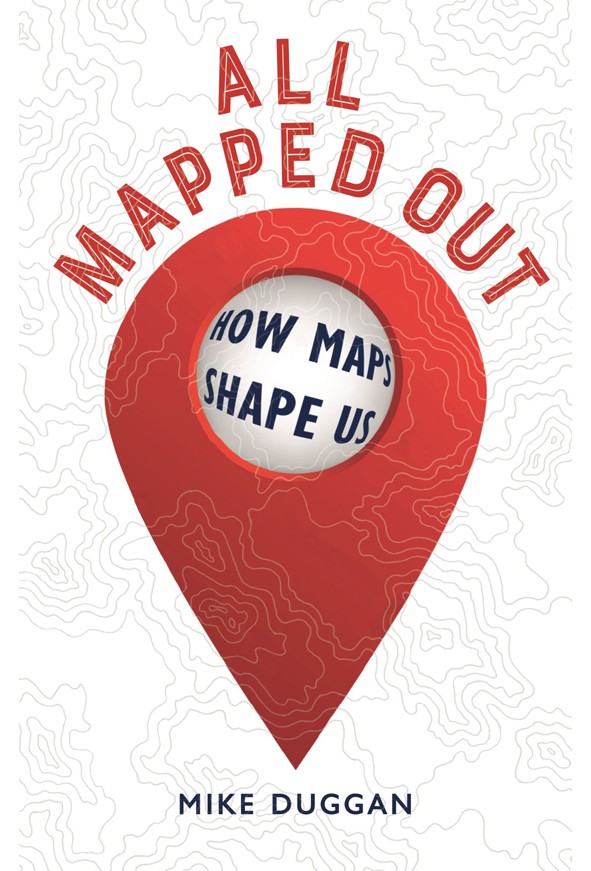
All Mapped Out

Mike Duggan Reaktion (2024)

Cultural geographer Mike Duggan works in partnership with the UK national mapping agency, Ordnance Survey, to study everyday digital-mapping practices. Important as it is, digital mapping is not superseding analogue maps, he observes in his global history of cartography, which begins with Palaeolithic carvings. Sales of Ordnance Survey paper maps are rising, perhaps because of their convenience. “Although digital maps are improving constantly in accuracy and design, they do not always live up to those promises.”

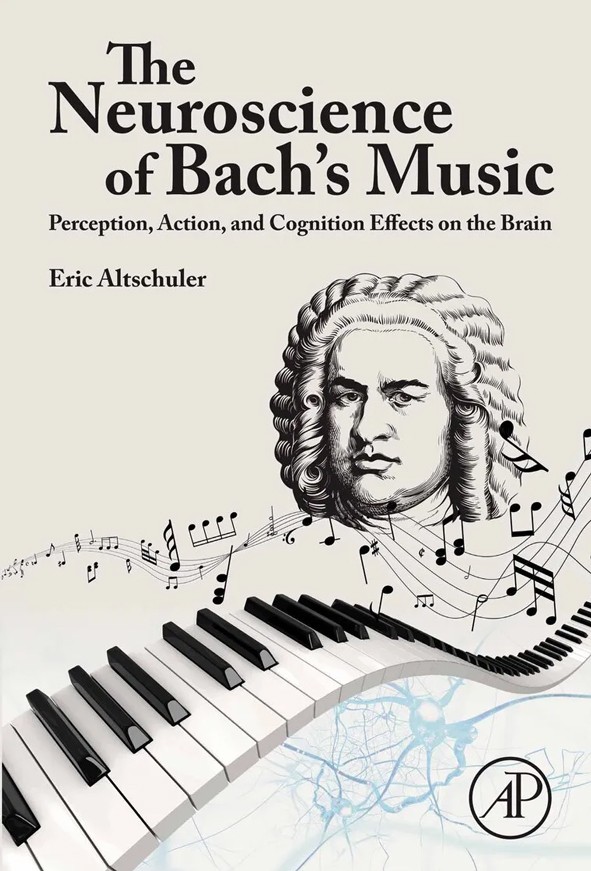
The Neuroscience of Bach’s Music

Eric Altschuler Academic (2024)

Physician and neuroscientist Eric Altschuler regards J. S. Bach as the greatest composer ever, as do many others. Altschuler’s pioneering study — illustrated with numerous musical examples — aims to show how Bach-centred neuroscience “can help us better appreciate perceptual and cognitive affects in Bach” and create better performances of the composer’s work. It also teaches us how music perception is not localized to one region of the brain but occurs throughout it, and varies from person to person.