

From an Aeon.co online article by Bioethicist Joona Räsänen:
 Age change should be allowed when the following three conditions are met. First, the person is at risk of being discriminated against because of age. Second, the person’s body and mind are in better shape than would be expected based on the person’s chronological age (that is, the person is biologically younger than he is chronologically). Third, the person does not feel that his legal age is befitting.
Let’s say that on average you are in better shape than other people of your age. You are more able than them: quicker, sprightlier, livelier. You feel and identify as younger than your official age. However, despite all your youthful energy, you are also discriminated against because of your greater age. You cannot get a job – or, if you do, you might earn less than some of your younger coworkers simply due to your advanced years. The question is, should you be allowed to change your ‘official’ age in order to avoid this discrimination and to better match how you identify and feel?

 Rieder likens his experiences trying to get off prescription pain meds to a game of hot potato. “The patient is the potato,” he says. “Everybody had a reason to send me to somebody else.”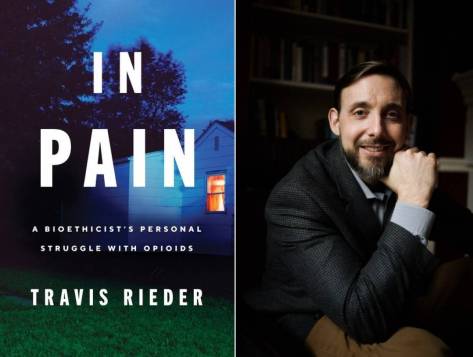
 Boomers Daily